A brain tumor is a mass or growth of abnormal cells in the brain. The brain controls vital functions such as movement, thought, emotions, and speech, so a tumor can disrupt these functions.
Brain tumors can be cancerous (malignant) or noncancerous (benign). Malignant tumors can grow rapidly and invade surrounding brain tissue, while benign tumors tend to grow more slowly and have more defined boundaries. However, even benign tumors can cause serious problems if they put pressure on sensitive areas of the brain.
The rate at which a brain tumor grows varies greatly. The growth rate, as well as the location of the brain tumor, determines how it will affect the function of the nervous system.
Symptoms of brain tumors
The symptoms of a brain tumor vary widely depending on its size, type, and location. Some tumors may not cause noticeable symptoms at first, while others may manifest quickly. It is important to remember that these symptoms can also be caused by other medical conditions. The most common symptoms include:
Headaches:
they can be persistent, intense, and often worse in the morning.
Seizures:
they can be the first sign of a brain tumor.
Changes in personality or behavior:
these include irritability, depression, or difficulty concentrating.
Balance and coordination problems:
difficulty walking or performing fine motor tasks.
Vision problems:
blurred vision, double vision, or loss of peripheral vision.
Speech problems:
difficulty finding the right words or understanding language.
Fatigue:
feeling of persistent tiredness and lack of energy.
Nausea and vomiting:
especially in the morning.
Tingling or numbness.
The severity and presentation of these symptoms can vary significantly from person to person.
Classification of brain tumors
Brain tumors can be classified as benign (noncancerous) or malignant (cancerous). Benign tumors usually grow slowly and do not spread to other parts of the body. Malignant tumors can grow rapidly and spread to other parts of the body. Brain tumors are classified according to several factors, including:
Grade: the grade indicates how quickly the tumor is likely to grow and spread. Tumors are classified into grades I to IV, according to the World Health Organization (WHO) classification:
Grade I: slow-growing tumors, with cells that look almost normal. They are usually benign and can be removed surgically.
Grade II: slow-growing tumors that can invade surrounding tissue or recur after treatment. Some cells have an abnormal appearance.
Grade III: rapidly growing tumors, with abnormal-looking cells. They are likely to invade the surrounding tissue.
Grade IV: rapidly growing and very aggressive tumors, with cells of a very abnormal appearance. They tend to spread to other parts of the brain and are difficult to treat.
Location: the location of the tumor in the brain: primary tumors originate in the brain, while metastatic tumors spread to the brain from other parts of the body.
Brain tumors are also classified according to the type of cell in which they originate. The most common types of brain tumors are:
Gliomas: they originate in glial cells, which are the brain’s support cells. Glioblastoma is the most aggressive glioma.
Meningiomas: they originate in the meninges, the membranes that surround the brain and spinal cord. They are usually benign, but can cause problems if they put pressure on brain tissue.
Pituitary tumors: they develop in the pituitary gland, which controls hormones. They can affect hormone production and cause various symptoms.
Acoustic neuromas: they develop in the vestibulocochlear nerve, which connects the inner ear to the brain. They can cause hearing loss, dizziness, and balance problems.
Brain metastases: these are tumors that have spread to the brain from other parts of the body, such as the lungs, breasts, or skin.
Causes of brain tumors
Most primary brain tumors are due to genetic mutations that occur in brain cells. The cause of these mutations is unknown.
Secondary brain tumors are due to the spread of cancer from other parts of the body. Any type of cancer can spread to the brain, but the most common types of cancer that spread to the brain are lung cancer, breast cancer, skin cancer (melanoma), kidney cancer, and colon cancer.
In most people with primary brain tumors, the cause of the tumor is unknown. But there are some factors that can increase the risk of a brain tumor, including:
Age: the risk of most brain tumors increases with age.
Exposure to radiation: exposure to high doses of radiation, such as those used in cancer treatments, may increase the risk of developing brain tumors.
Family history: having a family history of brain tumors may increase the risk.
Genetic syndromes: certain inherited genetic conditions, such as neurofibromatosis and Li-Fraumeni syndrome, increase the risk of brain tumors.
Exposure to certain chemicals: exposure to certain chemicals in the workplace or in the environment may increase the risk, although the evidence is not conclusive.
Complications of brain tumors
Brain tumors can cause a variety of complications, depending on their location, size, and type. These complications may include:
Seizures: they can be focal or generalized.
Weakness or paralysis: it can affect one side of the body.
Sensory loss: this includes numbness or difficulty feeling touch, pain, or temperature.
Vision and hearing problems.
Difficulty speaking or understanding language.
Memory problems.
Hydrocephalus: accumulation of fluid in the brain, which can increase intracranial pressure.
Hemorrhage: some tumors can bleed, which can cause additional brain damage.
Early diagnosis and treatment can significantly improve the prognosis.
Diagnosis of brain tumors
The diagnosis of a brain tumor usually begins with a neurological examination. During a neurological examination, the doctor will ask you about your symptoms and will examine your vision, hearing, balance, coordination, strength, and reflexes. If the doctor suspects that you may have a brain tumor, they may recommend several tests, including:
Neurological examination: the doctor will assess vision, hearing, balance, coordination, strength, and reflexes.
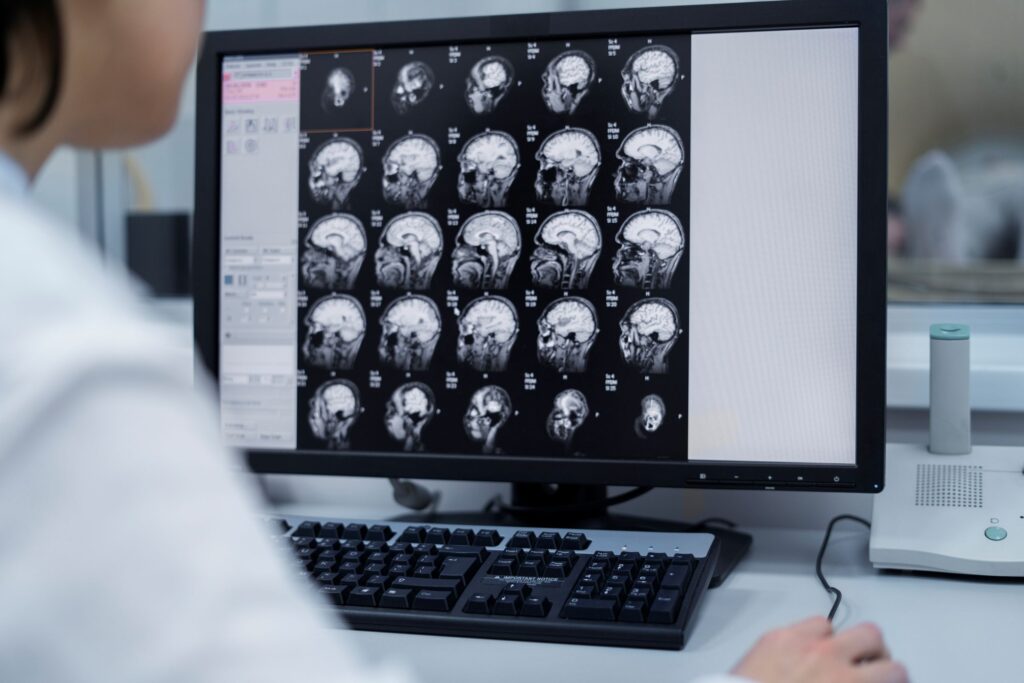
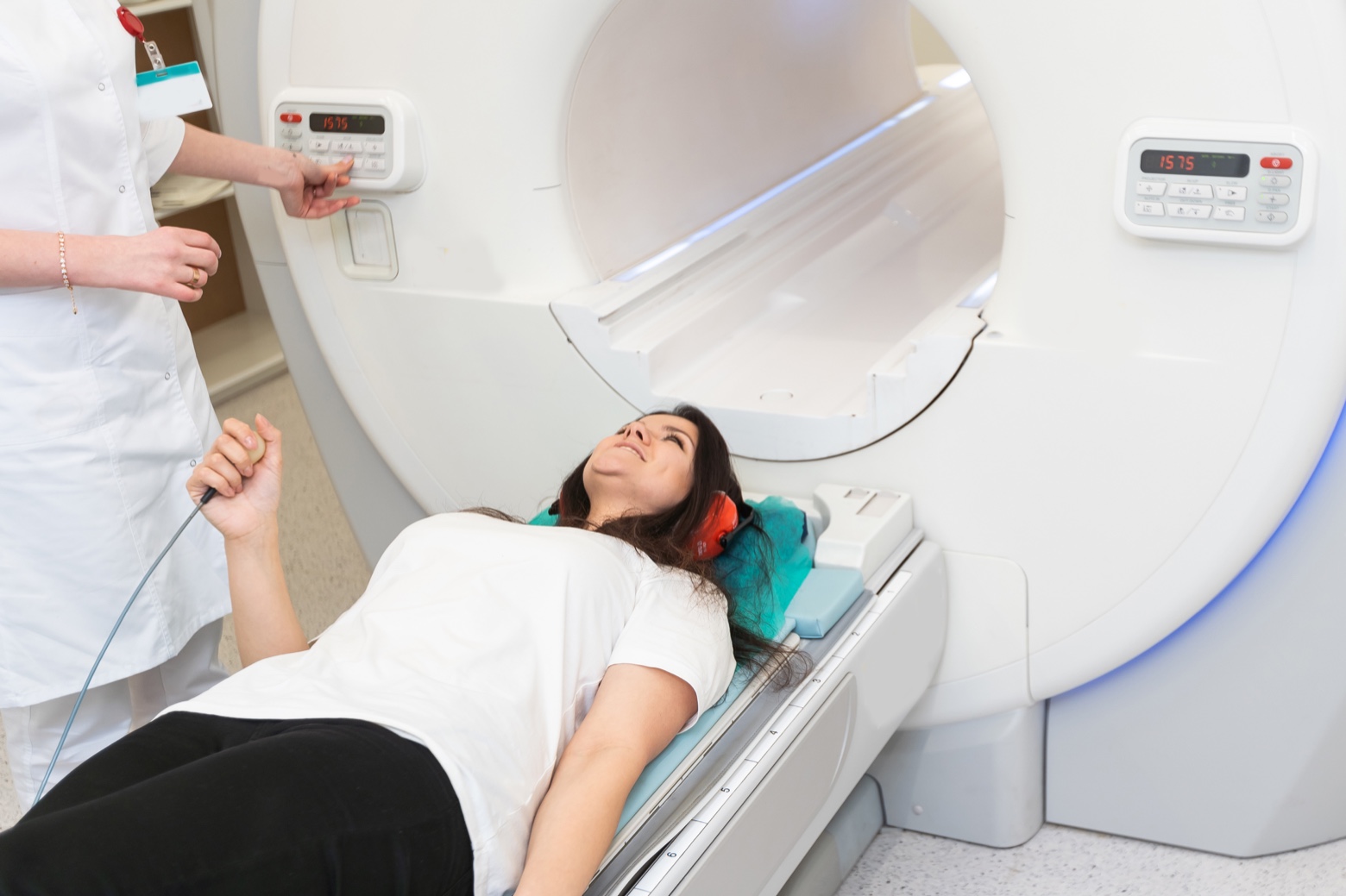
Magnetic Resonance Imaging (MRI): it is the preferred imaging test for diagnosing brain tumors. It can provide detailed images of the brain and help determine the location, size, and type of tumor. MRI is especially useful for detecting small tumors, differentiating between tumor and normal tissue, and evaluating the response to treatment. HM Hospitales provides advanced diagnostic services for brain tumors, including multiparametric magnetic resonance imaging (mpMRI).
Computerized Tomography (CT scan): it can be used if MRI is not available or if a rapid assessment is needed. CT scans are useful for detecting bleeding, calcifications, and bone fractures.
Biopsy: it is the removal of a small sample of tumor tissue for analysis. It can be performed using an image-guided needle (stereotactic biopsy) or during surgery. A biopsy is necessary to confirm the diagnosis, determine the type and grade of the tumor, and guide treatment decisions. Stereotactic biopsy is indicated when the tumor is located in a hard-to-reach area or near vital structures.
Other tests: these may include blood tests, cerebrospinal fluid tests, and genetic testing to help determine the type of tumor and guide treatment. These tests are especially important for diagnosing metastatic tumors and brain lymphomas.
Treatment of brain tumors
Treatment of a brain tumor depends on several factors, including the type, size, location, and grade of the tumor, as well as the person’s overall health. Treatment options may include:
Surgery: it consists of removing as much of the tumor as possible without damaging important brain functions. Surgical techniques may include craniotomy (opening of the skull) or minimally invasive surgery. Surgery is indicated for most primary and metastatic brain tumors that are accessible and not near vital structures.
Radiotherapy: it uses high-energy beams to destroy tumor cells. It may be used after surgery to eliminate any remaining tumor cells or as the primary treatment if surgery is not possible. Radiotherapy is indicated for tumors that cannot be completely removed by surgery, rapidly growing tumors, and tumors that have spread to other parts of the brain. At HM Hospitales we use some state-of-the-art systems for maximum precision, optimization of treatment time and to treat multiple lesions at once.
Chemotherapy: it uses medications to destroy tumor cells. It can be administered intravenously or orally. Chemotherapy is indicated for certain types of brain tumors, such as high-grade gliomas and brain lymphomas.
Targeted therapies: they use medications that specifically target tumor cells without damaging healthy cells. Targeted therapies are indicated for tumors that have certain genetic mutations.
Immunotherapy: it helps the immune system fight cancer. Immunotherapy is indicated for certain types of brain tumors, such as glioblastomas that have certain genetic characteristics.
Palliative care: it is focused on relieving symptoms and improving quality of life. Palliative care is indicated for people with advanced brain tumors or who do not respond to other treatments.
Treatment of brain tumors often requires a multidisciplinary approach involving neurosurgeons, oncologists, radiation oncologists, neurologists, and other specialists. At HM Hospitales, our team of specialists works together to develop a treatment plan tailored to their individual needs.
Remember that this article is for informational purposes only and does not replace professional medical advice. If you suspect that you have a brain tumor, consult a specialist to obtain an accurate diagnosis and a treatment plan tailored to your needs. un fin informativo y no sustituye la valoración médica profesional. Si sospechas que tienes tumores cerebrales, consulta con un especialista para obtener un diagnóstico preciso y un plan de tratamiento adecuado a tus necesidades.
Our doctors
Contact and make an appointment with the professionals in this area