Ataxia is defined as the loss of muscle coordination, which affects balance, gait, speech, and eye movements. It makes it difficult to perform daily activities, from walking to writing. Imagine trying to touch your nose with your finger, but failing repeatedly: this is the difficulty experienced by those who suffer from ataxia.
Symptoms of ataxia
The symptoms of ataxia can be very diverse, and their intensity varies from person to person. Some experience mild symptoms, while others may have significant difficulty performing everyday tasks. The following are some of the most common symptoms:
Lack of balance:
instability is a common symptom, which can manifest as difficulty standing, walking in a straight line, or turning without wobbling.
Unsteady gait (gait ataxia):
the gait may appear unsteady, staggering, or similar to that of a drunk person. People with ataxia may have difficulty initiating or stopping movement, as well as maintaining balance while walking.
Difficulty speaking (dysarthria):
speech may be slow, slurred, or unclear. People with ataxia may have difficulty articulating words or controlling the volume and pitch of their voice.
Tremors when performing precise movements (intention tremor):
tremors worsen when attempting to perform precise movements, such as touching the nose with a finger or buttoning a shirt.
Problems with eye movements (nystagmus):
eyes may move involuntarily, rapidly, and repetitively, which can affect vision and balance.
Classification of ataxia
Ataxia is classified based on its cause, age of onset, and specific symptoms. This classification helps doctors to better understand the type of ataxia and determine the best course of treatment. The main categories are:
Acquired ataxias: caused by external factors such as injuries, infections, or diseases.
Hereditary ataxias: caused by genetic mutations that are passed from parents to children. Within this group is Friedreich’s ataxia, one of the most common hereditary ataxias.
Sporadic ataxias: of unknown cause.
Within these categories, there are different types of ataxia, such as cerebellar ataxia (which affects the cerebellum), sensory ataxia (which affects the sensory nerves), and vestibular ataxia (which affects the vestibular system of the inner ear).
Causes of ataxia
Understanding the cause of ataxia is crucial for effective treatment. The causes can be diverse and range from brain injuries to genetic diseases:
Cerebellar damage: the cerebellum is the part of the brain responsible for coordinating movement. Damage to this area, caused by a stroke (interruption of blood flow to the brain), head trauma, multiple sclerosis (an autoimmune disease that affects the brain and spinal cord), or tumors, can cause ataxia.
Genetic disorders: some ataxias, such as Friedreich’s ataxia, are caused by genetic mutations that are inherited from the parents.
Vitamin deficiencies such as vitamin E or B12 can cause ataxia.
Exposure to toxins: alcohol, certain medications, or heavy metals can damage the nervous system and cause ataxia.
Autoimmune diseases.
Infections: certain infections, such as chickenpox or Lyme disease, can cause ataxia.
Risk factors for developing ataxia vary depending on the underlying cause. Some common risk factors include:
Family history of ataxia.
Excessive alcohol consumption.
Certain autoimmune diseases.
Exposure to toxins such as heavy metals or certain medications increases the risk.
Complications of ataxia
Ataxia can have various complications that affect the patient’s quality of life. It is important to seek medical attention if ataxia is suspected in order to minimize these complications:
Frequent falls: poor balance and an unsteady gait increase the risk of falls, which can lead to injuries.
Difficulty eating and swallowing (dysphagia): ataxia can affect the muscles involved in swallowing, making eating difficult and increasing the risk of choking or aspiration pneumonia.
Respiratory problems: ataxia can affect the respiratory muscles, making breathing difficult, especially during sleep.
Cognitive impairment: some forms of ataxia may be associated with cognitive impairment, affecting memory, attention, and reasoning ability.
Diagnosis of ataxia
The diagnosis of ataxia is a complex process that requires a thorough evaluation by a neurologist. Various tests and procedures are used to determine the underlying cause and severity of ataxia:
Comprehensive neurological evaluation: the neurologist will perform a complete physical examination, including tests of balance, coordination, gait, speech, and eye movements. They will also assess cranial nerve function and sensation.
Imaging tests: magnetic resonance imaging (MRI) of the brain can help identify structural abnormalities in the cerebellum, brainstem, or other parts of the brain that may be causing ataxia. MRI uses magnetic fields and radio waves to create detailed images of the brain.
Genetic testing: if hereditary ataxia is suspected, genetic testing can be performed to identify specific mutations in genes associated with ataxia. These tests involve a blood or saliva analysis.
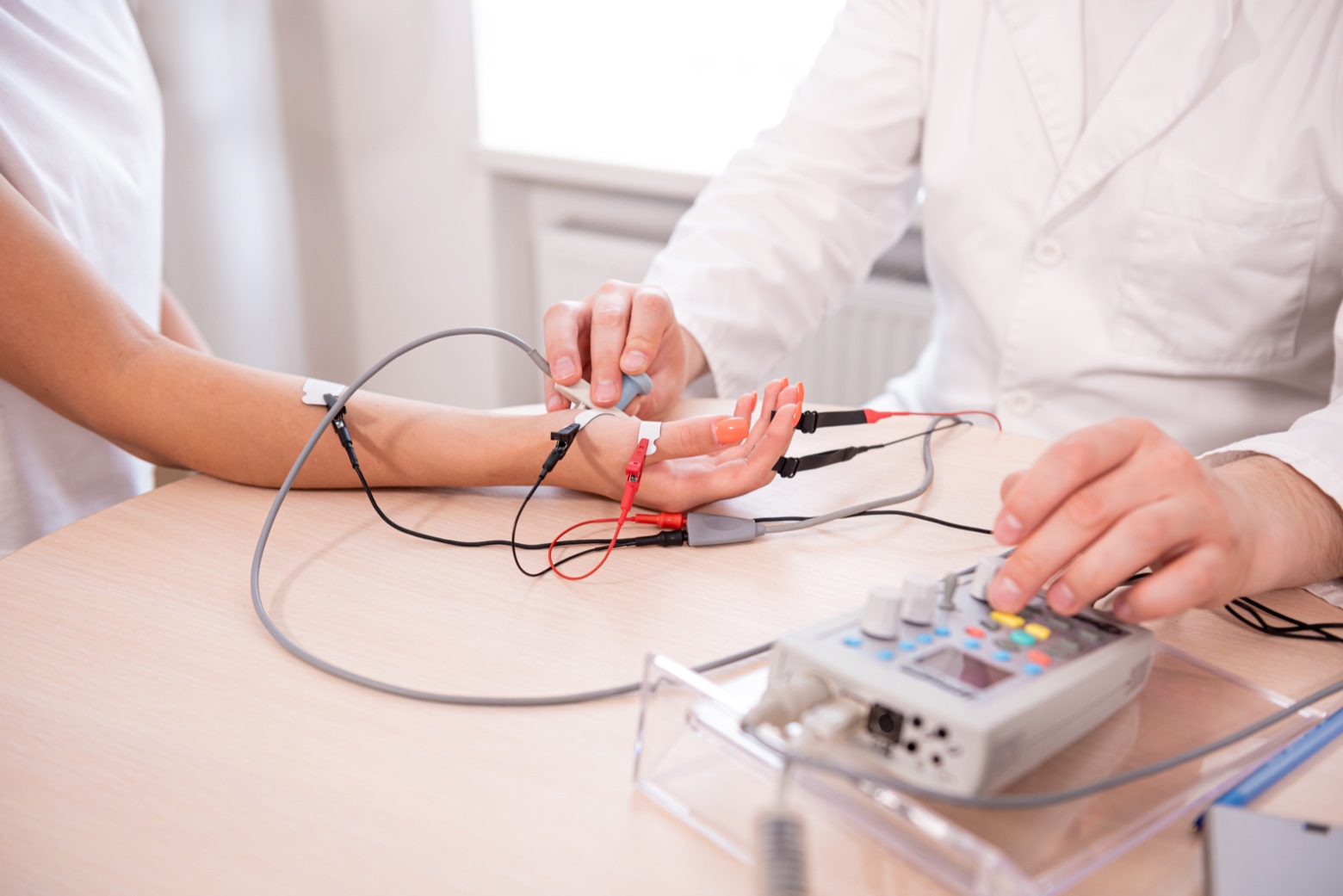
Nerve conduction studies and electromyography (EMG): they evaluate the function of the nerves and muscles. Nerve conduction studies measure the speed and strength of electrical signals traveling through the nerves. EMG measures the electrical activity of muscles.
Blood tests: they can help identify vitamin deficiencies, exposure to toxins, infections, or other medical conditions that may be causing ataxia.
Lumbar puncture: in some cases, a lumbar puncture may be performed to analyze the cerebrospinal fluid (CSF), which surrounds the brain and spinal cord. CSF analysis can help identify infections, inflammation, or other conditions that may be causing ataxia.
Treatments for ataxia
Treatment for ataxia focuses on addressing the underlying cause and managing symptoms. There is no cure for most ataxias, but treatment can help improve the patient’s quality of life:
Physiotherapy: it is essential for improving balance, coordination, muscle strength, and gait. Physical therapists can teach specific exercises and techniques to help patients compensate for loss of coordination. At HM Hospitales we have a physiotherapy service where personalized exercise programs are designed.
Occupational therapy: it helps patients adapt their daily activities and environment to facilitate everyday tasks, such as dressing, eating, and bathing. Occupational therapists may recommend assistive devices, such as canes, walkers, or wheelchairs, to improve mobility and independence.
Medications: some medications can help control specific symptoms of ataxia, such as tremors, spasticity, or depression. The specific medications used will depend on the cause and symptoms of the ataxia.
Surgery: in some cases, surgery may be necessary to correct structural problems that contribute to ataxia, such as hydrocephalus (accumulation of fluid in the brain) or cerebellar tumors.
Treatment of the underlying cause: if ataxia is caused by an underlying medical condition, such as a vitamin deficiency, an infection, or an autoimmune disease, treating that condition may help improve the symptoms of ataxia.
Nutritional and speech support: patients with ataxia may have difficulty eating and swallowing, so they may need nutritional support, such as modified diets or tube feeding. Speech therapy can help improve communication and swallowing.
At HM Hospitales, we offer treatments tailored to the individual needs of each patient. A multidisciplinary approach, involving neurologists, physical therapists, occupational therapists, speech therapists, nutritionists, and other specialists, is often the most effective for managing ataxia.
Remember that this article is for informational purposes only and does not replace professional medical advice. If you suspect you have ataxia, consult a specialist to obtain an accurate diagnosis and an appropriate treatment plan tailored to your needs.
Our doctors
Contact and make an appointment with the professionals in this area