DOPA PET Scan
What is a DOPA PET scan?
An 18F-DOPA PET scan is an advanced medical imaging technique that uses a
radiopharmaceutical called fluorodopa (18F-DOPA) to assess metabolic activity
in specific tissues of the body. This study is especially useful for
diagnosing and monitoring neurological diseases and certain kinds of
neuroendocrine tumors.
What is this procedure for?
18F-DOPA PET scans are primarily used in:
- Neurology: it is used for the diagnosis of neurodegenerative diseases such as Parkinson’s disease and to evaluate movement disorders related to the dopaminergic system.
- Oncology: it is used to diagnose and locate neuroendocrine tumors, evaluate pheochromocytomas, gangliomas and other tumors derived from chromaffin cells, as well as to monitor metastases of neuroendocrine tumors.
- Endocrinology: it is useful for studying congenital hyperinsulinism in children.
Benefits of advanced technology in 18F-DOPA PET scans
18F-DOPA is an analog of dopamine, a key neurotransmitter in the
central nervous system. When administered intravenously, the radiopharmaceutical
accumulates in areas where there is dopamine-related metabolic activity or in tissues with high uptake, such as neuroendocrine tumors. The PET scanner
detects the radiation emitted by 18F-DOPA and generates three-dimensional images
that show the areas of greatest uptake.
What does the procedure involve?
The 18F-DOPA PET scan procedure involves:
-
Preparation:
Before the exam, you will need to fast for at least 6 hours to ensure that blood glucose levels are low and do not interfere with the uptake of the radiopharmaceutical. It is also recommended to drink water before the study. Inform your doctor about any medication you are taking, especially those that may interfere with the metabolism
of dopamine. If you are pregnant or breastfeeding, make sure to tell your doctor. In addition, we suggest you wear comfortable clothing without any metal components. -
During the procedure:
During the procedure, you will be given 18F-DOPA intravenously.
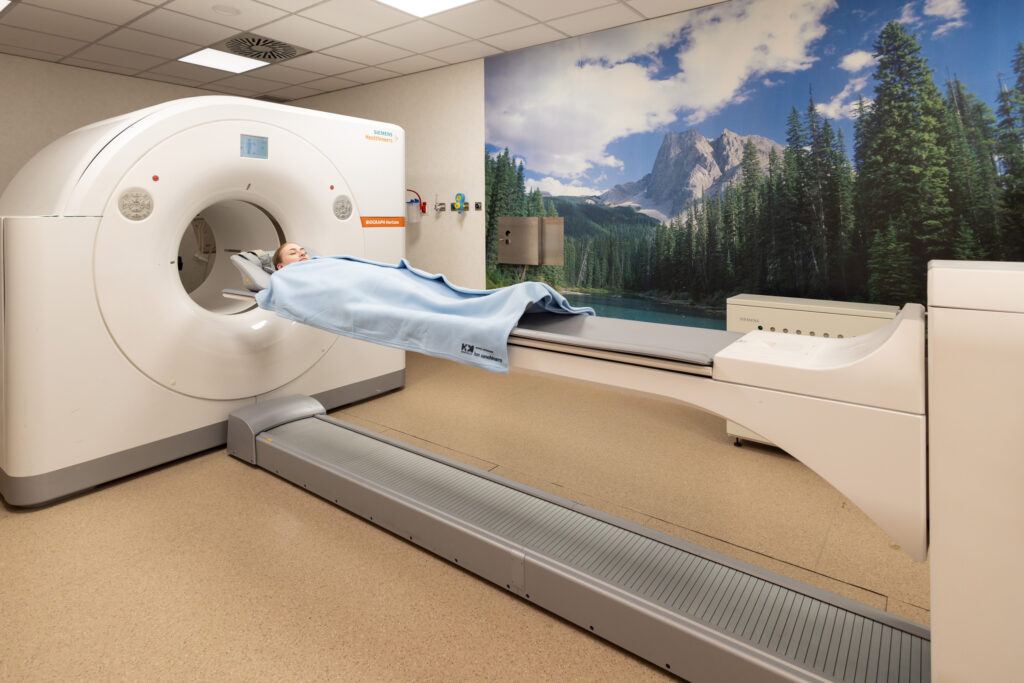
After the injection, you should remain at rest for about 30–60 minutes to allow the radiopharmaceutical to distribute throughout your body. Next, you will be asked to lie down on the PET scanner table while the images are taken. It is important that you remain still during the procedure to ensure the quality of the images. The entire procedure, including preparation and imaging, will take approximately 2 hours. -
After the procedure:
After the procedure, you can resume your normal activities, unless your doctor tells you otherwise. You are advised to drink plenty of water to help eliminate the radiopharmaceutical from your body. The results of the 18F-DOPA PET will be reviewed by a specialist radiologist and sent to your doctor, who will explain the findings and suggest the
appropriate treatment, if necessary.
Recommendations for the procedure
Consult your doctor if you need to stop any medication before the scan. During the procedure, it is very important that you remain as still as possible to ensure the accuracy of the images. Make sure you follow all your doctor’s instructions before, during, and after the procedure.
Are there any risks?
The 18F-DOPA PET scan is a safe procedure, but there are some minor risks:
- Exposure to radiation: 18F-DOPA emits a small amount of radiation, but the dose is low and is considered safe.
- Allergic reactions (rare): in exceptional cases, allergic reactions to the radiopharmaceutical may occur.
- Mild discomfort: you may experience discomfort at the injection site.
To ensure your procedure runs smoothly, we ask that you arrive before the scheduled time. This will allow us to complete the necessary administrative and clinical preparation.
Before the procedure, we will give you the Informed Consent form, a document with important information that you must read and sign.
If your appointment is for an MRI, it is crucial that you inform us about the presence of pacemakers, metallic objects, prostheses (including dental prostheses), tattoos, or drug infusion devices such as insulin pumps.
These diagnostic tests are very safe, but as with any medical procedure, there is still the unlikely possibility of an incident.