Cell Therapy (CAR-T, TILs)
What is cell therapy?
Cell therapy is an innovative treatment that uses the patient’s own immune cells to fight cancer. Among the most advanced modalities are therapies with CAR-T cells (genetically modified T cells) and TILs (tumor-infiltrating lymphocytes). These techniques aim to enhance the immune system to identify and destroy cancer cells effectively.
What is the purpose of this procedure?
Cell therapy is primarily used in:
- Hematological cancer treatment: leukemia, lymphomas, and multiple myeloma (especially with CAR-T).
- Solid tumors: melanoma and other tumors where TILs have shown effectiveness.
- Patients resistant to conventional treatments: It offers options for patients who do not respond to standard chemotherapy, radiotherapy, or immunotherapy.
- Personalized therapy: It is used to adapt the treatment to the molecular and genetic profile of the patient’s tumor.
Benefits of the latest technology in robotic cancer surgery
The procedure combines advanced biotechnology techniques and personalized medicine. Both therapies use the patient’s own immune cells, which are processed in the laboratory to improve their ability to attack cancer. This approach seeks to overcome the evasion mechanisms that tumor cells develop against the immune system.
What does the procedure involve?
Cell therapy involves:
-
Preparation:
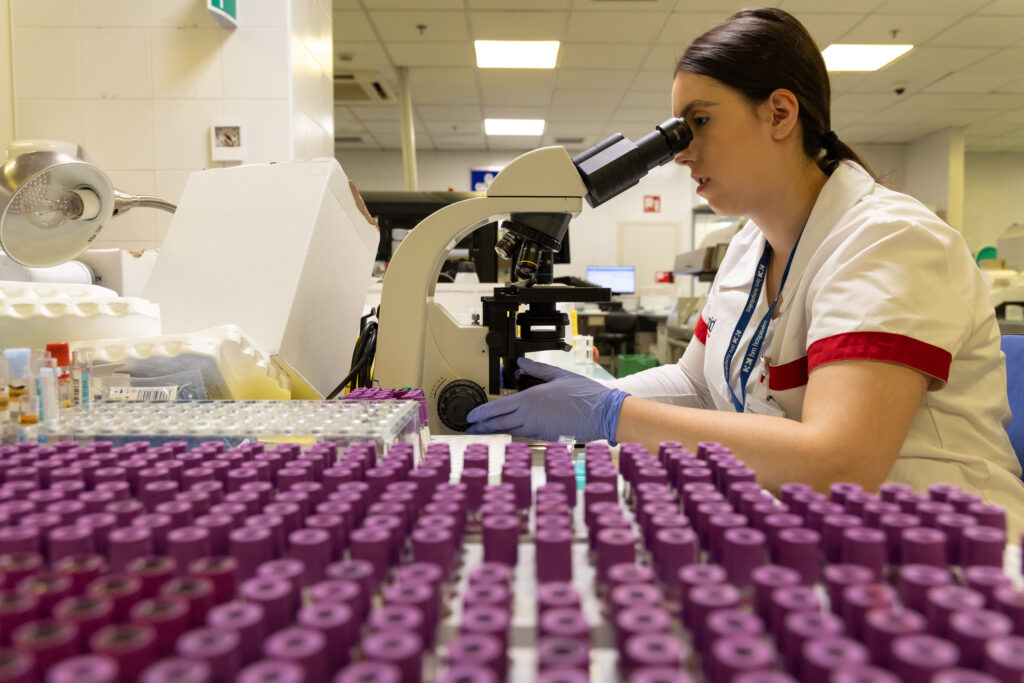
During the initial consultation, your oncologist will review your medical history and analyze the results of previous tests, such as biopsies, genetic studies or molecular analysis. Next, a blood or tumor tissue sample will be taken to obtain the necessary immune cells. These cells will be processed in the laboratory to increase their quantity or modify their function, as we also see in CAR-T treatments.
-
During the procedure:
The cells treated in the laboratory will be reintroduced into your body via an intravenous infusion. During each session, your medical team will monitor any possible side effects and assess how you are responding to the treatment. The process duration varies depending on the type of cell therapy and your progress, but it generally takes several weeks between extraction, processing, and administration.
-
After the procedure:
You will be monitored regularly to assess how you respond and to detect any possible side effects. You will undergo regular tests, such as blood tests, imaging studies, and biopsies to measure the cell therapy’s effectiveness. Next, your oncologist will review the results, who will adjust your treatment plan if necessary.
Recommendations for the procedure
It is essential to inform your medical team if you have allergies to any medications or to any material used during treatment. You must also follow all instructions carefully before, during and after the procedure to guarantee your well-being and the efficacy of the treatment. If you experience symptoms such as fever, nausea, extreme fatigue, or difficulty breathing, inform your doctor immediately.
Are there any risks?
Cell therapy is safe and effective, but it can have side effects related to the activation of the immune system:
- Cytokine release syndrome: There is a possibility of an exaggerated reaction of the immune system that can cause fever, low blood pressure, and difficulty breathing.
- Neurotoxicity: In some cases, confusion, dizziness, or temporary seizures may occur.
- Fatigue: You may experience a feeling of extreme tiredness during treatment.
- Inflammation of organs: In rare cases, the immune system can attack healthy tissues, causing inflammation in organs such as the lungs, liver, or intestines.
To ensure your procedure runs smoothly, we ask that you arrive before the scheduled time. This will allow us to complete the necessary administrative and clinical preparation.
Before the procedure, we will give you the Informed Consent form, a document with important information that you must read and sign.
If your appointment is for an MRI, it is crucial that you inform us about the presence of pacemakers, metallic objects, prostheses (including dental prostheses), tattoos, or drug infusion devices such as insulin pumps.
These diagnostic tests are very safe, but as with any medical procedure, there is still the unlikely possibility of an incident.