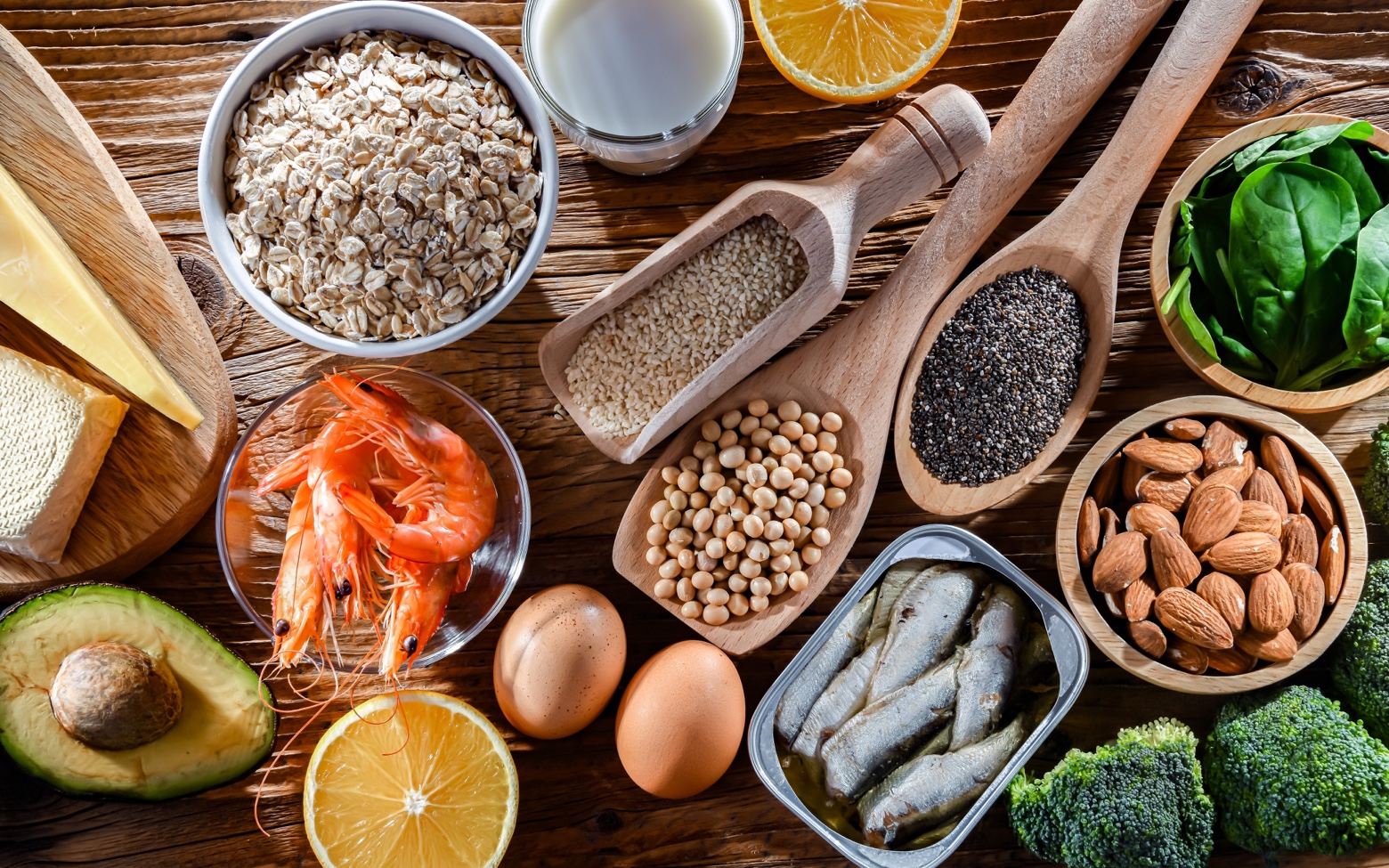
Diabetes is one of the most common chronic diseases today, and its proper management is key to a healthy life.
In this article, we explain this condition and how certain foods can help you control your blood sugar levels. With the proper diet, you can take an active role in managing your health.
What is Diabetes?
Diabetes is a metabolic disease characterised by high levels of glucose in the blood. This occurs when the body does not produce enough insulin or cannot use it effectively. Insulin is a hormone that allows glucose from food to enter cells and provide energy. However, in type 2 diabetes, this process does not work correctly, leading to elevated blood sugar levels.
Types of Diabetes
There are several types of diabetes. Below, we explain the main ones:
- Type 1 Diabetes: In this case, the body does not produce insulin, the hormone responsible for regulating blood glucose levels. It is an autoimmune disease that usually develops in childhood or adolescence.
- Type 2 Diabetes: The body does not produce enough insulin or cannot use it properly. It is the most common type and is often linked to lifestyle, making it more likely to develop in adulthood.
- Gestational Diabetes: Occurs during pregnancy and usually disappears after childbirth. However, it increases the mother’s risk of developing type 2 diabetes later in life, so careful monitoring is essential.
Specific Characteristics of Type 2 Diabetes
Type 2 diabetes has the following characteristics:
1. Insulin Resistance: The body’s cells do not respond effectively to insulin, leading to elevated blood glucose levels.
2. Gradual Development: Symptoms of type 2 diabetes often appear gradually over the years, meaning many people are unaware they have it until complications arise.
3. Risk Factors: Certain factors increase the likelihood of developing type 2 diabetes, including:
- Overweight or obesity
- Sedentary lifestyle
- Family history of diabetes
- Advanced age
- Unhealthy eating habits
The Importance of Glycaemic Control
Maintaining proper blood sugar levels is crucial to avoiding complications associated with diabetes. Reasonable glycaemic control can help prevent the following issues:
- Cardiovascular Problems: Diabetes increases the risk of heart disease and stroke.
- Kidney Damage: Prolonged high blood sugar can affect the kidneys and lead to kidney failure.
- Vision Problems: High glucose levels can damage the blood vessels in the eyes, increasing the risk of diabetic retinopathy and blindness.
- Nerve Damage: Diabetes can affect the nerves, causing pain, tingling, and loss of sensation, particularly in the extremities (diabetic foot).
- Slow Healing: People with diabetes may experience slow wound healing, increasing the risk of infections.
The Role of Diet in Managing Type 2 Diabetes
Diet is one of the cornerstones of type 2 diabetes treatment. A healthy and balanced diet can help you:
- Maintain stable blood sugar levels
- Control body weight
- Prevent complications
- Reduce the need for medication
- Improve the quality of life
Basic Principles of a Diabetic Diet
The diet for type 2 diabetics is based on the following fundamental principles:
1. Carbohydrate Control:
- Opt for complex carbohydrates with a low glycemic index.
- Distribute carbohydrates throughout the day to avoid blood sugar spikes.
- Control portion sizes to better manage sugar levels.
- Always pair carbohydrates with protein and healthy fats.
2. Inclusion of Fibre:
- Fibre helps slow the absorption of sugars.
- Improves glycaemic control.
- Promotes satiety.
3. Lean Proteins:
- Lean proteins in foods like chicken, fish, and legumes provide satiety.
- They do not directly affect blood sugar levels.
- It helps preserve muscle mass, essential for energy storage and an active metabolism.
4. Healthy Fats:
- Healthy fats aid in vitamin absorption and provide long-term energy.
- They can also help control appetite and reduce the risk of cardiovascular disease, which is essential for people with diabetes.
Diet plays a crucial role in managing type 2 diabetes. Planning your meals can help you achieve better glycemic control and reduce the risk of long-term complications.
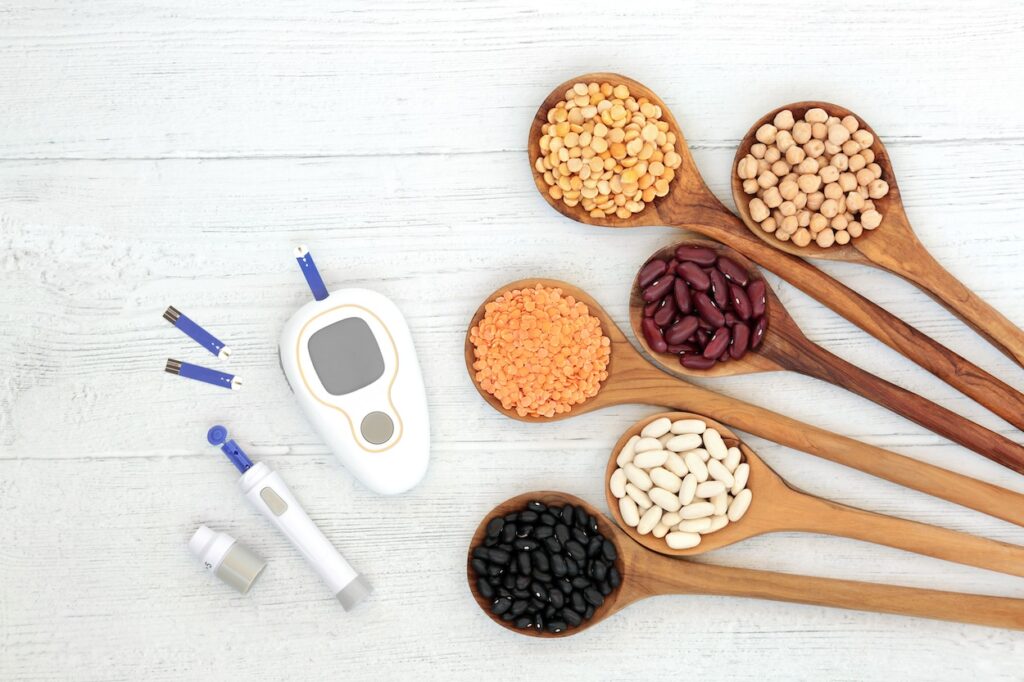
Recommended Foods for Type 2 Diabetics
For people with type 2 diabetes, a balanced diet is essential for controlling blood sugar levels. Below is a list of foods that can help you maintain a healthy diet.
1. Non-Starchy Vegetables: Non-starchy vegetables are low in carbohydrates and fibre, helping stabilise blood sugar levels. Aim for at least three servings daily. Recommended options include:
- Spinach, broccoli, tomatoes
- Cucumbers, peppers, aubergines
- Lettuce, Swiss chard, asparagus
- Courgettes, cauliflower, green beans
2. Lean Proteins: Lean proteins can help maintain satiety without raising blood sugar levels. Include them in every main meal. Ideal sources include:
- Skinless chicken and turkey
- White and oily fish
- Egg whites
- Legumes
- Tofu and tempeh (plant-based alternatives)
3. Healthy Fats: Healthy fats, in moderation, can improve blood sugar control and support heart health. Include them in each meal.Recommended options include:
- Avocado
- Extra virgin olive oil
- Unsalted nuts (almonds, walnuts)
- Seeds (chia, flax, pumpkin)
4. Complex Carbohydrates: Complex carbohydrates are digested more slowly, preventing blood sugar spikes. Consume them in controlled portions at each meal. Options include:
- Quinoa
- Whole oats
- Brown rice
- 100% whole grain bread
Foods to Avoid for Type 2 Diabetes
If you have type 2 diabetes, it is essential to avoid or limit certain foods to keep your blood sugar levels under control and protect your health. Below, we explain which foods to avoid:
1. Refined Sugars: Refined sugar can quickly raise blood sugar levels, which is counterproductive for diabetes management. Limit or avoid:
- Sweets and candies
- Sugary soft drinks
- Cakes and pastries
- Commercial ice cream
- Packaged fruit juices
2. Simple Carbohydrates: Simple carbohydrates like those found in white flour products are digested quickly and cause blood sugar spikes. Avoid:
- White bread
- White rice
- Refined pasta
- Sugary cereals
- Biscuits
- Industrial pastries
3. Saturated and Trans Fats: Saturated and trans fats can negatively affect cardiovascular health. Limit or avoid:
- Fatty processed meats
- Processed meats
- Fried foods
- Industrial pastries
- Processed snacks
Avoiding these foods does not mean you cannot enjoy delicious meals. Many healthy alternatives can help you control your blood sugar levels and improve your overall well-being. If you are unsure what to include in your diet, consult a nutritionist or your trusted healthcare team.
Breakfast Ideas for Diabetics
Breakfast is a key meal for people with diabetes, as it helps maintain stable blood sugar levels throughout the day. Below are some balanced options to control blood sugar spikes and energise the day.
Option 1 – Continental Breakfast:
- Cooked oats with cinnamon (40g)
- Chopped walnuts (15g)
- Fresh blueberries (100g)
- Unsweetened natural yoghurt (125g)
- Tea or coffee without sugar
Option 2 – Mediterranean Breakfast:
- Whole grain toast (40g)
- 1/2 avocado
- 1 boiled egg
- Fresh tomato
- Extra virgin olive oil
Option 3 – Energising Breakfast:
- Green smoothie (spinach, cucumber, green apple)
- Chia seeds (15g)
- Unsweetened protein powder
- Cinnamon to taste
Weekly Meal Plan for Type 2 Diabetics
This weekly meal plan offers balanced meal ideas to help you maintain stable blood sugar levels. Each day includes simple options that cater to your needs, supporting variety and enjoyment of food. Here’s an example of a weekly plan:
Monday:
- Breakfast: Oats with berries
- Lunch: Grilled chicken with vegetables
- Dinner: Tuna salad with avocado
Tuesday:
- Breakfast: Whole grain toast with egg
- Lunch: Lentils with vegetables and rice
- Dinner: Baked fish with asparagus
Wednesday:
- Breakfast: Yoghurt with nuts and seeds
- Lunch: Quinoa with turkey and vegetables
- Dinner: Egg white omelette with spinach
Thursday:
- Breakfast: Green protein smoothie
- Lunch: Chickpeas with fish
- Dinner: Grilled turkey with vegetables
Friday:
- Breakfast: Whole grain bread with avocado
- Lunch: Salmon salad
- Dinner: Mushroom scramble
Saturday:
- Breakfast: Egg white omelette with vegetables and whole-grain bread
- Lunch: Roast chicken with roasted vegetables
- Dinner: Grilled fish with salad
Sunday:
- Breakfast: Sugar-free oat pancakes
- Lunch: Vegetable paella
- Dinner: Vegetable soup with chicken
Remember that everyone is different and may react differently to foods. Therefore, following healthcare professionals’ recommendations and adjusting your diet according to your needs is essential.
Practical Tips for Daily Life
Below are some practical tips you can apply in your daily life to manage blood sugar spikes:
1. Meal Planning:
- Prepare a detailed weekly meal plan.
- Shop with a specific list.
- Batch cook and freeze portions.
- Always have healthy options available.
2. Portion Control:
- Use the plate method: 1/2 vegetables, 1/4 protein, 1/4 carbohydrates.
- Use household measures as a reference (e.g., a portion of meat should be the size of your palm).
- Weigh foods initially to familiarise yourself with portion sizes.
3. Timing and Frequency:
- Maintain regular meal times.
- Have 5-6 small meals a day.
- Avoid prolonged fasting.
- Do not skip meals.
4. Healthy Cooking Techniques:
- Prioritise steaming, boiling, and grilling.
- Bake and roast frequently.
- Limit frying.
- Use herbs and spices for flavour.
Monitoring and Adjustments
To ensure the success of your diet, consider the following:
1. Blood Sugar Monitoring:
- Measure your levels before and after meals.
- Keep a daily record of your measurements.
- Identify which foods affect your blood sugar the most.
2. Progress Tracking:
- Monitor your weight regularly.
- Track your body measurements.
- Pay attention to your energy levels throughout the day.
- Evaluate your overall symptoms.
3. Necessary Adjustments:
- Modify meal portions according to your needs and goals.
- Adapt meal times to your daily routine.
- Consult healthcare professionals regularly.
The Power of a Controlled Diet
A well-planned diet is essential for managing diabetes. It is not just about restrictions but learning to choose the right foods and enjoy a healthy, satisfying diet.
The endocrinologists and nutritionists at HM Hospital specialise in creating personalised meal plans tailored to your needs, preferences, and lifestyle. We understand that each person is unique and requires an individualised approach.
Remember that diet is only one part of treatment. It is crucial to combine it with:
- Regular exercise
- Periodic medical check-ups
- Adherence to prescribed medication
- Blood sugar monitoring
- Stress management
If you need help managing your diabetes or developing a personalised meal plan, do not hesitate to contact our specialists. At HM Hospitales, we are committed to your health and well-being.
Remember: This article is for informational purposes only and does not replace medical consultation. If you have any concerns, consult a healthcare professional.