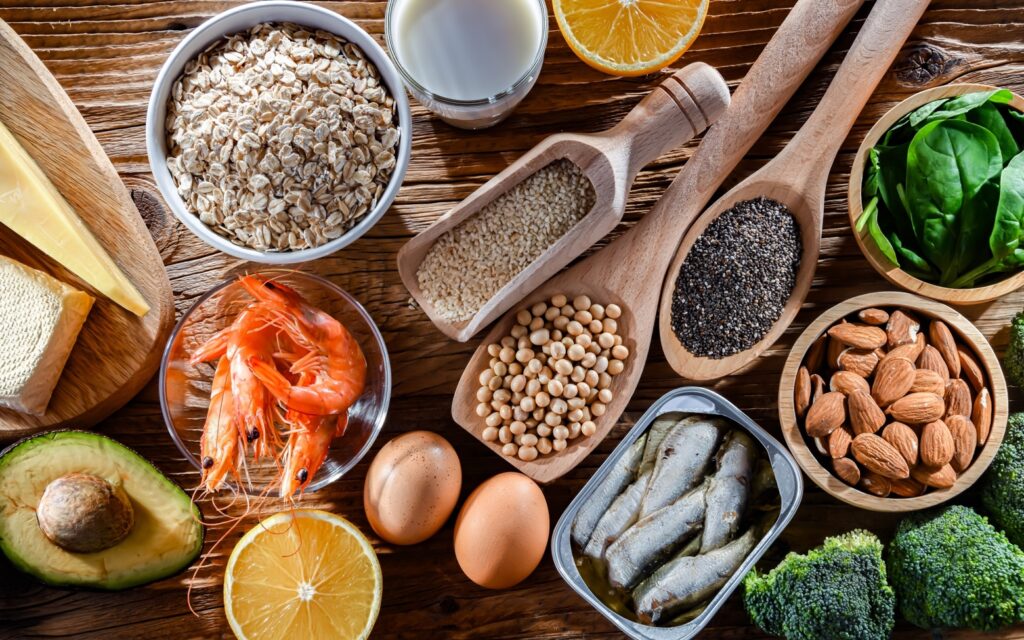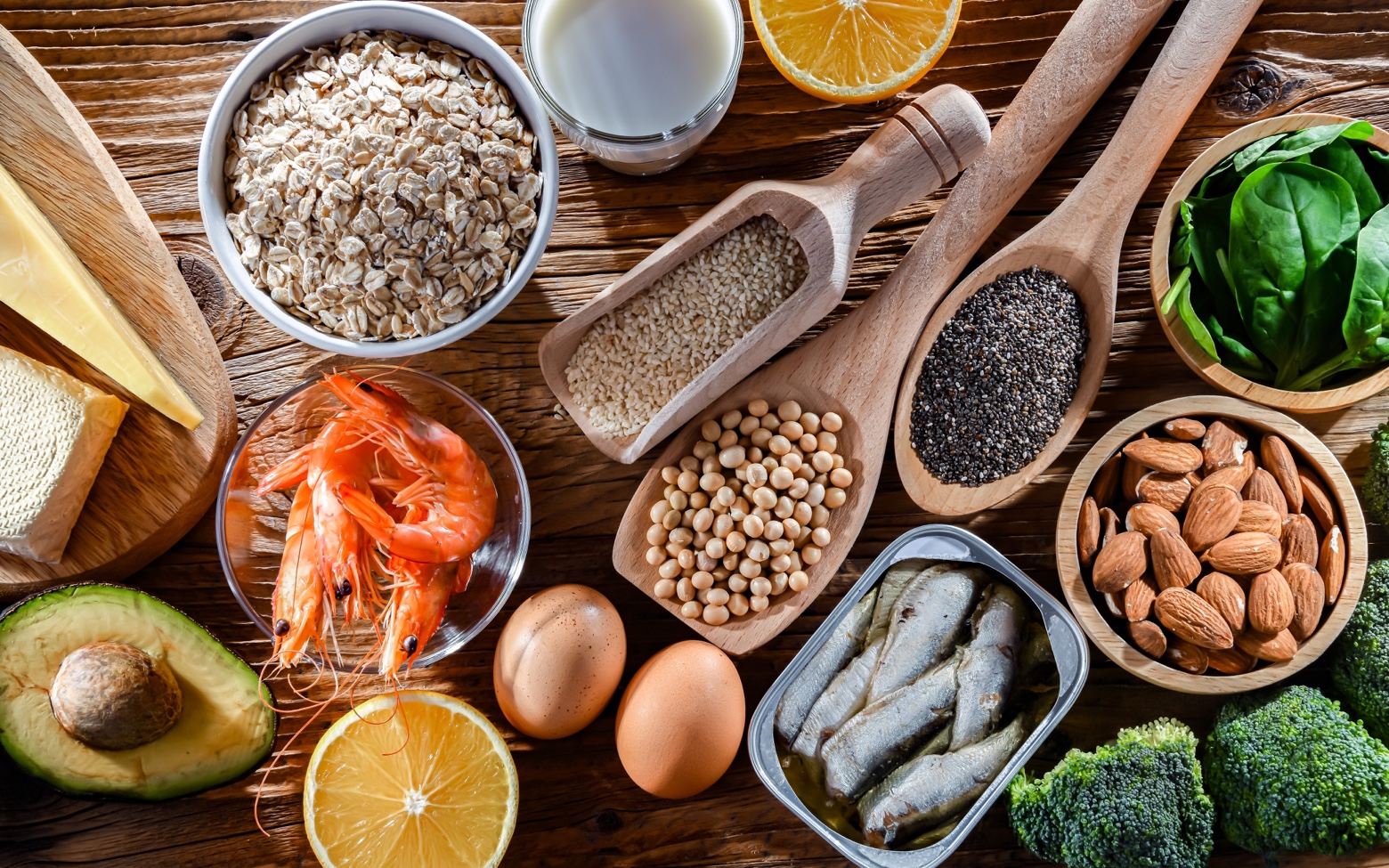
Are you lactose intolerant, following a vegan diet, or simply looking to diversify your calcium sources? While dairy is a well-known calcium source, numerous foods can help you meet your daily needs for this essential mineral.
In this article, we’ll show you the best dairy-free sources of calcium and how to incorporate them into your diet deliciously and healthily.
Why Is Calcium Important in Our Diet?
Calcium is a vital mineral for the body. Here’s why it’s so essential in your diet and its benefits:
- Strengthens bones and teeth
- Supports muscle contraction
- Aids in blood clotting
- Contributes to nervous system function
- Maintains a healthy heart rhythm
Calcium-Rich Foods Beyond Dairy
Here’s a list of foods that can help you maintain your calcium levels without consuming dairy:
1. Leafy Greens
Dark leafy greens are excellent sources of calcium and other essential nutrients:
- Kale: 254 mg of calcium per 100g
- Rich in vitamin K and antioxidants
- Ideal in salads or sautéed
- Lightly cooking kale improves calcium absorption
- Turnip greens: 190 mg per 100g
- A staple in Spanish cuisine
- Also, provide iron and vitamin C
- Perfect steamed or sautéed
- Spinach: 99 mg per 100g
- It contains oxalic acid, which can hinder absorption, but cooking reduces oxalates
- Excellent in juices or sautéed
- Swiss chard: 95 mg per 100g
- Versatile in cooking
- Rich in fibre and magnesium
- Ideal for stews or sautéed dishes
- Broccoli: 47 mg per 100g
- High calcium bioavailability
- Rich in vitamin C, which enhances absorption
- Best steamed to preserve nutrients
2. Fish and Seafood
In addition to calcium, these provide high-quality protein and other beneficial minerals:
- Canned sardines (with bones): 382 mg per 100g
- The bones are the primary source of calcium
- Rich in omega-3 and vitamin D
- Perfect for salads or on toast
- Anchovies: 147 mg per 100g
- High in protein
- Excellent source of iron
- Ideal as a condiment or snack
- Salmon: 12 mg per 100g
- Rich in vitamin D, which improves calcium absorption, and omega-3 fatty acids
- Wild salmon is an exceptionally nutritious option
- Prawns: 110 mg per 100g
- Low in calories
- Rich in iodine and selenium
- Versatile and easy to incorporate into meals
3. Seeds and Nuts
Great options for healthy snacks or as additions to various dishes:
- Chia seeds: 631 mg per 100g
- Rich in plant-based omega-3
- Provide soluble fibre
- It can be used in puddings, flans, or smoothies
- Sesame seeds: 975 mg per 100g
- Have the highest concentration of plant-based calcium
- Best-consumed ground for better absorption
- Ideal in recipes like tahini or as a topping
- Almonds: 264 mg per 100g
- Also, provide vitamin E and magnesium
- Best consumed raw or unsalted
- Excellent as a snack or in smoothies
4. Legumes and Derivatives
Complete sources of plant-based protein and calcium:
- Soy and derivatives:
- Firm tofu: 350 mg per 100g
- Tempeh: 111 mg per 100g
- Edamame: 63 mg per 100g
- Other legumes:
- White beans: 140 mg per 100g
- Chickpeas: 143 mg per 100g
- Lentils: 35 mg per 100g
When Should You Consult a Nutrition Specialist?

If you experience any of the following symptoms, it’s advisable to consult a nutrition specialist to evaluate whether they might be related to your diet:
Physical Symptoms
- Frequent muscle cramps
- Tingling in extremities
- Unexplained fatigue
- Brittle nails
- Dental problems
- Insomnia or sleep disturbances
- Persistent bone pain
Cognitive Symptoms
- Irritability
- Difficulty concentrating
- Mood swings
- Anxiety
Talking About Supplementation: When Is It Necessary?
If you have a calcium deficiency and haven’t managed to regulate your levels through a healthy diet, you may need to consider supplementation. This decision should always be supervised or guided by a healthcare professional. Supplementation may be an option in the following cases:
- Vegans with low calcium intake
- Menopause
- Osteoporosis
- High-performance athletes
- Elderly individuals
- Nutrient absorption issues
If you fall into one of these categories, consult your healthcare provider to determine:
- The most suitable type of supplement
- The correct dosage
- The duration of treatment
- Possible interactions with other medications or foods
Myths and Facts About Calcium
Myth 1: “Only dairy provides enough calcium.”
Fact: While dairy is a well-known source, there are many plant-based and animal-based calcium-rich foods like tofu, almonds, and broccoli that can meet our daily calcium needs.
Myth 2: “More calcium is always better.”
Fact: Excessive calcium intake can be counterproductive and, in some cases, lead to health issues like kidney stones. Maintaining adequate levels and optimising calcium absorption is more critical than uncontrolled consumption.
Myth 3: “Supplements are always necessary.”
Fact: Most people can meet their calcium needs with a varied and balanced diet. Supplements are helpful in specific cases but should be evaluated by a healthcare professional.
Myth 4: “Calcium from plant sources isn’t well absorbed.”
Fact: Some plant-based foods, like bok choy, have calcium absorption rates similar to or even higher than dairy products.
Calcium Throughout Life
Calcium is an essential nutrient at all stages of life. Here’s how its importance changes and how you can ensure adequate intake at each life stage:
Childhood and Adolescence
- Increased needs due to growth: Calcium is crucial for bone development during this stage.
- Healthy habits: Good eating habits are essential for strong and healthy growth.
- Specific recommendations:
- Variety of calcium-rich foods
- Regular physical activity
- Moderate sun exposure for adequate vitamin D synthesis
Adulthood
- Maintaining bone mass: Calcium helps prevent bone loss during this stage.
- Lifestyle adaptation: Adjust calcium needs based on physical activity levels.
- Tips for adults:
- Regular exercise
- Balanced diet
- Stress management techniques
Pregnancy and Breastfeeding
- Increased needs: The body requires more calcium during these stages.
- Supervised supplementation: In some cases, calcium supplementation is recommended but should be supervised by a healthcare professional.
- Recommended foods: Include calcium-rich options like almonds and salmon.
Elderly
- Osteoporosis prevention: The risk of osteoporosis increases with age, making adequate calcium intake essential.
- Calcium absorption: Factors like reduced sun exposure or digestive changes can affect calcium absorption.
- Tailored recommendations: Consider a calcium-rich diet and consult your doctor about supplementation.
Optimising Calcium Absorption
Calcium is essential for maintaining healthy bones and teeth and supporting muscle function and nerve transmission. While a proper diet is key, it’s also important to understand the factors that enhance or hinder its absorption. Here’s what you need to know:
Factors That Enhance Calcium Absorption
1. Vitamin D:
- Moderate sun exposure (10-15 minutes daily)
- Sun-exposed mushrooms
- Fatty fish
- Egg yolks
2. Vitamin K:
- Leafy greens
- Fresh herbs
- Sauerkraut and other fermented foods
3. Magnesium:
- Nuts (almonds, cashews, etc.)
- Seeds (pumpkin, sesame, etc.)
- Legumes (lentils, chickpeas, etc.)
Factors That Hinder Calcium Absorption
Substances to moderate:
- Phytates in whole grains
- Oxalates in spinach and chard
- Excess sodium
- High caffeine intake
Habits to avoid:
- Smoking
- Excessive alcohol consumption
- Sedentary lifestyle
- Chronic stress
Remember, maintaining a balanced diet rich in these nutrients and a healthy lifestyle is key to ensuring proper calcium absorption.
Calcium-Rich, Dairy-Free Recipes
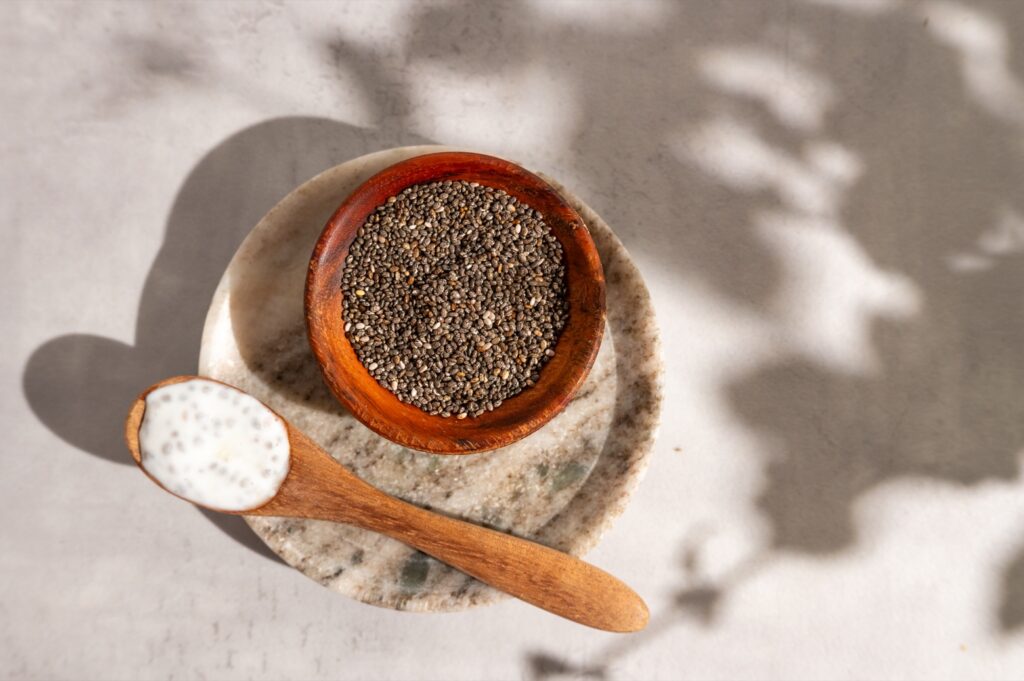
Here are some meal ideas that provide calcium without dairy:
Energy Breakfast: A quick and delicious option to start the day with a healthy dose of calcium.
Ingredients:
- 2 tbsp chia seeds
- 1 banana
- Fortified plant-based milk
- Sliced almonds
- Cinnamon to taste
Power Salad: Packed with colour and nutrients, this salad is perfect for a light lunch or dinner.
Ingredients:
- Chopped kale
- Cooked chickpeas
- Sesame seeds
- Avocado
- Tahini dressing
Tofu Stir-Fry: A tasty and easy recipe for a quick, calcium-rich dinner.
Ingredients:
- Firm tofu
- Broccoli
- Mushrooms
- Sesame seeds
- Soy sauce
Weekly Meal Plan
This sample weekly menu will help you plan a balanced, calcium-rich diet without dairy. You can adapt it to your preferences or add your favourite ingredients.
Monday – Green Day
- Breakfast: Green smoothie with spinach and chia
- Lunch: Kale salad with chickpeas
- Dinner: Broccoli and tofu stir-fry
Tuesday – Fish Day
- Breakfast: Toast with sardines
- Lunch: Anchovy salad
- Dinner: Baked salmon with vegetables
Wednesday – Legume Day
- Breakfast: Hummus with crudités
- Lunch: Lentils with vegetables
- Dinner: Chickpea burger
Thursday – Seed Day
- Breakfast: Chia pudding
- Lunch: Salad with mixed seeds
- Dinner: Vegetable stir-fry with sesame
Friday – Mixed Day
- Breakfast: Oatmeal with nuts
- Lunch: Buddha bowl
- Dinner: Scrambled tofu with vegetables
Recommended Exercises for Bone Health
To maintain good bone health, combine moderate-impact and resistance exercises. Here are some ideas:
Moderate-Impact Exercises
- Brisk walking
- Dancing
- Stair climbing
Resistance Exercises
- Resistance bands
- Lightweights
- Yoga
- Pilates
Precautions for Bone Health
- Adapt exercises to your fitness level
- Gradually increase intensity
- Stay hydrated
- Consult a healthcare professional before starting any new routine
The Importance of Calcium
Maintaining adequate calcium levels is essential for your health. Numerous dairy-free calcium sources can help you meet your daily needs. At HM Hospitals, our team of nutritionists can help you design a personalised meal plan tailored to your needs and preferences.
Obtaining calcium through non-dairy sources is possible and can even benefit many people. The key lies in:
- Diversifying calcium sources
- Maintaining a balanced diet
- Combining foods appropriately
- Exercising regularly
- Regular medical check-ups
At HM Hospitals, our nutrition team will provide a comprehensive approach:
- Assess your individual needs
- Design a personalised nutrition plan
- Monitor your progress
- Adjust recommendations based on your results
- Coordinate with other specialists if necessary
Would you like guidance on your diet? Consult our nutrition specialists. We’re here to help you maintain a balanced diet that meets all your nutritional needs.
Remember: This article is for informational purposes only and does not replace medical consultation. If you have any doubts, consult a healthcare professional.