Robotic surgery, an innovative surgical technique, transforms medical procedures. If you’re considering surgery, understanding the possibilities offered by robotics can help you make an informed decision.
This article explains what this technique involves, how it’s performed, and all the benefits it can offer you.
.
What is Robotic Surgery?
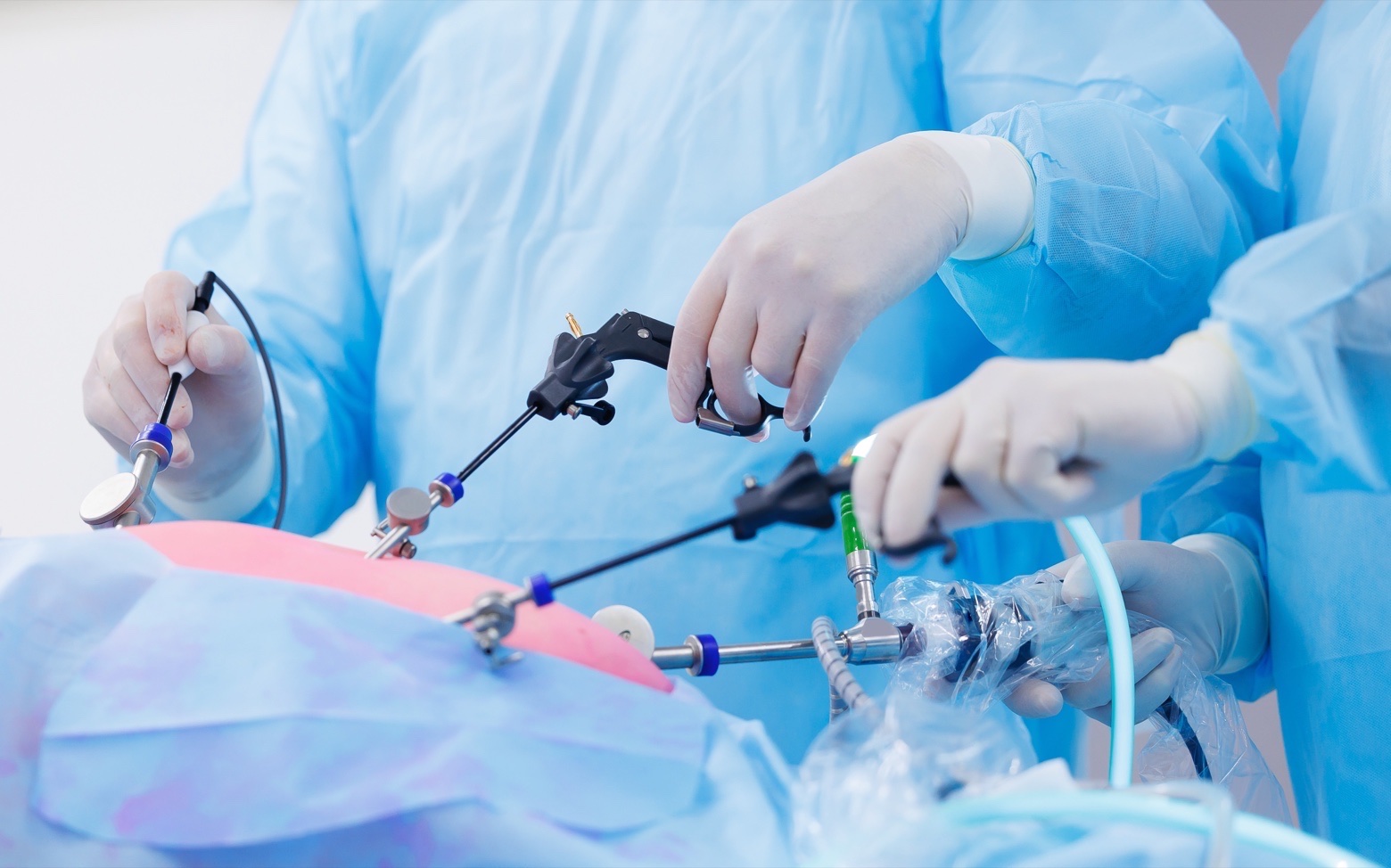
Unlike traditional open surgery, which requires large incisions, robotic surgery uses miniaturised instruments inserted through small incisions. This results in several benefits for the patient, including less blood loss, a lower risk of infection, and a faster, less painful recovery. Additionally, robotic surgery provides a magnified, three-dimensional view of the surgical field, allowing the surgeon greater precision and control during the procedure. This millimetre-level precision enables complex surgeries with greater safety and efficiency, minimising damage to surrounding tissues.
What Types of Robotic Surgery Are There?
Robotic surgery covers a variety of specialities, from urology and gynaecology to cardiac and general surgery. For example, in urology, robotic surgery is used to perform radical prostatectomies, partial nephrectomies, and cystectomies. In gynaecology, it’s used for hysterectomies, myomectomies, and surgeries for endometriosis. The types of robotic surgery are classified according to the speciality and the type of robotic system used. Some systems offer greater precision for complex movements, while others specialise in minimally invasive procedures.
Among the various robotic surgery systems, the Da Vinci system is one of the most well-known and widely used, but there are also other platforms, such as the Senhance system and the ROSA system. Each system is tailored to different surgeries and needs, so your doctor needs to evaluate which option is best for you. The Da Vinci system, for example, stands out for its precision, dexterity, and three-dimensional vision, making it an ideal tool for complex surgeries in confined spaces.
What Surgeries Can Be Performed with Robotics?
Robotic surgery is used in a wide range of procedures, including prostatectomies, hysterectomies, gallbladder surgery, hernia repairs, bariatric surgery, colorectal surgery, and many others. The use of this surgical system depends on several factors, including your medical condition, the surgery’s complexity, and the technology’s availability. Your doctor will explain whether you’re suitable for robotic surgery and detail the associated benefits and risks. In cardiac surgery, for example, it performs coronary bypasses, mitral and tricuspid valve repairs, and atrial septal defect closures.
Robotic surgery is not suitable for all cases. Certain medical or anatomical conditions may make robotic surgery less ideal. Having an open and honest conversation with your doctor is crucial to determining if this type of surgery is the best option for you. It’s important to note that robotic surgery, although minimally invasive, is still surgery and, as such, carries certain risks.
What Types of Surgeries Use Robotic Surgery, and What Are Their Benefits?
Various medical specialities benefit from robotic surgery. Urology, gynaecology, cardiac surgery, general surgery, thoracic surgery, oncological surgery, and other specialities use robotic surgery to perform complex procedures with greater precision and control. Robotic surgery allows surgeons to make more precise and delicate movements, minimising surgical trauma and optimising outcomes. Thoracic surgery, for example, performs lobectomies, lung resections, and thymectomies.
Robotic surgery has revolutionised the way many types of surgeries are performed. Thanks to its precision and minimally invasive nature, patients experience less pain, fewer scars, and a faster recovery. This translates to a better quality of life after surgery. Additionally, robotic surgery reduces the risk of postoperative complications, such as infections and bleeding.
What Types of Surgeries Does the Da Vinci Robot Perform?
The Da Vinci robot is one of the world’s most advanced and widely used robotic surgery systems. This robot allows surgeons to perform movements with greater precision and control, improving patient outcomes.
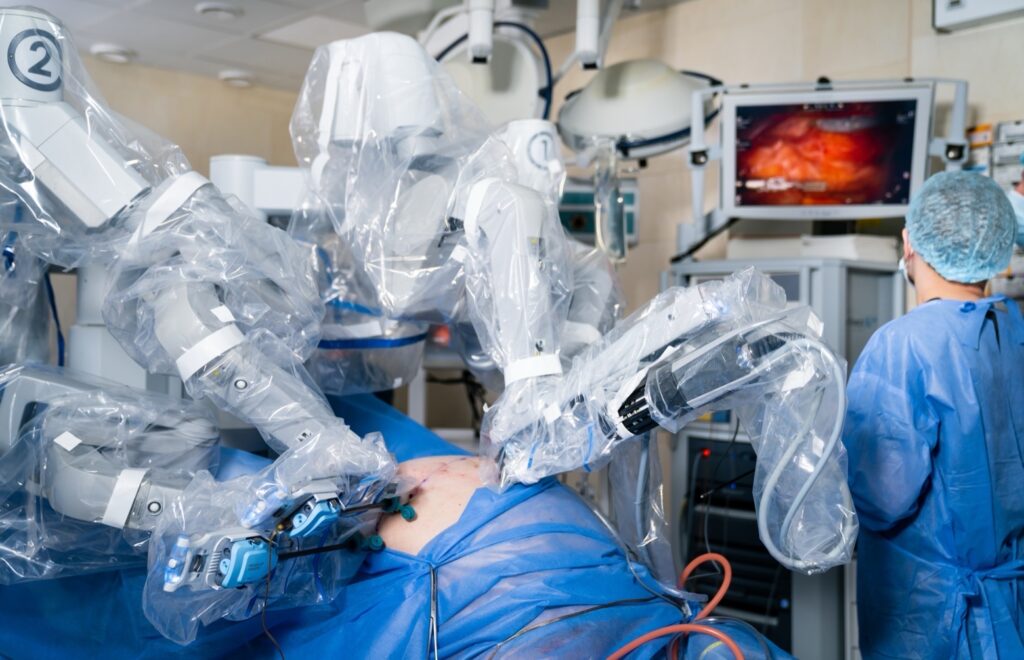
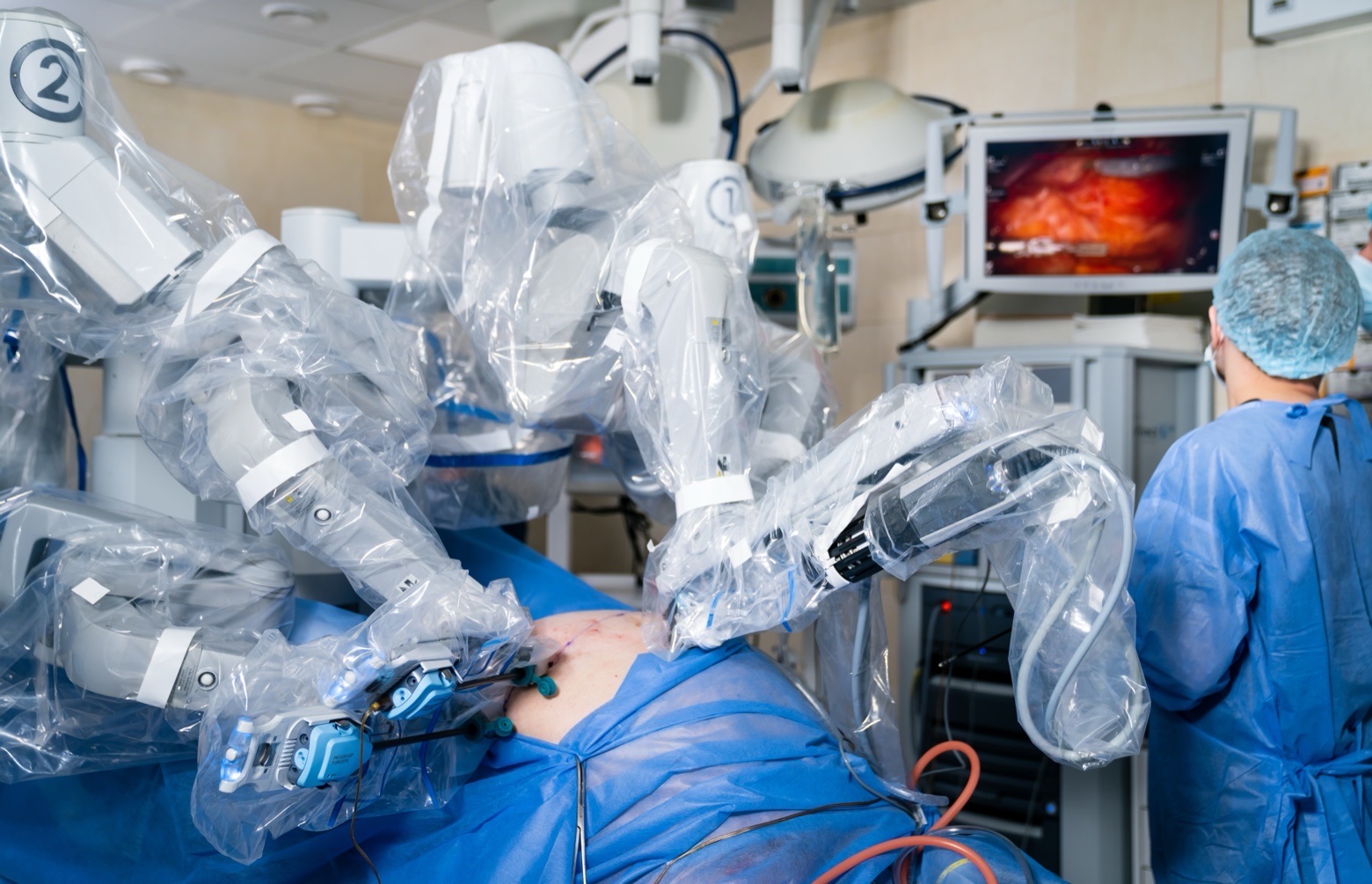
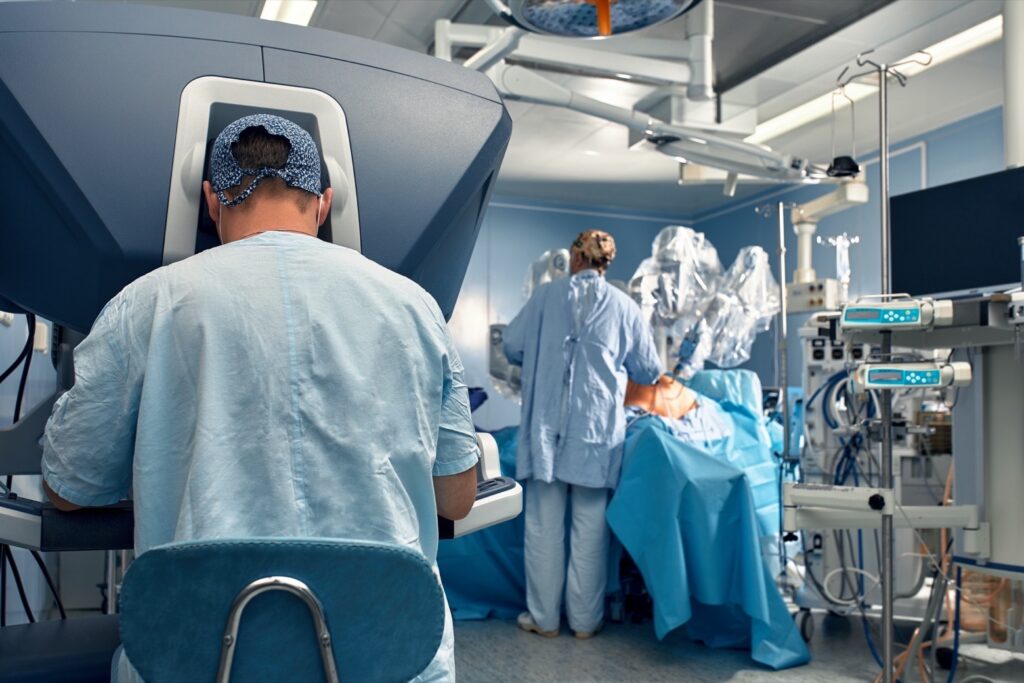
The Da Vinci system consists of three main components: the surgeon’s console, the patient-side cart with robotic arms, and a high-definition, three-dimensional vision system.
This system is used in a wide variety of procedures across different surgical specialities, including:
- Urology: It’s frequently used to perform radical prostatectomies for prostate cancer, preserving nerves and vital tissues to minimise side effects such as urinary incontinence and erectile dysfunction. It’s also used in partial nephrectomies, where only the affected part of the kidney is removed, preserving kidney function. Additionally, it’s used in pyeloplasties to correct urinary tract obstructions and in radical cystectomies for bladder cancer.
- Gynaecology: It’s used to perform hysterectomies, myomectomies to remove uterine fibroids, and surgeries for endometriosis. The precision of the Da Vinci system allows for less tissue manipulation, reducing pain and postoperative complications. It’s also used in pelvic organ prolapse surgery and radical hysterectomies for cervical cancer.
- General Surgery: It’s used in procedures such as cholecystectomies to remove the gallbladder, Nissen fundoplication for gastroesophageal reflux disease, and bariatric surgery, including gastric bypass and sleeve gastrectomy. It also offers significant benefits in oncological surgery. Robotic surgery allows for smaller incisions and faster recovery in these procedures.
- Cardiac Surgery: It performs coronary bypasses, mitral and tricuspid valve repairs, and atrial septal defect closures. The system’s precision allows for less manipulation of the heart and reduces the risk of complications.
- Thoracic Surgery: It performs lobectomies, lung resections, thymectomies to remove the thymus, and esophagectomies for oesophagal cancer. Robotic surgery allows for smaller incisions and faster recovery in these procedures.
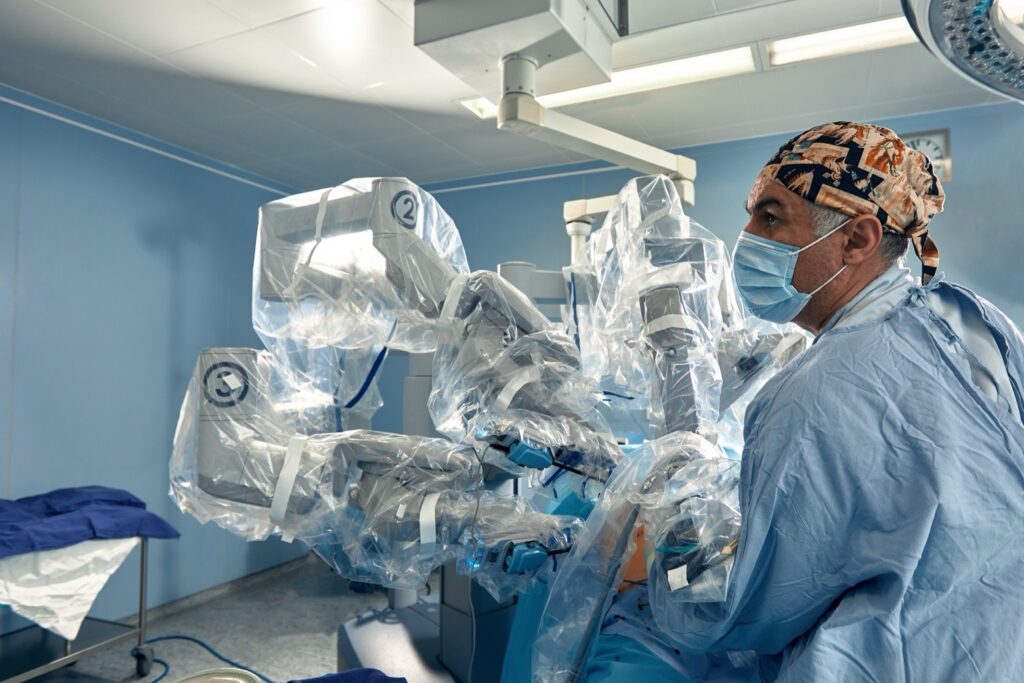
The Da Vinci robot does not operate on its own. It’s a tool that the surgeon uses to perform the surgery. The surgeon controls the robot from a console, and the robot translates the surgeon’s movements into precise movements of the surgical instruments. The high-definition, three-dimensional vision gives the surgeon a magnified and detailed view of the surgical field, facilitating complex procedures.
Your Health, Our Priority: HM Hospitales and Robotic Surgery
At HM Hospitales, we understand that undergoing surgery can be a significant decision. That’s why we’re committed to providing you with the best medical care, using cutting-edge technology like robotic surgery to offer you the best treatment options. If you’d like to learn more about robotic surgery and how it can benefit you, don’t hesitate to contact us. Our team of highly qualified and experienced robotic surgeons is available to answer all your questions and provide the personalised care you need.
Remember: This article is for informational purposes only and does not replace medical consultation. If you have any concerns, consult a healthcare professional.