Laparoscopic gallbladder surgery, also known as laparoscopic cholecystectomy, is a minimally invasive surgical procedure to remove the gallbladder.
This technique has revolutionised the treatment of gallbladder diseases, offering numerous advantages over traditional open surgery. This article explains in detail what it involves, its benefits, the recovery process, and what to expect after the surgery.
What is the Gallbladder, and What is its Function?
The gallbladder is a small, pear-shaped organ located beneath the liver. Its primary function is to store and concentrate bile, a fluid the liver produces that helps digest fats. When you eat, the gallbladder contracts and releases bile into the small intestine to aid digestion.
What is Laparoscopic Gallbladder Surgery?
Laparoscopic gallbladder surgery, also known as laparoscopic cholecystectomy, is a minimally invasive surgical procedure used to remove the gallbladder. Unlike traditional open surgery, which requires a large abdominal incision, laparoscopy is performed through several small incisions, typically between 0.5 and 1 centimetre in size.
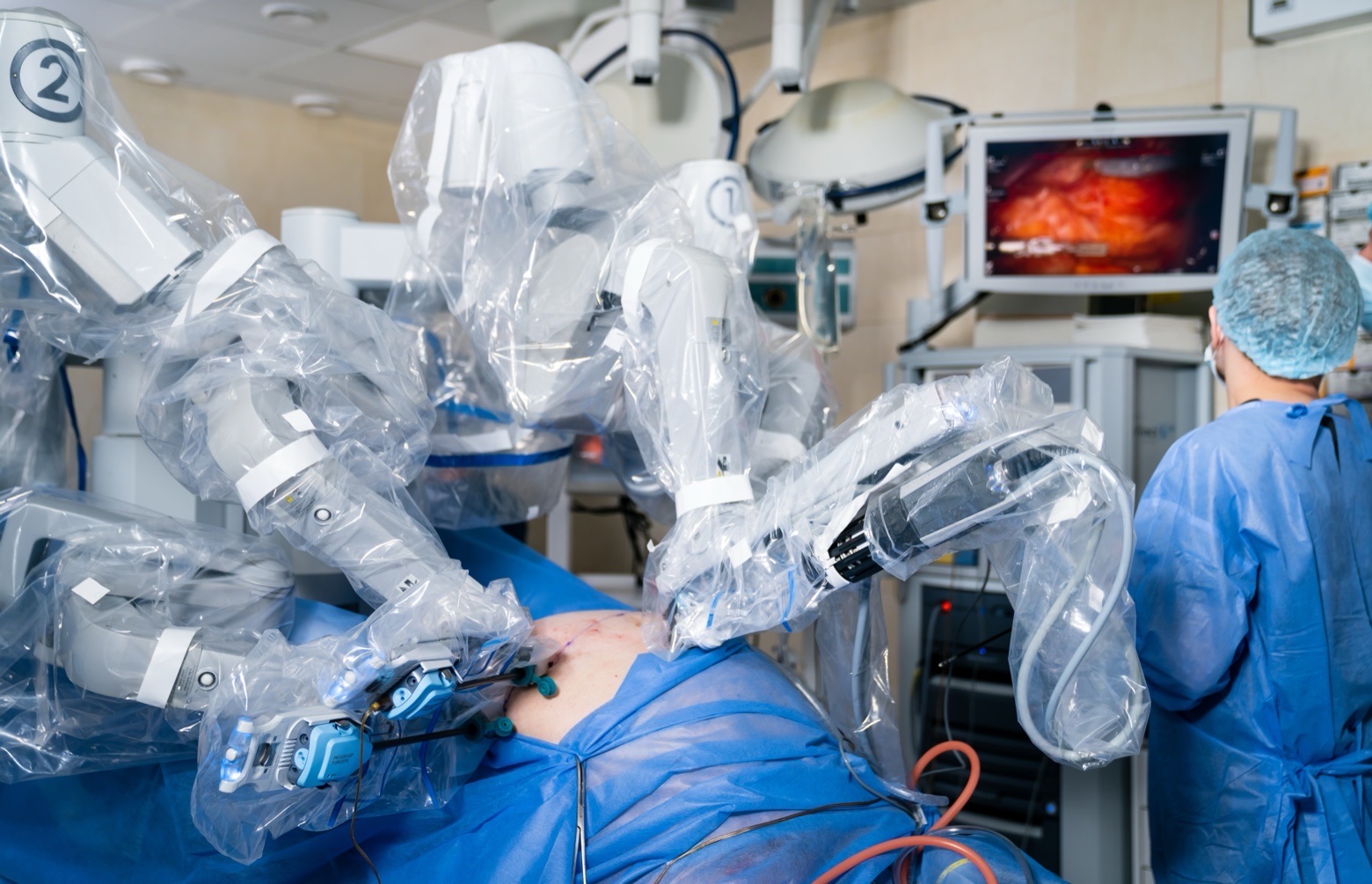
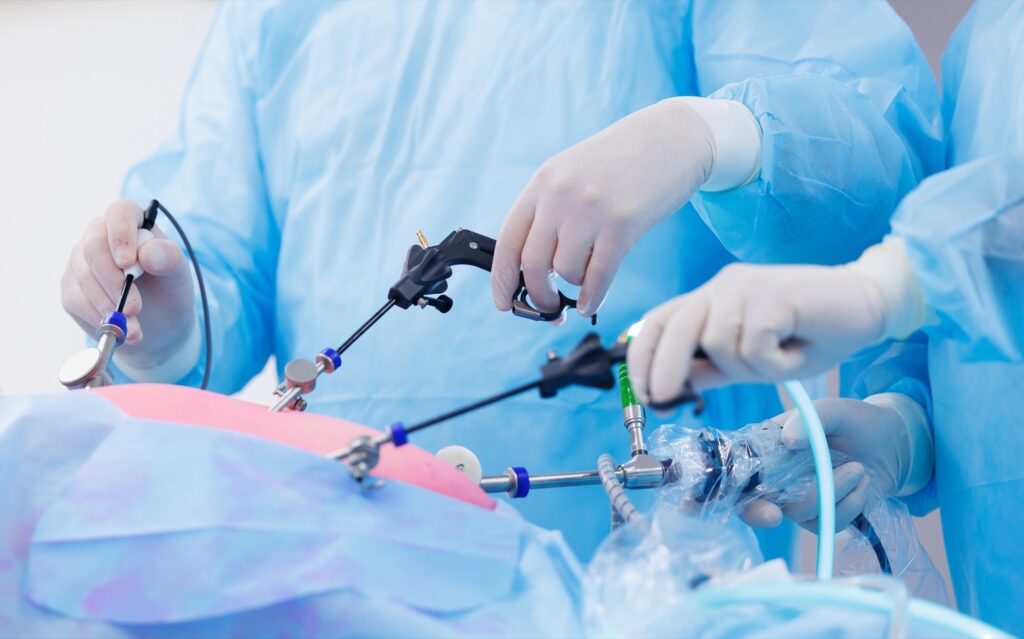
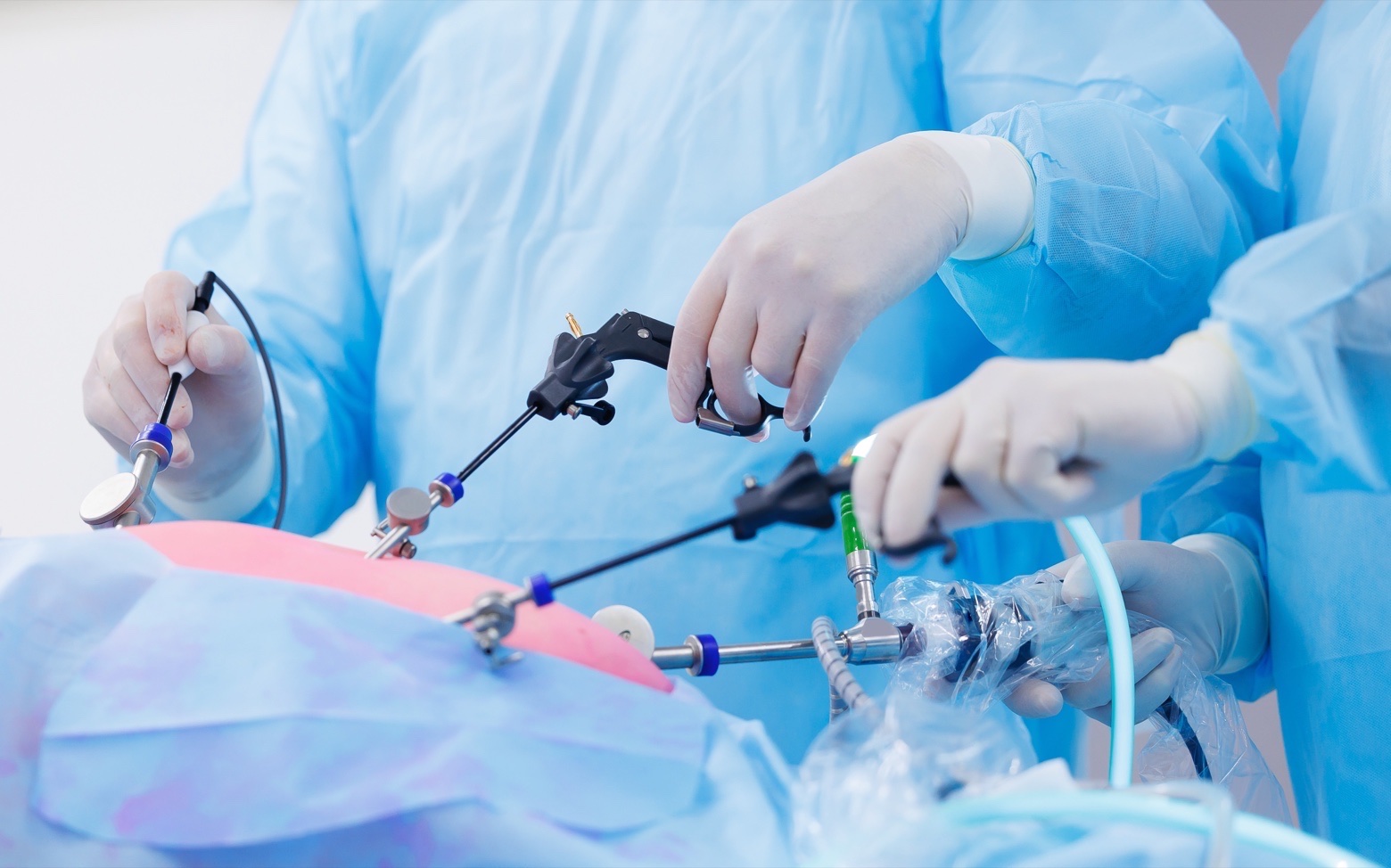
During a laparoscopic cholecystectomy, the surgeon makes three to four small incisions in the abdomen. A laparoscope—a thin instrument with a camera at the end—is inserted through one of these incisions, allowing the surgeon to view the inside of the abdomen on a high-definition monitor. Specialised surgical instruments, such as forceps, scissors, and a device to seal and cut tissues, are introduced through the other incisions. The surgeon uses these tools to separate the gallbladder from the liver, the cystic duct, and the cystic artery and then removes it through one of the incisions. The incisions are closed with sutures or surgical staples.

When is Laparoscopic Gallbladder Surgery Recommended?
Laparoscopic gallbladder surgery, or laparoscopic cholecystectomy, is recommended when the gallbladder is not functioning correctly or is causing health problems. While gallstones are the most common reason, other conditions may warrant this procedure.
- Gallstones (cholelithiasis): The formation of tiny stones primarily made of cholesterol is the leading cause of gallbladder issues. These stones can block bile flow, causing severe pain (biliary colic), inflammation of the gallbladder (cholecystitis), and even infections. If gallstones cause recurrent symptoms or complications, laparoscopic surgery is usually the recommended treatment.
- Cholecystitis: Cholecystitis is gallbladder inflammation, which can be acute or chronic. It is often caused by gallstones blocking the cystic duct and can also occur without stones. Laparoscopic surgery is the treatment of choice for acute cholecystitis and is also recommended for chronic cholecystitis that causes recurrent symptoms.
- Choledocholithiasis refers to gallstones in the common bile duct, which carries bile from the liver and gallbladder to the small intestine. Obstruction of the bile duct can cause jaundice (yellowing of the skin and eyes), abdominal pain, and infection. Laparoscopic surgery, often combined with endoscopic retrograde cholangiopancreatography (ERCP) to remove stones from the bile duct, is the standard treatment.
- Biliary dyskinesia: Biliary dyskinesia refers to a gallbladder malfunction, which does not contract properly to release bile. This can cause symptoms similar to gallstones, such as abdominal pain and indigestion. In some cases, laparoscopic surgery may be recommended if other treatments are ineffective.
- Gallbladder polyps: Although most are benign, some may be precancerous or cancerous. Laparoscopic surgery may be recommended to remove large polyps or those with suspicious features.
- Gallbladder cancer: Although less common, gallbladder cancer may require laparoscopic cholecystectomy, often along with the removal of part of the liver and nearby lymph nodes.
Benefits of Laparoscopic Gallbladder Surgery
Laparoscopic gallbladder surgery offers significant advantages over traditional open surgery:
- Less post-operative pain: The small incisions in laparoscopy cause significantly less pain than the large incisions in open surgery. This translates to less need for painkillers and greater comfort during recovery.
- Faster recovery: Recovery from laparoscopic surgery is much quicker than open surgery. Most patients can return to normal activities within one to two weeks, while recovery from open surgery can take several weeks or even months.
- Fewer scars: The small incisions from laparoscopy leave much more minor and less visible than the large scars from open surgery. This is an essential aesthetic advantage for many patients.
- Lower risk of complications: Laparoscopic surgery carries a lower risk of infection, bleeding, hernias, and other complications than open surgery.
- Shorter hospital stay: In most cases, laparoscopic cholecystectomy is performed as an outpatient procedure, meaning the patient can go home the same day. If hospitalisation is required, the stay is usually much shorter than open surgery.
- Faster return to work: Due to the quicker recovery, patients undergoing laparoscopic surgery can return to work much sooner than those who undergo open surgery.
However, it’s important to note that not all patients are candidates for laparoscopic surgery. In some cases, such as for patients with morbid obesity, severe gallbladder inflammation, or a history of complex abdominal surgeries, open surgery may be the safer option. The final decision on the type of surgery will be made in consultation with the surgeon, considering each patient’s circumstances.

Possible Side Effects of Laparoscopic Gallbladder Surgery
While laparoscopic cholecystectomy is a minimally invasive and generally safe procedure, like any surgery, it carries the possibility of side effects and complications. It’s essential to be aware of both common side effects, usually mild and temporary, and warning signs that indicate the need for immediate medical attention.
Common side effects include:
- Shoulder pain: Pain in the shoulder, especially the right shoulder, is a frequent side effect caused by the gas used during laparoscopy to inflate the abdomen. The gas can irritate the diaphragm, which shares nerves with the shoulder. This pain is usually mild and resolves within one or two days. Applying heat to the area and walking can help alleviate discomfort.
- Mild abdominal pain: Feeling mild abdominal pain around the incision sites is normal. The pain can be managed with over-the-counter painkillers, such as paracetamol or ibuprofen.
- Abdominal gas and bloating: The gas used during laparoscopy can cause bloating and abdominal discomfort. Walking and avoiding carbonated drinks can help relieve these symptoms.
- Nausea and vomiting: Some people experience nausea and vomiting after surgery, usually due to the anaesthesia. These symptoms are typically mild and temporary.
- Fatigue: It’s normal to feel tired after surgery. Get plenty of rest and avoid strenuous activities during the first few weeks of recovery.
- Bruising around the incisions: Small bruises may appear around the incision sites. These usually fade within a few days.
While these side effects are common and generally not a cause for concern, it’s essential to watch for the following warning signs, which could indicate a complication and require immediate medical attention:
- High fever (over 38°C): A fever could be a sign of infection.
- Severe abdominal pain: If abdominal pain is severe and not relieved by painkillers, it could indicate a complication.
- Chills: Chills may accompany a fever and be a sign of infection.
- Persistent nausea and vomiting: If nausea and vomiting do not subside or worsen, consult your doctor.
- Jaundice (yellowing of the skin and eyes): This could indicate a problem with the bile ducts.
- Significant abdominal swelling: If the abdomen becomes very swollen and stiff, it could be a sign of a complication.
- Redness, warmth, or discharge at the incision sites: These signs could indicate a wound infection.
- Difficulty breathing: If you experience difficulty breathing, seek medical attention immediately.
Laparoscopic gallbladder surgery is a safe and effective procedure for treating gallbladder diseases. It offers numerous advantages over open surgery, including faster recovery and a lower risk of complications. If you need gallbladder surgery, talk to your doctor about the laparoscopic option. HM Hospitales has a team of expert surgeons who specialise in laparoscopic surgery. Contact us for more information or to schedule an appointment.
Remember: This article is for informational purposes only and does not replace medical advice. If you have any concerns, consult a healthcare professional.