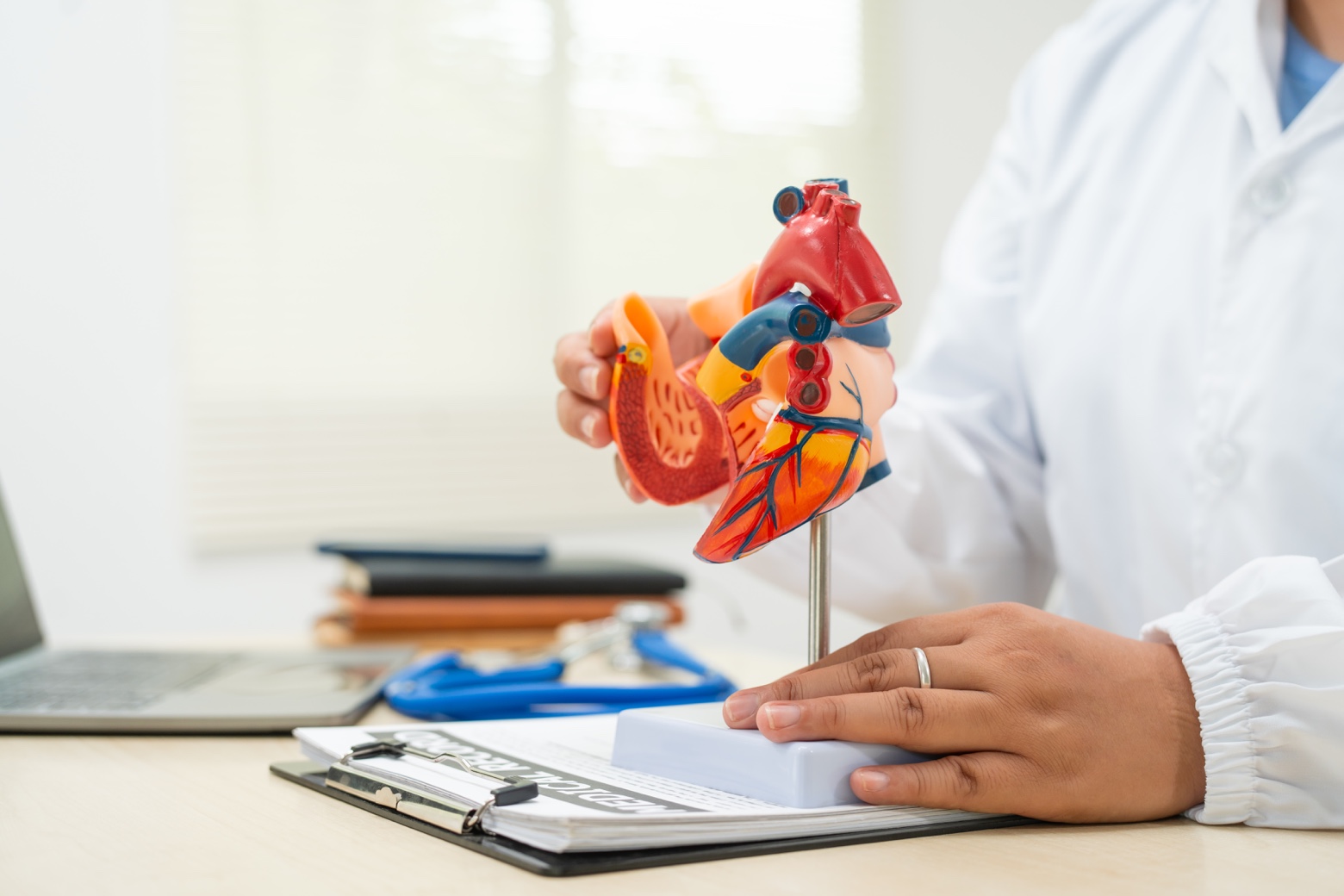
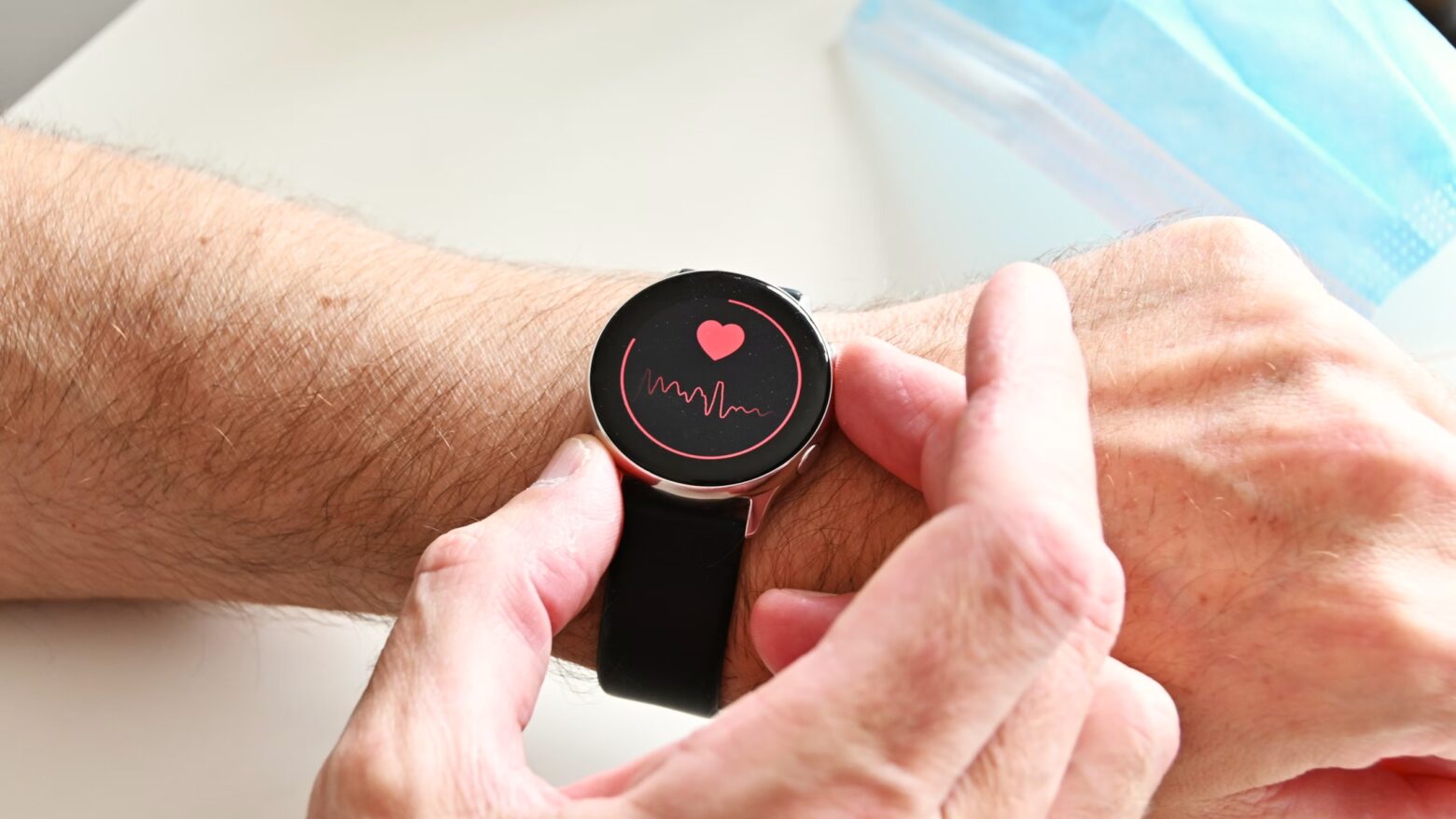
Tachycardia is a type of arrhythmia that is defined as an abnormally rapid resting heart rate. Generally, a heart rate greater than 100 beats per minute (bpm) in adults is considered tachycardia. The heart has an electrical system that controls the heart rate. Tachycardia occurs when abnormal electrical signals are produced in the heart, causing it to beat too fast. Although it can sometimes be harmless, tachycardia can reduce the heart’s efficiency in pumping blood to the rest of the body and, in some cases, can be a sign of a serious underlying heart condition.
Symptoms of tachycardia
The symptoms of tachycardia can vary depending on the heart rate, the duration of the episode, and the individual’s overall health. Some people with tachycardia do not experience any symptoms. However, when symptoms do occur, they may include:
Palpitations:
sensation of the heart beating fast, fluttering, or skipping beats.
Chest pain (angina).
Shortness of breath (dyspnea).
Dizziness or lightheadedness.
Fainting or loss of consciousness (syncope).
Weakness or fatigue.
Anxiety.
Causes of tachycardia
Most of the time, tachycardia is a normal response to stressful stimuli such as fear, anxiety, intense exercise, or even fever. This helps increase blood flow as needed, and is usually not a cause for concern.
But sometimes tachycardia indicates a health problem. Causes of abnormal tachycardia include:
Risk factors for tachycardia include those mentioned above in the causes. Additionally, people with the following conditions may have a higher risk of tachycardia:
Chronic pain.
Obesity.
Chronic stress.
Continuous use of drugs such as cocaine or amphetamines.
Hyperthyroidism (overactive thyroid).
Old age.
Family history of tachycardia or other arrhythmias.
High blood pressure.
Underlying heart disease.
Types of tachycardia
There are several types of tachycardia, which are classified according to the part of the heart where this arrhythmia originates:
Supraventricular tachycardia: it originates in the atria (upper chambers of the heart) or in the atrioventricular node. Some examples include atrial fibrillation, atrial flutter, and paroxysmal supraventricular tachycardia (PSVT).
Ventricular tachycardia: it originates in the ventricles (lower chambers of the heart). It is a type of tachycardia that is usually more serious than supraventricular tachycardia. It includes ventricular tachycardia and ventricular fibrillation.
Sinus tachycardia: in general, it is a type of normal tachycardia that occurs when the sinoatrial node, the heart’s natural pacemaker, sends electrical signals at a faster rate than normal. It can be caused by exercise, stress, fever, or certain medications. Sometimes the sinoatrial node discharges at a higher frequency than normal, without responding to any stimulus; this is called inappropriate sinus tachycardia.
Complications of tachycardia
If left untreated, tachycardia can increase the risk of developing serious complications, such as:
Heart failure: chronic tachycardia can weaken the heart muscle over time, making it difficult for the heart to pump blood efficiently.
Stroke: some types of tachycardia, such as atrial fibrillation, can increase the risk of blood clots forming in the heart. If a blood clot breaks loose and travels to the brain, it can block blood flow and cause a stroke.
Tachycardia or ventricular fibrillation can cause cardiac arrest and sudden death.
Prevention of tachycardia
Although not all types of tachycardia can be prevented, steps can be taken to reduce the risk, such as:
Controlling blood pressure.
Controlling cholesterol.
Maintaining a healthy weight.
Exercising regularly.
Following a heart-healthy diet.
Limiting caffeine and alcohol intake.
Not smoking.
Controlling stress.
Treating underlying medical conditions, such as hyperthyroidism.
Diagnosis of tachycardia
An accurate diagnosis of tachycardia is essential to determine the appropriate treatment. The process begins with a complete clinical evaluation, which includes a physical examination and a detailed review of the patient’s medical history, including family history of heart disease, symptoms experienced, medications taken, and lifestyle. Subsequently, various tests are performed to confirm the diagnosis and determine the type of tachycardia:
Electrocardiogram (ECG): it is a quick, painless test that records the heart’s electrical activity using electrodes placed on the chest. An ECG can show heart rate, heart rhythm, and any abnormalities in the electrical activity of the heart. It is important to perform an ECG during episodes of tachycardia.
Holter monitor: it is a portable device that continuously records the heart’s electrical activity for 24 to 48 hours. Sometimes, it is recorded for a full week. The patient wears the monitor while performing their daily activities, allowing the doctor to assess the heart rhythm over a longer period of time.
Cardiac event monitor: similar to a Holter monitor, but used for a longer period of time, usually a month. The patient activates the monitor when experiencing symptoms. This test is useful for diagnosing intermittent arrhythmias that are not detected on an ECG or Holter monitor.
Stress test: it records the electrical activity of the heart while the patient exercises on a treadmill or stationary bike. This test helps assess how the heart responds to physical exertion and can reveal arrhythmias that start or worsen during exercise.
Echocardiogram: this test uses sound waves to create images of the heart, allowing its structure and function to be evaluated. An echocardiogram can help identify underlying causes of tachycardia, such as enlarged atria, heart valve problems, or damage to the heart muscle.
Electrophysiological study: it is a more invasive procedure that is performed in a hospital. A catheter with electrodes is inserted through a vein or artery into the heart. The electrodes record the electrical activity of the heart and can be used to stimulate the heart and induce arrhythmias. This study is useful for diagnosing complex tachycardia and determining the exact location of the abnormal heart tissue that causes the arrhythmia.
Treatment of tachycardia
The treatment of tachycardia is individualized according to the type of tachycardia, the underlying cause, the frequency and severity of the symptoms, the patient’s overall health, and their preferences. The following are some treatment options:
Medications: there are several antiarrhythmic medications that can help control heart rate, restore normal heart rhythm, or prevent episodes of tachycardia. The choice of this will depend on the type of tachycardia and other factors. Some examples of medications are beta-blockers, calcium antagonists, or antiarrhythmic drugs. Anticoagulants are also important, as they prevent the formation of clots in some arrhythmias, such as atrial fibrillation or flutter.
Vagal maneuvers: these are simple techniques that can help slow the heart rate or even reverse tachycardia by stimulating the vagus nerve. Examples include the Valsalva maneuver (straining as if evacuating the bowel) and coughing forcefully.
Cardioversion: it is a procedure that uses a synchronized electrical shock to restore a normal heart rhythm. It is performed under sedation and is effective in treating certain types of tachycardia, such as atrial fibrillation.
Catheter ablation: it is a minimally invasive procedure that uses radiofrequency energy, laser light, or extreme cold to destroy abnormal heart tissue that causes tachycardia. A catheter is inserted through a vein or artery into the heart, and the ablation method is applied to the area of abnormal tissue.
Implantable Cardioverter-Defibrillator (ICD): it is a pacemaker-like device that is implanted under the skin to detect and treat dangerous heart rhythms, such as tachycardia and ventricular fibrillation.
HM Hospitales has a Cardiac Electrophysiology Unit which is dedicated to the study and treatment of electrical abnormalities that occur in the heart, including tachycardia.
Remember that this article is for informational purposes only and does not replace professional medical advice. If you suspect you have tachycardia, consult a specialist to obtain an accurate diagnosis and an appropriate treatment plan tailored to your needs.
Our doctors
Contact and make an appointment with the professionals in this area