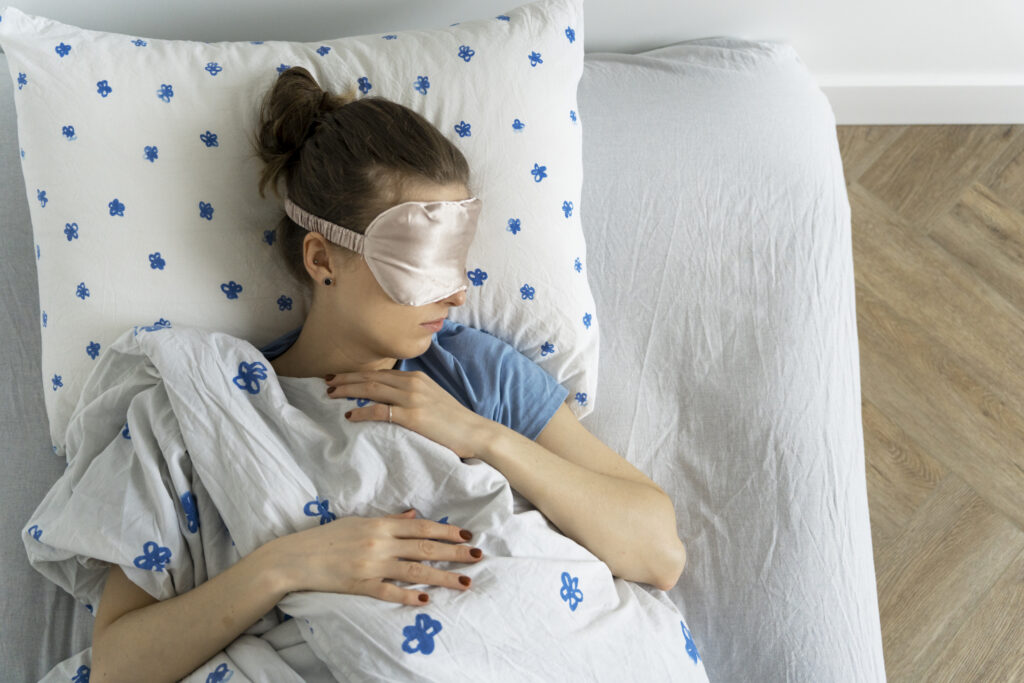
Sleep apnea is a disorder in which breathing repeatedly stops and restarts during sleep. These interruptions, called apneas, can occur several times per hour and last from a few seconds to more than a minute. Sleep apnea disrupts sleep and reduces the supply of oxygen to the brain and the rest of the body. This can lead to excessive daytime sleepiness, concentration problems, irritability, and an increased risk of cardiovascular disease, stroke, diabetes, and other complications.
Symptoms of sleep apnea
Sleep apnea can manifest in various ways, and it’s important to recognize the symptoms in order to seek medical help. The symptoms of sleep apnea can vary from person to person, but the most common ones include:
Loud snoring.
Pauses in breathing during sleep:
often noticed by a bed partner
Gasping or choking during sleep.
Waking up frequently during the night.
Morning headache.
Excessive daytime sleepiness.
Difficulty concentrating.
Irritability.
Night sweats.
Decreased libido.
It is important to note that not everyone who snores has sleep apnea, and some people with sleep apnea may not be aware of their snoring or breathing interruptions. If you experience any of these symptoms, it is essential to consult a doctor for an accurate diagnosis.
Classification of sleep apnea
To understand the severity and type of sleep apnea, it is helpful to know how this disorder is classified. Sleep apnea is mainly classified into three types:
Obstructive sleep apnea (OSA): it is the most common type, caused by a physical blockage of the airways, usually by the collapse of soft tissues at the back of the throat.
Central sleep apnea (CSA): this type is less common and occurs when the brain does not send the appropriate signals to the muscles that control breathing.
Mixed sleep apnea: a combination of obstructive and central apnea.
The severity of sleep apnea is classified according to the number of apneas and hypopneas (decreases in breathing) that occur per hour of sleep, known as the apnea-hypopnea index (AHI):
Normal: AHI less than 5.
Mild: AHI between 5 and 15.
Moderate: AHI between 15 and 30.
Severe: AHI greater than 30.
Causes of sleep apnea
Although sleep apnea is a common disorder, its causes can be diverse and complex. Obstructive sleep apnea (OSA) occurs when the throat muscles relax and block the airway during sleep. These muscles support the soft palate, the uvula, the tonsils, the tongue, and the lateral walls of the throat. When these muscles relax, the airways narrow or close, and breathing is interrupted for a brief period.
Central sleep apnea (CSA) is much less common. It occurs when the brain does not transmit the appropriate signals to the muscles that control breathing, so no effort is made to breathe for a short period.
There are several factors that can increase the likelihood of developing sleep apnea. Identifying these risk factors can help in taking preventive measures and seeking medical attention if needed. Several factors can increase the risk of developing sleep apnea, including:
Age: sleep apnea is more common in older adults.
Sex: men are more likely to have sleep apnea than women, although the risk in women increases after menopause.
Family history: having a family history of sleep apnea increases the risk.
Obesity: being overweight is a significant risk factor.
Alcohol and tobacco use: these substances can relax the throat muscles, increasing the risk of obstruction.
Complications of sleep apnea
Sleep apnea can have significant health consequences if not treated properly. It is important to be aware of these complications to understand the importance of seeking medical attention. Untreated sleep apnea can lead to a number of serious complications, including:
Heart disease: increased risk of hypertension, heart failure, arrhythmias, and strokes.
Type 2 diabetes: sleep apnea can increase insulin resistance.
Liver problems: increased risk of liver scarring.
Chronic daytime fatigue: it affects quality of life and increases the risk of accidents.
It is essential to seek medical attention if you experience symptoms of sleep apnea to minimize these complications.
Diagnosis of sleep apnea
Accurate diagnosis is essential to effectively address sleep apnea. There are several methods and procedures available to diagnose this disorder. Diagnosing sleep apnea usually involves a medical evaluation and sleep tests. Common diagnostic methods include:
Polysomnography (PSG): this test, performed in a sleep lab, records brain activity, eye movements, muscle activity, heart rate, airflow, blood oxygen levels, and breathing patterns during sleep. Polysomnography is the most accurate test to diagnose sleep apnea and determine its severity.
Nocturnal oximetry: this test measures blood oxygen levels during sleep using a device placed on the finger. Although not as accurate as polysomnography, nocturnal oximetry can be useful in detecting sleep apnea in some cases.
Home sleep tests: these tests allow patients to monitor their sleep patterns at home using wearable devices. Home sleep tests can measure airflow, blood oxygen levels, and breathing patterns. However, it is important to note that home sleep tests may not be as accurate as polysomnography and may not be suitable for everyone.
At HM Hospitales, we have pulmonology specialists and sleep units equipped with the latest technology for the accurate diagnosis of sleep apnea. We offer full polysomnography studies and home sleep tests to adapt to each patient’s needs.
Treatments for sleep apnea
There are several treatment options available to help control sleep apnea and improve quality of life. Treatment for sleep apnea depends on the severity of the disorder and the individual needs of each patient. Common treatment options include:
Continuous positive airway pressure (CPAP): This is the most common and effective treatment for obstructive sleep apnea. It involves the use of a mask that is placed over the nose or mouth during sleep and that supplies a constant flow of air to keep the airways open.
Mandibular advancement devices (MADs): These oral devices are used during sleep to advance the jaw and tongue, which helps to open the airways. MADs can be a good option for people with mild or moderate sleep apnea.
Surgery: in some cases, surgery may be necessary to correct structural problems in the airways that contribute to sleep apnea. Surgical options may include removal of the tonsils and adenoids, correction of a deviated nasal septum, or surgery to reduce the size of the tongue or soft palate.
Lifestyle changes: certain lifestyle changes can help improve sleep apnea, such as losing weight, avoiding alcohol and tobacco, sleeping on your side, and elevating the head of the bed.
At HM Hospitales, we offer a wide range of treatment options for sleep apnea, including CPAP, mandibular advancement devices, and surgery. Our specialists will work with you to develop a personalized treatment plan tailored to your individual needs.
Remember that this article is for informational purposes only and does not replace professional medical advice. If you suspect that you have sleep apnea, consult a specialist to obtain an accurate diagnosis and an appropriate treatment plan tailored to your needs.
Our doctors
Contact and make an appointment with the professionals in this area