Strokes affect a significant number of people, especially older adults, with an estimated incidence of 250 cases per 100,000 inhabitants. They are the leading cause of death in women and the second leading cause in men.
A stroke, commonly known as an ictus, occurs when the blood supply to a part of the brain is affected. This disruption deprives brain cells of the essential oxygen and nutrients they need to function. Without adequate blood flow, brain cells begin to die, which can lead to permanent brain damage and even death. The resulting damage can affect various bodily functions, depending on the area of the brain affected and the extent of the damage.
Symptoms of a stroke
Recognizing the symptoms of a stroke is essential to seeking timely medical attention. These symptoms can vary, but often include sudden weakness, difficulty speaking, vision problems, and a severe headache.
Weakness or numbness:
sudden feeling of weakness or numbness in the face, an arm or a leg, usually on one side of the body.
Difficulty speaking:
problems speaking, understanding what others say, or articulating words.
Vision problems:
sudden loss of vision in one or both eyes, blurred or double vision.
Severe headache:
sudden, intense headache, unlike any other headache previously experienced.
Dizziness and loss of balance:
difficulty maintaining balance, dizziness, unsteadiness when walking, or sudden falls.
The severity of symptoms can vary, from mild to debilitating. It is important to note that even mild symptoms require immediate medical attention.
There are different types of stroke, each with specific characteristics. The main classification distinguishes between:
Ischemic: it represents approximately 85% of cases and occurs when a blood clot blocks an artery that supplies the brain. This clot can originate in the brain itself or break off from another part of the body and travel to the brain.
Hemorrhagic: it occurs when a blood vessel in the brain ruptures, causing a hemorrhage. Blood accumulates and compresses brain tissue, causing damage.
Transient ischemic attack (TIA): also known as a “mini-stroke“, it presents symptoms similar to those of a stroke, but they disappear quickly. Although the symptoms are transient, a TIA is a warning sign of a possible future stroke.
Stroke risk factors
Several factors can increase the risk of having a stroke. Knowing these risk factors is important in order to take preventive measures, when possible, and reduce the likelihood of suffering a stroke.
Age: risk increases with age.
Family history: having family members with a history of stroke increases the risk.
High blood pressure: high blood pressure is the main risk factor.
High cholesterol: high cholesterol contributes to the formation of plaque in the arteries.
Diabetes: diabetes damages blood vessels and increases the risk of stroke.
Smoking: smoking damages the arteries and increases blood pressure.
Obesity: obesity is linked to high blood pressure, high cholesterol, and diabetes.
Physical inactivity: lack of exercise increases the risk of obesity, high blood pressure, and diabetes.
Excessive alcohol consumption: excessive alcohol consumption can increase blood pressure.
Complications of a stroke
A stroke can have serious health consequences. It is important to be aware of these potential complications in order to seek appropriate medical attention and support.
Physical problems: paralysis or weakness on one side of the body, difficulty walking, balance and coordination problems, vision problems, difficulty swallowing, chronic pain.
Cognitive problems: problems with memory, attention, concentration, reasoning, and judgment.
Speech and language problems: difficulty speaking, understanding language, reading or writing.
It is essential to seek immediate medical attention if a stroke is suspected in order to minimize brain damage and long-term complications.
Stroke diagnosis
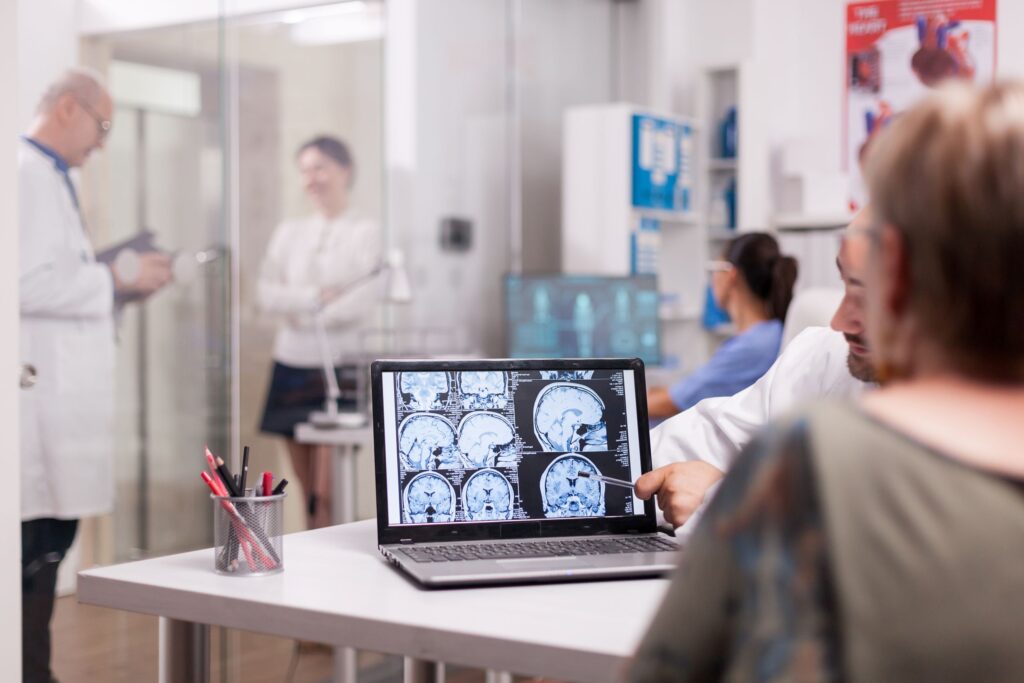
The diagnosis of stroke is based on a thorough clinical evaluation and diagnostic imaging tests:
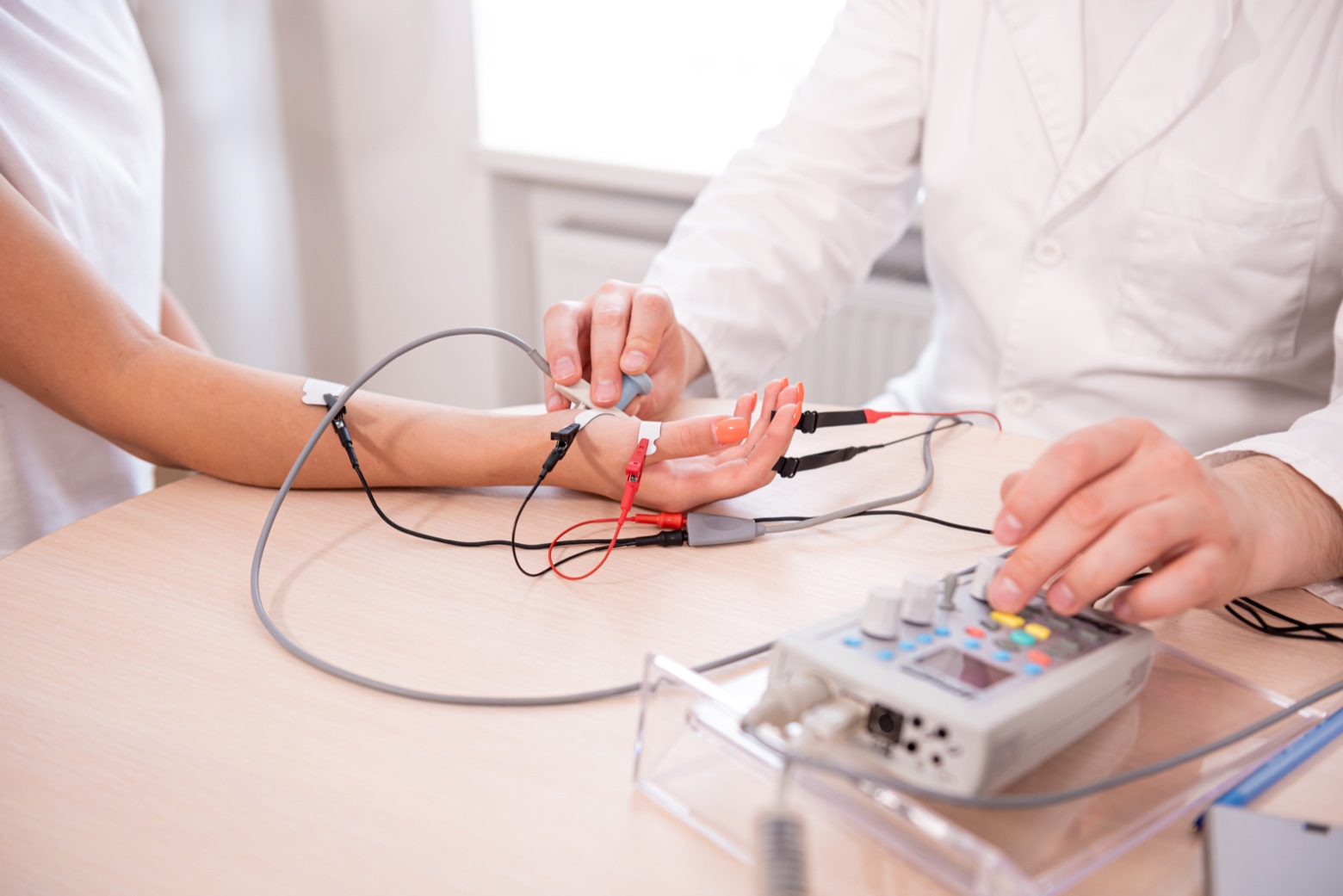
Clinical evaluation: the doctor will take a detailed medical history, including symptoms, medical background, and risk factors. They will also perform a physical and neurological examination to assess brain function.
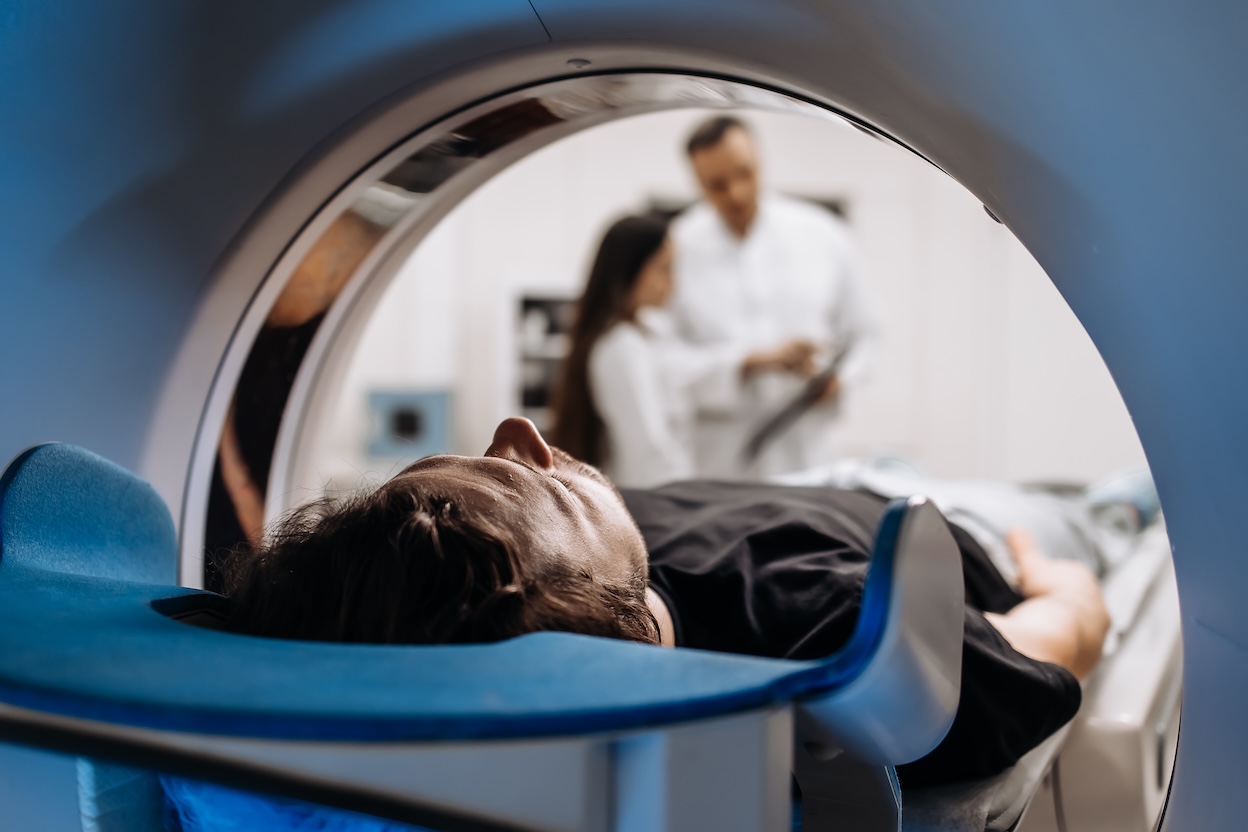
Computerized Tomography (CT scan): it allows for quick visualization of the brain and detection of hemorrhages.
Magnetic Resonance Imaging (MRI): it provides more detailed images of the brain and can detect areas of ischemic damage.
Cerebral angiography: it is used to visualize the blood vessels of the brain and identify blockages or aneurysms.
Electrocardiogram (ECG): to detect heart problems that may have caused the stroke.
Blood tests: to evaluate blood clotting, cholesterol, and other risk factors.
Stroke treatment
Stroke treatment focuses on restoring blood flow to the brain, controlling bleeding (in the case of a hemorrhagic stroke), and preventing future complications:
Medications: various medications are used to treat stroke, including thrombolytics to dissolve clots, antiplatelet drugs to prevent new clots from forming, anticoagulants, medications to control blood pressure, and others to address specific symptoms.
Endovascular procedures: these minimally invasive procedures are performed by inserting a catheter through an artery, usually in the groin or arm, until it reaches the brain. Mechanical thrombectomy is used in ischemic strokes to remove blood clots that block cerebral arteries. Aneurysm repair, on the other hand, is used in cases of hemorrhagic stroke to seal the ruptured aneurysm and stop the bleeding.
Rehabilitation: it is crucial for recovery after a stroke. It includes physiotherapy to regain mobility and strength, occupational therapy to relearn daily living skills, speech therapy to improve communication and swallowing, and psychological therapy to address emotional and cognitive problems.
Lifestyle changes: adopting a healthy lifestyle is essential to prevent future strokes. This includes quitting smoking, following a balanced diet, controlling blood pressure, cholesterol and diabetes, and exercising regularly.
Surgery: in some cases of hemorrhagic stroke or to treat cerebral aneurysms, surgery may be necessary. Hematoma evacuation involves draining the blood that has accumulated in the brain to relieve pressure on brain tissue. Aneurysm clipping involves placing a metal clip at the base of the aneurysm to prevent it from rupturing.
Remember that this article is for informational purposes only and does not replace professional medical advice. If you suspect you are having a stroke, consult a specialist for an accurate diagnosis and a treatment plan tailored to your needs.
Our doctors
Contact and make an appointment with the professionals in this area