Skip to content
Cardiology

Hypertension

Hypertension is a major risk factor for heart disease and stroke that affects more than 1.28 billion adults worldwide.
Make an appointment in Cardiology

What is hypertension? 

Hypertension is a chronic condition in which the pressure of the blood against the walls of the arteries is too high. Imagine arteries as pipes that carry blood throughout the body. When the pressure inside these “pipes” is continuously elevated, the heart has to work harder to pump blood, which in the long term can damage the heart and other vital organs such as the kidneys, brain, and eyes. Hypertension is a major risk factor for cardiovascular diseases, such as heart attacks and strokes. 
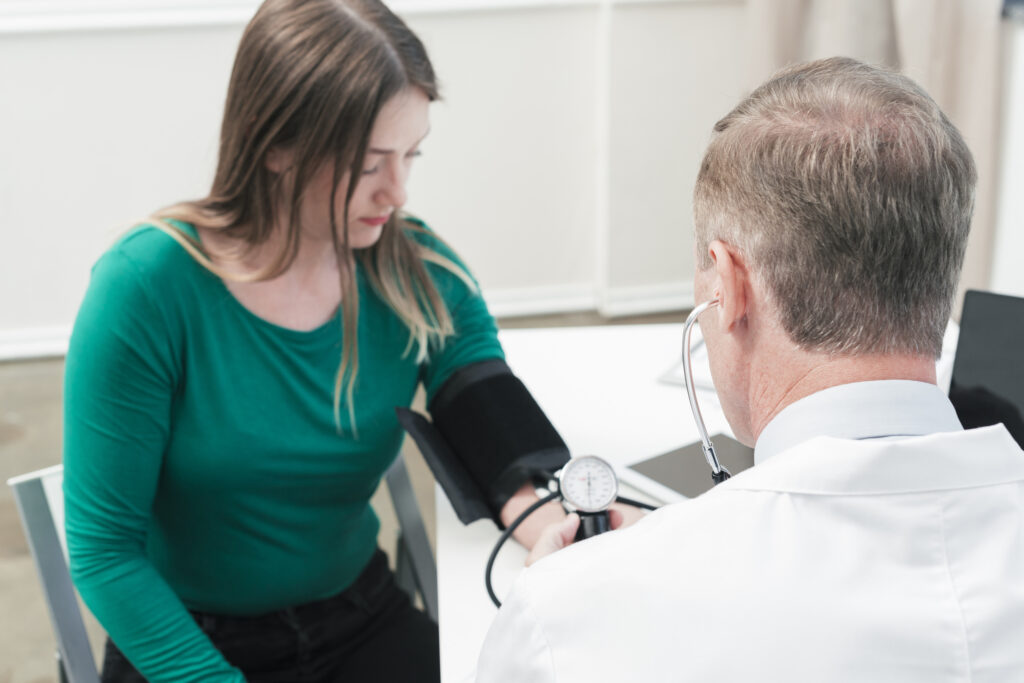
Control de tensión arterial en paciente

Symptoms of hypertension

Hypertension is known as the “silent killer” because it often has no symptoms, even when blood pressure levels are dangerously high. However, some patients may experience:

Headaches

especially in the morning. 

Dizziness

Blurred vision

Nosebleed

Shortness of breath

It is important to note that these symptoms may be caused by other conditions, so it is essential to monitor your blood pressure regularly. The absence of symptoms does not mean that hypertension is not dangerous. In fact, organ damage can occur silently for years. 

Types of hypertension 

Hypertension is mainly classified into two types: 

  • Primary (essential) hypertension: it is the most common type of high blood pressure and accounts for approximately 90–95% of cases. In primary hypertension, although the exact etiology is still unclear, we know several risk factors associated with its onset, including: age, obesity, a high-salt diet, a sedentary lifestyle, insufficient sleep, excessive alcohol consumption, pollution, family history, race 
  • Secondary hypertension:  it occurs as a consequence of another disease or condition, such as kidney disease, use of certain prescription or non-prescription medications, hormonal disorders, sleep apnea, among others. Identifying and treating the underlying cause is essential for controlling secondary hypertension. 

Causes of hypertension 

In most cases, a specific cause for high blood pressure cannot be identified, which is known as primary or essential hypertension. This form of hypertension is believed to develop gradually over time due to a combination of genetic and lifestyle factors. In some cases, hypertension is caused by an underlying medical condition, such as kidney disease or hormonal problems. This is known as secondary hypertension. 

 

Risk factors for hypertension 

Understanding the risk factors for hypertension is crucial for its prevention and management. Some risk factors are modifiable, meaning they can be changed through lifestyle modifications, while others are non-modifiable, such as age and family history. The following are some of the most common risk factors: 

  • Age: the risk increases with age. 
  • Family history: if you have family members with hypertension, your risk is higher. 
  • Overweight or obesity: excess weight increases the workload on the heart. 
  • Lack of physical activity: regular exercise helps maintain healthy blood pressure. 
  • Excessive salt consumption: a diet high in sodium can raise blood pressure. 
  • Tobacco consumption: smoking damages the walls of the arteries. 
  • Excessive alcohol consumption: alcohol can raise blood pressure. 
  • Stress: chronic stress can contribute to hypertension. 
  • Suffering from certain chronic diseases, such as diabetes and kidney disease.

Diagnosis of hypertension 

The diagnosis of hypertension is simple and is made by measuring blood pressure with a blood pressure monitor. Hypertension is considered to be present when the systolic blood pressure (the top number) is equal to or greater than 140 mmHg and/or the diastolic blood pressure (the bottom number) is equal to or greater than 90 mmHg on several measurements. 

Other additional tests may be necessary to assess the impact of hypertension on other organs and to rule out secondary causes: 

  • Electrocardiogram (ECG): it records the electrical activity of the heart to detect possible heart rhythm disturbances or signs of heart damage. 
  • Echocardiogram: it uses ultrasound to create images of the heart, allowing the evaluation of its structure and function. 
  • Blood and urine tests: to evaluate kidney function, cholesterol levels, and other variables that may be related to hypertension. 
  • Fundus of the eye: examination of the retina to detect signs of damage to the blood vessels. 

Treatment of hypertension 

The goal of hypertension treatment is to reduce blood pressure to healthy levels and prevent complications. The treatment plan is individualized according to each patient’s needs and may include: 

  • Lifestyle changes: adopt a healthy low-sodium diet, exercise regularly, maintain a healthy weight, limit alcohol consumption, and quit smoking. 
  • Drugs: if lifestyle changes are not enough to control blood pressure, the doctor may prescribe one of the following medications: diuretics, beta-blockers, ACE inhibitors (ACEIs), angiotensin II receptor antagonists (ARBs) or calcium antagonists. 
  • Surgery: this option is reserved for rare cases of secondary hypertension caused by an underlying condition, such as renal artery stenosis. 

Complications of hypertension  

If left uncontrolled, high blood pressure can have serious health consequences. Some of the most common complications include: 

  • Heart disease: heart attack, heart failure, angina pectoris. 
  • Stroke: high blood pressure can damage the blood vessels in the brain, increasing the risk of stroke. 
  • Chronic kidney disease: high blood pressure can damage the blood vessels in the kidneys, impairing their function. 
  • Vision problems: high blood pressure can damage the blood vessels in the eyes, causing vision problems and even blindness. 
  • Aneurysm: weakening and bulging of the artery walls, which can rupture and cause internal bleeding. 

Since hypertension often has no symptoms, it is essential to have regular blood pressure checks, especially if you have risk factors. 

Remember that this article is for informational purposes only and does not replace professional medical advice. If you suspect you have hypertension, consult a specialist to obtain an accurate diagnosis and an appropriate treatment plan tailored to your needs. 

Our doctors

Contact and make an appointment with the professionals in this area 

See cardiologists
Banner Specialties Mobile
facebookinstagramlinkedinxyoutubetravelgroupcalendar_todaysearchmenuclosemetabolismvolunteer_activismarrow_upinfo