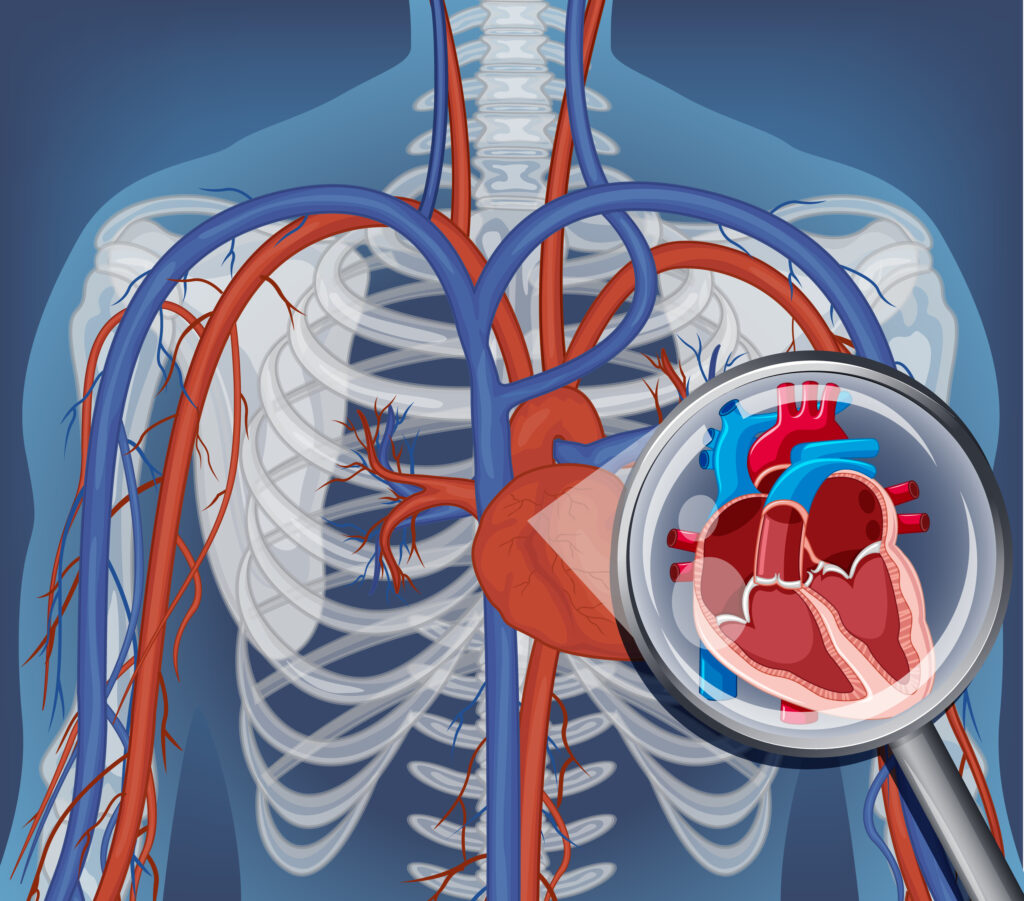
Eisenmenger syndrome is a rare disease that affects both the heart and lungs. It is characterized by an increase in pressure in the pulmonary arteries (pulmonary hypertension) and abnormal blood flow within the heart. Blood travels from the right side of the heart to the lungs to be oxygenated, and then returns to the left side of the heart to be pumped to the rest of the body.
In people with Eisenmenger syndrome, an uncorrected congenital heart defect in childhood allows blood to flow abnormally between the heart’s chambers, causing increased pressure in the pulmonary arteries. This high pressure damages the walls of the blood vessels in the lungs, making it difficult for blood to flow and reducing the amount of oxygen that reaches the rest of the body.
In essence, Eisenmenger syndrome is a serious complication of a heart problem present from birth. It is important to understand that this condition can have a significant impact on patients’ health and well-being, but with proper diagnosis and treatment, it is possible to improve their quality of life.
Symptoms of Eisenmenger syndrome
The symptoms of Eisenmenger syndrome can vary from person to person and depend on the severity of the disease. The following are some of the most common symptoms:
Cyanosis:
(bluish discoloration of the skin, lips, and nails).
Shortness of breath:
especially during exercise.
Fatigue.
Dizziness or fainting.
Chest pain.
Swelling in legs or ankles.
Irregular heartbeats:
(arrhythmias).
Acropachy/clubbing:
(drumstick fingers).
It is important to remember that these symptoms can be caused by other medical conditions. If you experience any of these symptoms, it is essential to consult a doctor for an accurate diagnosis.
Classification of Eisenmenger syndrome
Eisenmenger syndrome is classified according to the type of congenital heart defect that causes it: simple or complex. Understanding this classification is essential to determine the most appropriate treatment approach. The following describes some of the most common heart defects associated with Eisenmenger syndrome:
Ventricular septal defect (VSD): a hole in the wall (septum) that separates the two lower chambers (ventricles) of the heart. The hole occurs during pregnancy if the wall that forms between the two ventricles does not develop completely.
Atrial septal defect (ASD): a hole in the wall (septum) that separates the heart’s two upper chambers (atria).
Patent ductus arteriosus (PDA): an abnormal connection between the aorta and the pulmonary artery that does not close after birth.
Complex heart defects: combinations of multiple cardiac abnormalities.
Causes and risk factors of Eisenmenger syndrome
Eisenmenger syndrome is primarily caused by a congenital heart defect that was not corrected in childhood. These defects allow blood to flow abnormally between the heart chambers, leading to increased pressure in the pulmonary arteries. Over time, this elevated pressure damages the blood vessels in the lungs, making it more difficult for blood to flow through them and reducing the amount of oxygen delivered to the rest of the body.
However, there are other factors that can increase the likelihood of developing this condition. Some of these risk factors are described below:
Size and complexity of the congenital defect.
Genetic alterations.
Family history of congenital heart disease.
Exposure to certain substances during pregnancy (such as rubella, alcohol, or certain medications).
Living in developing countries with limited access to healthcare.
Eisenmenger syndrome can cause a number of serious complications, which can significantly affect patients’ quality of life and life expectancy. It is essential to be aware of these complications and seek medical attention immediately if they occur. Some of the most common complications include:
Heart failure: the heart cannot pump enough blood to meet the body’s needs.
Arrhythmias: irregular heartbeats that can cause fainting or sudden death.
Thrombosis: blood clot formation in the blood vessels, which can cause a stroke or a heart attack.
Hemorrhages: increased risk of bleeding due to abnormalities in blood clotting.
Infections: increased risk of infections, such as pneumonia, endocarditis, or brain abscesses.
Gout: due to increased uric acid.
Gallstones.
Kidney failure.
Sudden death.
Diagnosis of Eisenmenger syndrome
The diagnosis of Eisenmenger syndrome generally involves a thorough evaluation of the patient’s medical history, a physical examination, and a series of diagnostic tests. These tests help to confirm the presence of the disease, assess its severity, and rule out other possible causes of the symptoms. Below are some of the common diagnostic methods and procedures:
Physical examination: the doctor will look for signs of cyanosis, clubbing, and other symptoms associated with Eisenmenger syndrome.
Echocardiogram: this is the most important imaging test for diagnosing Eisenmenger syndrome. It allows for visualization of the heart’s structure, evaluation of the size and function of the heart chambers, measurement of pressure in the pulmonary arteries, and detection of the presence of heart defects. It is indicated in all people with suspected congenital heart disease and/or pulmonary hypertension.
Electrocardiogram (ECG): this test records the electrical activity of the heart and can help identify arrhythmias and signs of right ventricular overload. It is indicated to evaluate heart rhythm and detect possible complications.
Chest X-ray: this test can show the size and shape of the heart and lungs, as well as the presence of fluid in the lungs (pulmonary edema). It is indicated to evaluate the general condition of the lungs and heart.
Cardiac catheterization: this invasive test involves inserting a catheter into a blood vessel and guiding it to the heart to directly measure pressures in the different heart chambers and pulmonary blood vessels. It is indicated when an accurate assessment of pulmonary pressure and pulmonary vascular resistance is needed, and to rule out other causes of pulmonary hypertension.
Pulmonary function tests: these tests measure the lungs’ ability to exchange oxygen and carbon dioxide. They are indicated to evaluate lung function and rule out other lung diseases.
Blood tests: blood tests can help assess blood oxygen levels, detect signs of polycythemia (an increased number of red blood cells), and evaluate kidney and liver function. They are indicated to evaluate organ function and detect complications.
Cardiac magnetic resonance imaging (MRI): this imaging test provides detailed images of the heart and blood vessels, and can help assess right ventricular function and detect the presence of thrombi in the pulmonary arteries. It is indicated when a more detailed evaluation of the heart’s structure and function is needed.
At HM Hospitales we have specialized medical units composed of professionals from different specialties, providing comprehensive care to people with congenital heart disease.
Treatment of Eisenmenger syndrome
Treatment for Eisenmenger syndrome focuses on relieving symptoms, preventing complications, and improving quality of life. While there is no cure for this disease, there are several treatment options available that can help control symptoms and improve the prognosis. It is important to remember that treatment is individualized and depends on the specific needs of each patient. The following are some of the most common treatment options:
Medications such as vasodilators, anticoagulants, diuretics, antibiotics, and medications to control heart rhythm: vasodilators help relax the blood vessels in the lungs, reducing pulmonary blood pressure and facilitating blood flow. Anticoagulants help prevent the formation of blood clots, reducing the risk of thrombosis in the pulmonary arteries. Diuretics help reduce fluid retention in the body, relieving swelling and shortness of breath. Medications to control heart rhythm help regulate irregular heartbeats (arrhythmias), improving heart function and reducing the risk of complications. Antibiotics are used to prevent and treat infections, especially infective endocarditis.
Oxygen therapy: supplemental oxygen can help increase blood oxygen levels, relieving cyanosis and shortness of breath. It is administered through a nasal cannula or a mask.
Lifestyle changes: these include avoiding strenuous exercise (which can increase pressure in the pulmonary arteries and worsen symptoms), staying hydrated (dehydration can increase blood viscosity and increase the risk of thrombosis), avoiding high altitudes (which can decrease blood oxygen levels and worsen symptoms), and not smoking (which damages blood vessels in the lungs and worsens pulmonary hypertension).
Procedures: in some cases, phlebotomy may be necessary to remove blood to reduce the number of red blood cells and decrease blood viscosity. In addition, in rare cases, surgical correction of the underlying heart defect may be considered if the pulmonary hypertension is not too severe. In severe cases where other treatments are ineffective, heart and lung transplantation may be an option.
The healthcare team may include cardiologists, pulmonologists, hematologists, and other specialists. At HM Hospitales, our specialists work in a coordinated manner to provide comprehensive and personalized care to people with Eisenmenger syndrome.iagnóstico preciso y un plan de tratamiento adecuado a tus necesidades.
Remember that this article is for informational purposes only and does not replace professional medical advice. If you suspect you have Eisenmenger syndrome, consult a specialist to obtain an accurate diagnosis and an appropriate treatment plan tailored to your needs.
Our doctors
Contact and make an appointment with the professionals in this area