Epidemiology
Atrial fibrillation is the most common sustained cardiac arrhythmia in the general population. In Spain, the latest data indicate that in people over 40 years of age the prevalence of atrial fibrillation may be > 4%. The prevalence and incidence of atrial fibrillation have increased over time. The possible causes of this increase are the aging of the population, the increase in cardiovascular risk factors, and the improvement in survival rates for cardiovascular diseases.
What are arrhythmias?
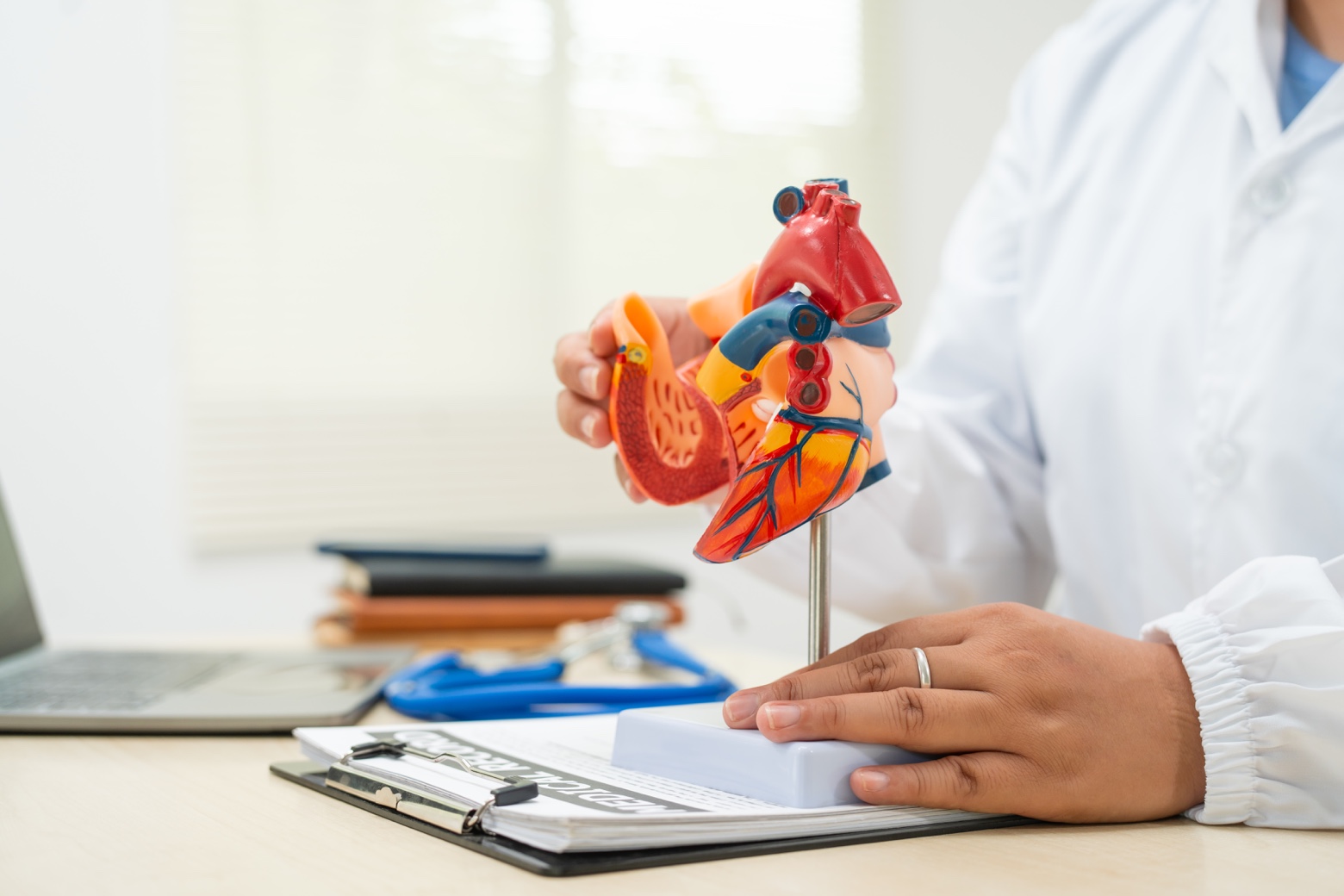
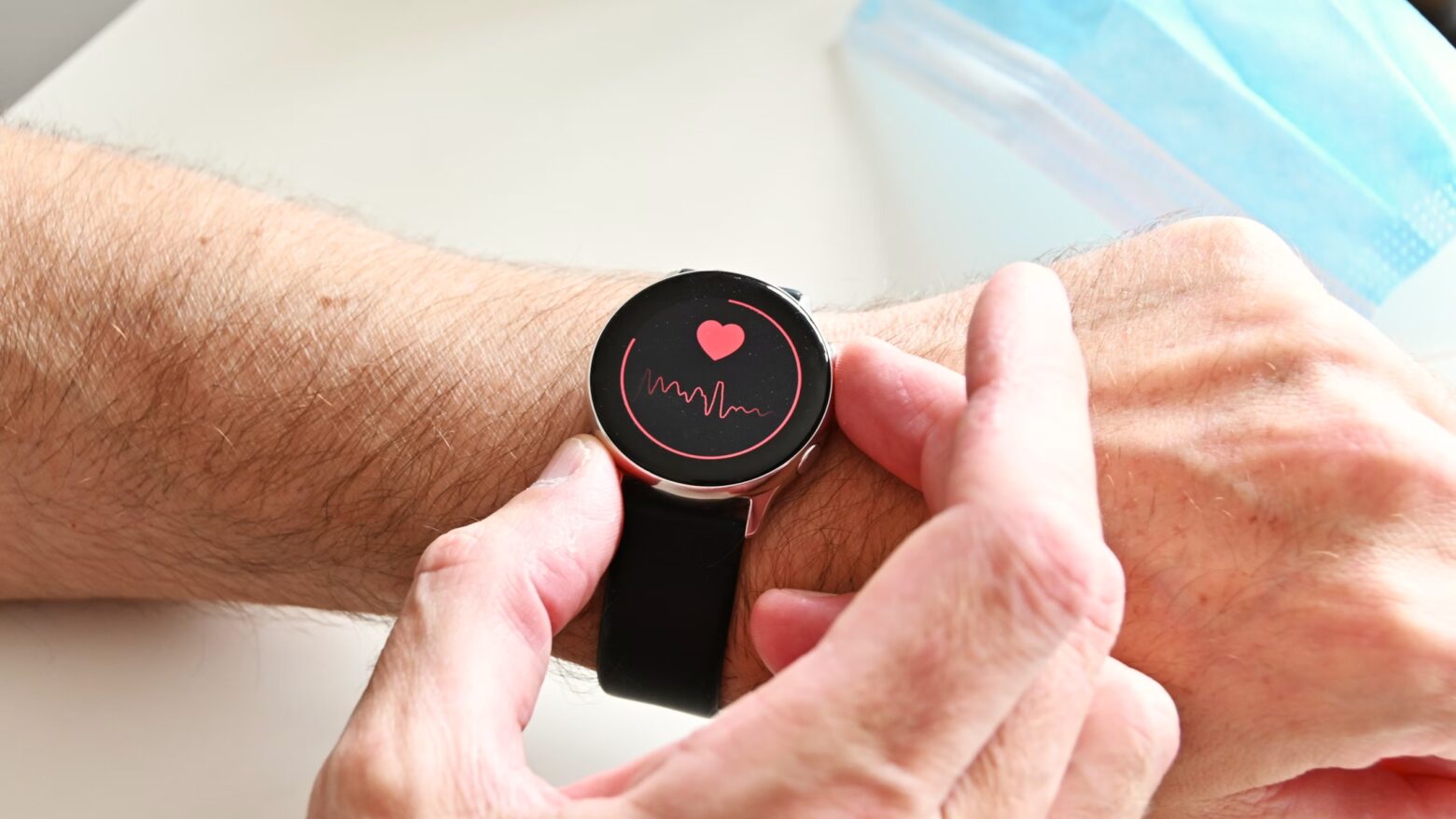
Cardiac arrhythmias are alterations in heart rhythm that affect millions of people worldwide. The heart, the engine of our body, beats at a regular and coordinated rhythm thanks to an internal electrical system. Cardiac arrhythmias occur when the electrical impulses that coordinate the heartbeats do not function properly. This can cause the heart to beat too fast, with a heart rate above 100 beats per minute (tachycardia), or too slow, with a heart rate below 60 beats per minute (bradycardia), or irregularly. An arrhythmia disrupts normal blood flow, affecting the heart’s ability to supply oxygen and nutrients to the body.
Palpitations:
sensation of fast, slow, strong, or irregular heartbeats.
Dizziness or lightheadedness.
Shortness of breath (dyspnea).
It is important to note that the severity and presentation of symptoms can vary significantly from person to person.
Types of arrhythmias
Cardiac arrhythmias are classified according to their origin and rate. This classification helps healthcare professionals determine the type of arrhythmia and the most appropriate treatment.
According to the speed of the heart rate:
- Tachycardia: accelerated heart rate (more than 100 beats per minute).
- Bradycardia: slow heart rate (less than 60 beats per minute).
According to their origin:
- Supraventricular: they originate in the atria or at the atrioventricular junction (the electrical connection point between the atria and ventricles). Examples include atrial fibrillation, atrial flutter, and supraventricular tachycardia.
- Ventricular: they originate in the ventricles. Examples include ventricular tachycardia and ventricular fibrillation.
Causes of arrhythmias
Arrhythmias can be caused by various factors, including pre-existing heart conditions (such as coronary artery disease or heart failure), electrolyte imbalances, drug or alcohol use, stress, and certain medications. In some cases, the underlying cause may not be identifiable.
Risk factors for arrhythmias
While anyone can experience a heart arrhythmia, certain factors can significantly increase the risk of developing one. Understanding these factors can help you take preventive measures and seek timely medical attention if necessary. Some of the most common are:
- Old age: the risk of arrhythmias increases with age due to the natural wear and tear of the heart’s electrical system.
- Heart disease: preexisting heart diseases, such as coronary artery disease (narrowing of the arteries that supply blood to the heart), heart failure (when the heart cannot pump enough blood), valvular heart disease (problems with the heart valves), and cardiomyopathies (diseases of the heart muscle), damage the structure and electrical system of the heart, increasing the risk of arrhythmias.
- Family history of arrhythmias: having a family history of arrhythmias implies a greater risk of developing them.
- High blood pressure: high blood pressure forces the heart to work harder, which can cause changes in the heart muscle and increase the risk of arrhythmias.
- Diabetes: high blood sugar levels can damage the nerves and blood vessels that control heart rhythm.
- Obesity: overweight and obesity increase the workload of the heart and can contribute to the development of arrhythmias.
- Tobacco consumption: tobacco damages the heart and blood vessels, increasing the risk of arrhythmias.
- Excessive alcohol consumption: excessive alcohol consumption can affect the heart’s electrical system and trigger arrhythmias.
- Stress: stress can release hormones that affect heart rhythm.
- Some medications: certain medications, such as some decongestants, can trigger arrhythmias.
- Electrolyte imbalances: abnormal levels of electrolytes, such as potassium and magnesium, which are essential for the electrical function of the heart, can cause arrhythmias.
- Sleep apnea: sleep apnea, a disorder in which breathing is repeatedly interrupted and resumed during sleep, can increase the risk of arrhythmias.
- Overactive or underactive thyroid gland.
- COVID-19 virus infection.
Complications of arrhythmias
Cardiac arrhythmias, if not treated properly, can lead to serious complications, such as:
- Heart failure: the heart cannot pump enough blood to meet the body’s needs.
- Stroke (ictus): atrial fibrillation, in particular, increases the risk of blood clots forming in the heart, which can travel to the brain and cause a stroke. A stroke is an interruption of blood flow to the brain.
- Sudden cardiac death: some ventricular arrhythmias can be fatal if not treated immediately.
Diagnosis of arrhythmias
The diagnosis of cardiac arrhythmias is based on the evaluation of the patient’s symptoms, a physical examination, and various diagnostic tests, including:
- Electrocardiogram (ECG): it is the most common test for diagnosing arrhythmias. The ECG records the electrical activity of the heart using electrodes placed on the chest, arms, and legs. This test makes it possible to identify abnormalities in heart rhythm and rate.
- Holter monitor: a portable device that records the electrical activity of the heart for 24 to 48 hours, allowing the detection of intermittent arrhythmias.
- Electrophysiological study: a procedure in which catheters are inserted through the veins into the heart to map its electrical activity and determine the origin of the arrhythmia.
- Various diagnostic imaging techniques: echocardiography and cardiac magnetic resonance imaging can provide important information about the structure and function of the heart. These tests can help identify underlying heart conditions that may contribute to the development of arrhythmias.
Treatment of arrhythmias
The treatment of cardiac arrhythmias varies depending on the type of arrhythmia, its severity, and the patient’s overall health. Treatment options include:
- Lifestyle changes: quitting smoking, reducing alcohol consumption, managing stress, maintaining a healthy weight, and exercising regularly.
- Medications: there are different types of antiarrhythmic medications that help control heart rhythm. Some examples include beta-blockers and sodium, potassium, and calcium channel blockers.
- Cardioversion: a procedure that uses a controlled electrical shock to restore a normal heart rhythm.
- Catheter ablation: a minimally invasive procedure in which a catheter is inserted into the heart to destroy the tissue causing the arrhythmia.
- Pacemaker: a small device that is implanted under the skin to help regulate heart rhythm, especially in cases of bradycardia.
- Implantable cardioverter defibrillator (ICD): a device that is implanted under the skin to detect and treat life-threatening ventricular arrhythmias, delivering shocks when necessary.
- Surgeries: surgical treatments include the Maze procedure, which creates a maze-like pattern of scar tissue to block abnormal electrical signals in atrial fibrillation, and surgical ablation performed during open-heart surgery to treat arrhythmias.
In some cases, a multidisciplinary approach involving cardiologists, electrophysiologists, and other specialists may be necessary.
If you suspect you may have a cardiac arrhythmia, it is crucial to seek medical attention. Early diagnosis and treatment can help prevent serious complications and improve your quality of life.
Prevention
Lifestyle changes used to manage heart disease can help prevent arrhythmias. Try these heart-healthy tips:
- Follow a diet low in salt and saturated fats.
- Exercise for at least 1 hour every day of the week.
- Maintain a healthy weight.
- Reduce and control stress.
- Control high blood pressure, high cholesterol, and diabetes.
- Sleep well. Adults should aim to sleep about 7 to 9 hours per day.
- Limit or avoid alcohol and caffeine.
HM Hospitales has a comprehensive monographic center in Cardiology which has an Arrhythmias and Electrophysiology department, directed by Dr. Jesús Almendral Garrote, and is equipped with long-term ambulatory recording devices that can be implanted subcutaneously. This department also has state-of-the-art robotic rooms for the diagnostic and therapeutic management of different types of cardiac arrhythmias.
Remember that this article is for informational purposes only and does not replace professional medical advice. If you suspect you have a cardiac arrhythmia, consult a specialist to obtain an accurate diagnosis and an appropriate treatment plan tailored to your needs.