Bradycardia deserves attention and understanding. Although it can be an indicator of good health in athletes, it can also be a sign of an underlying problem.
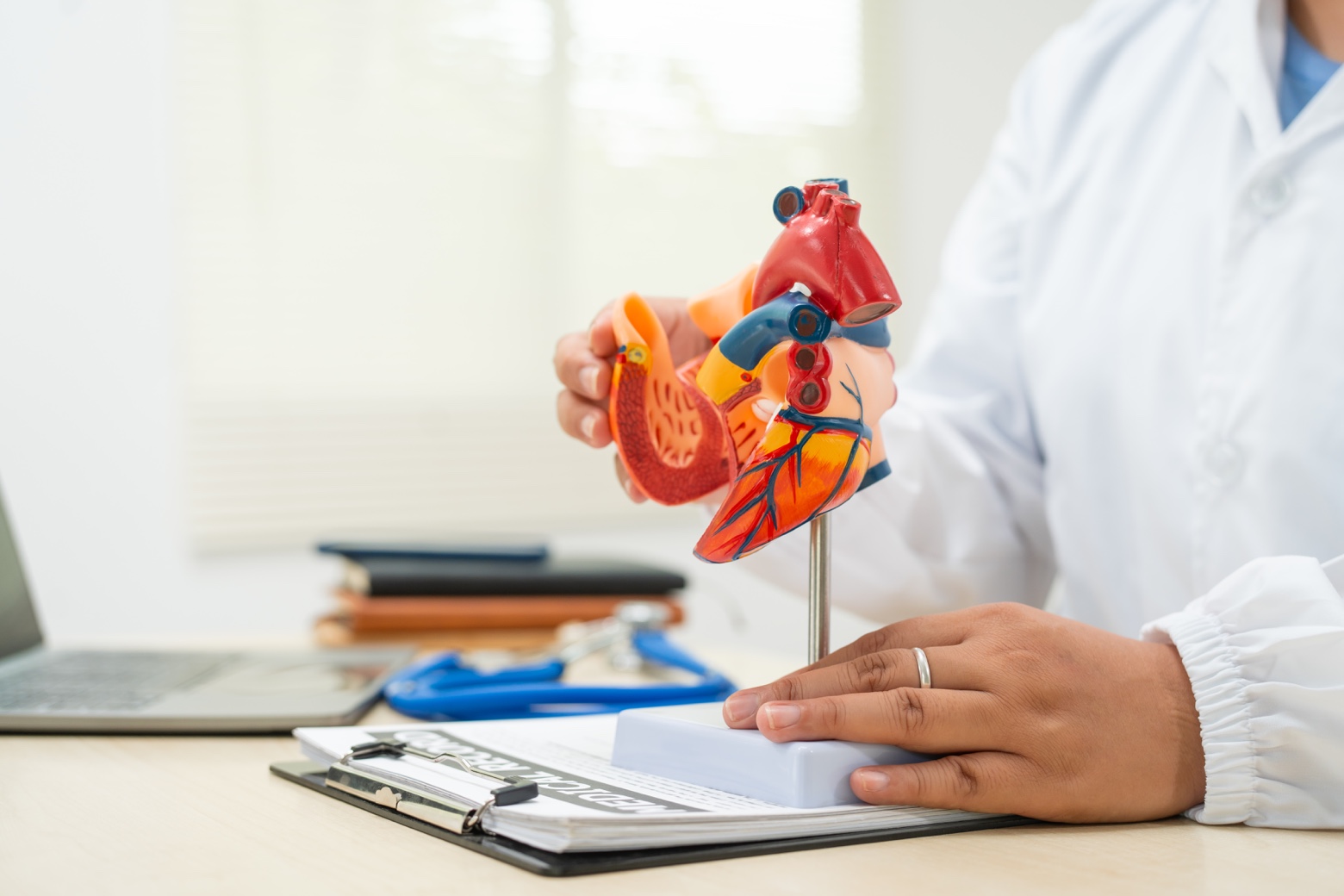
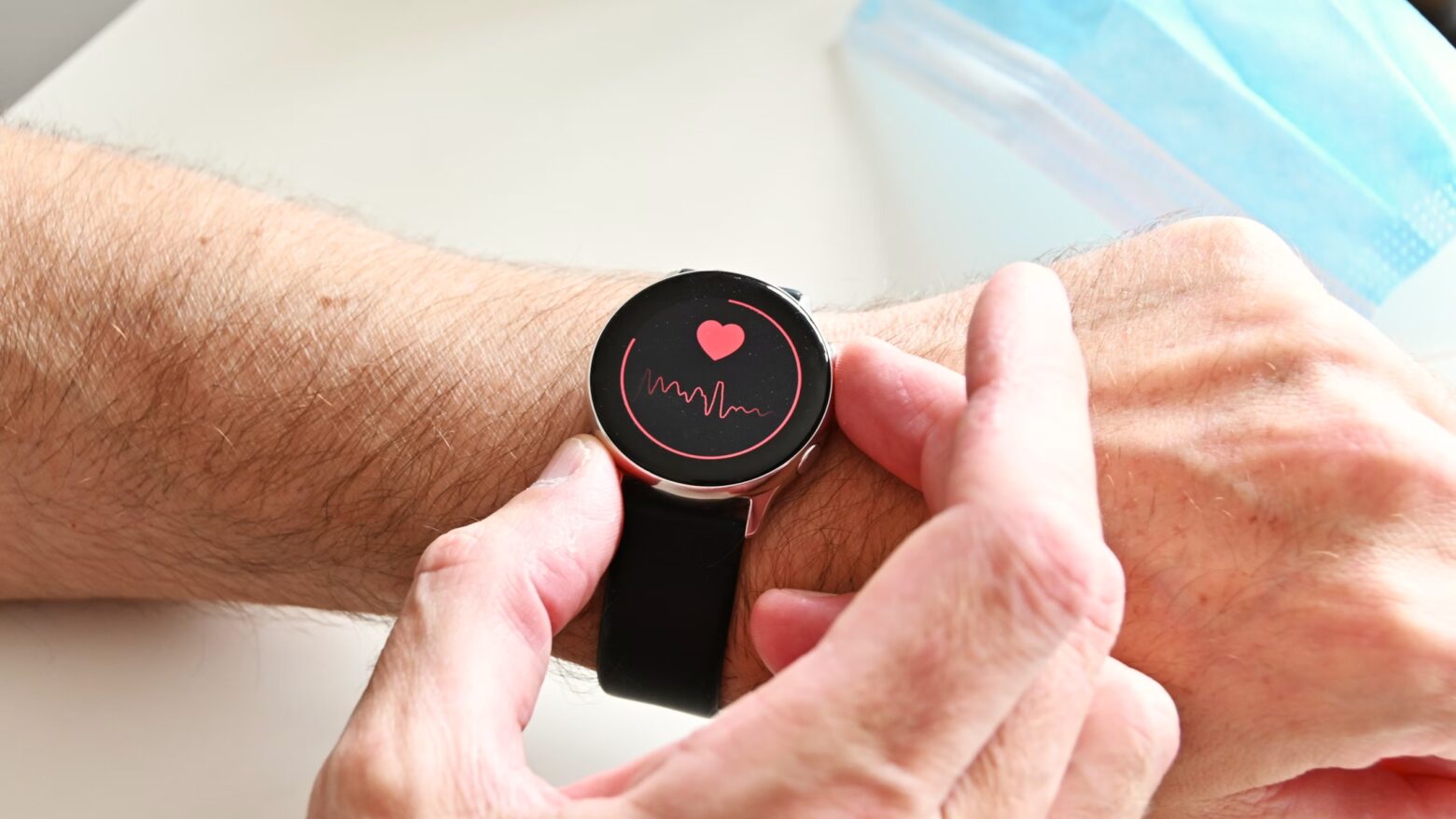
The heart, the muscle that pumps blood throughout our body, beats at a specific rhythm to ensure that every cell receives the oxygen and nutrients it needs. Bradycardia is defined as a resting heart rate of less than 60 beats per minute (bpm) in adults. This slow rhythm can, in some cases, compromise the adequate supply of oxygenated blood, which can trigger various symptoms.
Symptoms of bradycardia
Recognizing the symptoms of bradycardia is crucial for seeking timely medical attention. While some people experience no symptoms, it’s important to be aware of the following signs:
Dizziness or lightheadedness:
this is due to decreased blood flow to the brain, which can cause a feeling of unsteadiness.
Weakness or fatigue:
the lack of oxygen in the muscles produces tiredness and a general feeling of weakness.
Shortness of breath (dyspnea):
bradycardia can make it difficult for the blood to be properly oxygenated, leading to a feeling of shortness of breath.
Chest pain (angina):
when the heart does not receive enough oxygen, it may manifest as pain or pressure in the chest.
Fainting (syncope):
in more severe cases, reduced blood flow to the brain can cause fainting.
Confusion or memory problems:
a lack of oxygen in the brain can affect cognitive functions, causing confusion or difficulty concentrating.
Types of bradycardia
Understanding the different classifications of bradycardia helps us to better understand the condition and how to manage it. Bradycardia is classified according to its origin and severity:
Origin:
Sinus bradycardia: the sinus node, the heart’s natural pacemaker, slows its rate.
Bradycardia due to atrioventricular block: the transmission of electrical impulses from the atria to the ventricles is interrupted.
Drug-induced bradycardia: some medications can slow the heart rate as a mechanism of action or side effect.
Severity:
Mild: generally asymptomatic and does not require specific treatment.
Moderate: it may present mild symptoms and require medical follow-up.
Severe: it presents significant symptoms and may require medical treatment, which may be urgent.
Causes of bradycardia
Various factors can trigger bradycardia, from problems in the heart’s electrical system to underlying medical conditions. Knowing these causes allows us to better understand the complexity of the condition. Some of the most common causes of bradycardia are:
Problems in the sinus node: the sinus node, responsible for initiating the heartbeat, can be affected by various factors, such as age or disease.
Heart block: an interruption in the transmission of electrical impulses can affect the heart rhythm.
Medications: certain medications, such as beta-blockers, can lower heart rate as a side effect.
Hypothyroidism: an underactive thyroid gland can slow down bodily functions, including heart rate.
Heart disease: conditions such as coronary artery disease or heart failure can affect heart rhythm.
Sleep apnea: pauses in breathing during sleep can influence heart rate.
Genetic factors: genetic predisposition may increase the risk of developing bradycardia.
Identifying the risk factors associated with bradycardia allows us to take preventive measures and seek early medical attention. Some factors that increase the risk of developing bradycardia are:
Old age: aging can affect the function of the sinus node and the heart’s specific electrical system.
Family history of bradycardia: genetic predisposition may influence the development of the condition.
High blood pressure: high blood pressure can damage the heart and blood vessels.
Smoking: tobacco damages the heart and increases the risk of heart disease.
Diabetes: diabetes can damage the nerves that control heart rhythm.
Obesity: being overweight can increase the workload on the heart.
Sleep apnea: interruptions in breathing during sleep can affect heart rate.
Complications of bradycardia
It is important to know the possible complications of bradycardia in order to understand the importance of proper diagnosis and treatment. If left untreated, bradycardia can lead to:
Fainting (syncope): decreased blood flow to the brain can cause loss of consciousness.
Heart failure: the heart can weaken and not pump enough blood.
Angina: the heart may not receive enough oxygen, causing pain in the chest.
Diagnosis of bradycardia
An accurate diagnosis of bradycardia is essential to determine the best course of action. Doctors use various tests to diagnose bradycardia:
Medical history: the doctor will review your symptoms and medical history.
Physical examination: a physical examination will be performed, including auscultation of the heart and taking the pulse.
Electrocardiogram (ECG): it records the electrical activity of the heart and helps identify abnormalities in heart rhythm, such as bradycardia. This painless and quick test provides valuable information about heart rate and rhythm.
Holter monitor: this small, portable device is worn for 24 to 48 hours to continuously record the electrical activity of the heart. It is useful for detecting intermittent episodes of bradycardia that might not be evident on a standard ECG.
Stress test: this test is performed while the patient walks on a treadmill or pedals on a stationary bike. It assesses how the heart responds to exercise and can reveal exertion-induced bradycardia or a lack of adequate increase in heart rate during exercise.
Echocardiogram: this test uses sound waves to create images of the heart, allowing its structure and function to be evaluated. An echocardiogram can help identify underlying causes of bradycardia, such as problems with the heart valves or damage to the heart muscle.
Electrophysiological studies: a more invasive procedure in which catheters are inserted through the veins into the heart to map its electrical system and detect abnormalities in the initiation or propagation of the heart’s electrical impulse. It is a specialized test used to evaluate complex cases of bradycardia.
Bradycardia treatments
Treatment for bradycardia is tailored to the individual needs of each patient, taking into account the cause and severity of the condition. Treatment options include:
Lifestyle changes: quitting smoking, maintaining a healthy weight, following a balanced diet, and exercising regularly are crucial for improving heart health.
Medications: various drug groups can be used to treat bradycardia, including parasympatholytics or sympathomimetics.
Surgery: in cases of severe or persistent bradycardia that does not respond to other treatments, implantation of a pacemaker, a small device that is implanted under the skin, near the collarbone, may be considered. It sends electrical impulses to the heart to maintain a regular heart rhythm. It is an effective option for treating bradycardia caused by problems in the heart’s electrical system.
Cardioneuroablation: This is an innovative technique for the treatment of bradycardia. The heart is accessed through catheters inserted through the femoral vein. The influence of different ganglia located near the heart on heart rate is modified using radiofrequency.
Treatment and revascularization of coronary artery obstructions, which could be the cause of the bradycardia.
HM Hospitales has a Cardiac Electrophysiology Unit which is dedicated to the study and treatment of electrical abnormalities that occur in the heart, including bradycardia.
Remember that this article is for informational purposes only and does not replace professional medical advice. If you suspect you have bradycardia, consult a specialist to obtain an accurate diagnosis and an appropriate treatment plan tailored to your needs.
Our doctors
Contact and make an appointment with the professionals in this area