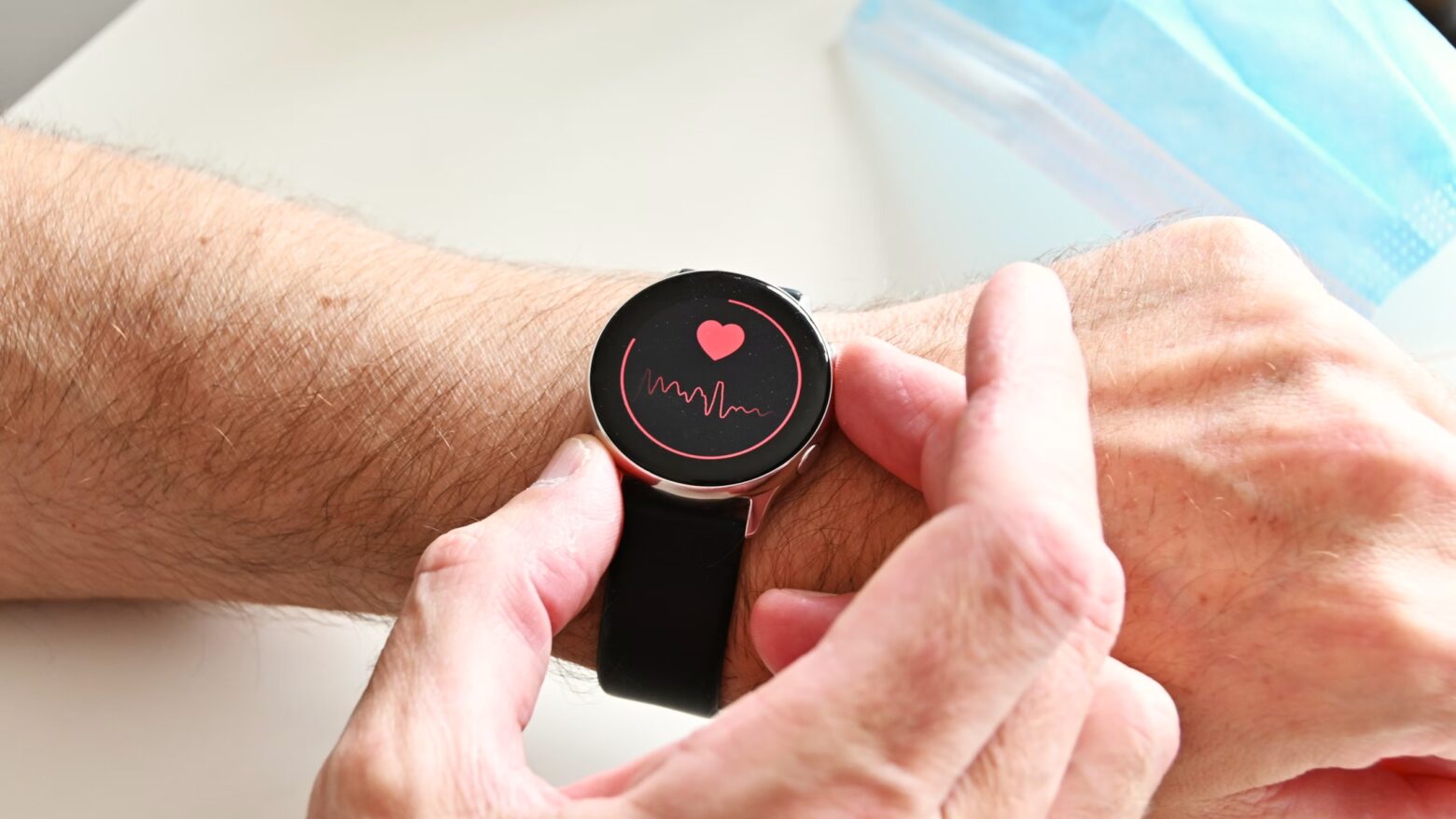
Atrial fibrillation (or atrial flutter) is a common heart rhythm disorder that affects millions of people globally. It is characterized by an irregular and often rapid heartbeat. This arrhythmia is caused by abnormal electrical activity in the atria, the two upper chambers of the heart. Normally, the atria contract in a synchronized manner to pump blood into the ventricles, the lower chambers. However, during an episode of atrial fibrillation, the electrical signals in the atria become disorganized, causing these chambers to quiver or fibrillate instead of contracting rhythmically. This irregular electrical activity can cause blood to stagnate, increasing the likelihood of blood clots forming. If a blood clot travels from the heart to the brain, it can obstruct blood flow and cause a stroke.
Symptoms of atrial fibrillation
The symptoms of atrial fibrillation can vary from person to person. While some people do not experience any symptoms, others may experience considerable discomfort. The most common symptoms include:
Palpitations
sensation of fast, strong, or irregular heartbeats.
Shortness of breath (dyspnea)
Extreme fatigue
Chest pain (angina)
Dizziness or lightheadedness
It can sometimes cause loss of consciousness (syncope).
The absence of symptoms does not imply that atrial fibrillation is benign. Even without showing symptoms, experiencing atrial fibrillation can increase the risk of having a stroke.
Types of atrial fibrillation
Atrial fibrillation is classified into different types according to the duration and pattern of the episodes:
Paroxysmal: the episodes begin and end suddenly and last less than 7 days, usually less than 24 hours. Often, the heart rhythm returns to normal on its own.
Persistent: episodes last more than 7 days and may require medical intervention to restore a normal heart rhythm.
Long-lasting persistent: atrial fibrillation continues for more than 12 months.
Permanent: atrial fibrillation is continuous, and no attempt is made to restore a normal heart rhythm. Treatment focuses on controlling heart rate and preventing complications.
Causes of atrial fibrillation
Atrial fibrillation is caused by a disturbance in the electrical system of the heart. Multiple erratic electrical impulses are generated in the atria, which compete with each other. This causes a disorganized and rapid contraction of the atria, preventing them from emptying completely into the ventricles. As a result, the heart rate becomes irregular and often accelerated.
Various conditions can trigger these abnormal electrical impulses, such as damage to atrial tissue caused by heart disease, high blood pressure, inflammation, stress, or alcohol or drug use. However, the exact cause of atrial fibrillation is often unknown.
Atrial fibrillation occurs due to alterations in the heart’s electrical signals, triggering rapid and uncoordinated atrial beats. There are several factors that increase the risk of developing it:
Old age: the risk of atrial fibrillation increases with age, being more common in people over 65 years old.
High blood pressure: high blood pressure can damage and dilate the walls of the atria, increasing the chance of atrial fibrillation.
Heart disease: various heart diseases, such as coronary artery disease, heart failure, and valvular heart disease, can damage atrial tissue.
Diabetes: Diabetes can damage the nerves and blood vessels that supply the heart, increasing the risk of atrial fibrillation.
Obesity: excess weight can put additional pressure on the heart and contribute to the development of atrial fibrillation.
Sleep apnea: this disorder, in which breathing is repeatedly interrupted during sleep, has been linked to an increased risk of atrial fibrillation.
Excessive alcohol consumption: excessive alcohol consumption can trigger episodes of atrial fibrillation.
Smoking: smoking damages blood vessels and increases the risk of heart disease.
Chronic pulmonary disease: lung diseases, such as chronic obstructive pulmonary disease (COPD), can affect heart function.
Hyperthyroidism: It can increase heart rate and contribute to the development of atrial fibrillation.
Family history of atrial fibrillation.
Intense sport: possibly related to increased size of the left atrium and fibrosis.
Complications of atrial fibrillation
Atrial fibrillation can increase the risk of developing the following complications:
Stroke: atrial fibrillation can cause blood clots to form in the atria, which can break off and travel to the brain, blocking blood flow. These clots can also travel to other parts of the body, potentially causing infarctions in different organs.
Heart failure: atrial fibrillation can weaken the heart over time, making it difficult for it to pump enough blood to meet the body’s needs.
Other heart problems: long-term atrial fibrillation can damage the heart muscle and increase the risk of developing other heart diseases.
Diagnosis of atrial fibrillation
The diagnosis of atrial fibrillation generally involves a complete medical evaluation, which includes a review of the patient’s medical history, a physical examination, and various diagnostic tests. Diagnostic tests may include:
Electrocardiogram (ECG): this is the main test for diagnosing atrial fibrillation. An ECG records the electrical activity of the heart and can show the irregular patterns characteristic of the condition. In some cases, a portable ECG (Holter) can be used to monitor heart activity over a longer period of time.
Echocardiogram: this test uses sound waves to create images of the heart, allowing its structure and function to be evaluated. It can help identify underlying heart problems that may be contributing to atrial fibrillation. It also helps us in making decisions about the most appropriate treatment.
Blood tests: blood tests can be performed to evaluate thyroid function, electrolyte levels, and other conditions that may be associated with atrial fibrillation.
Other tests: In some cases, other tests may be performed, such as a stress test.
Treatment for atrial fibrillation
Treatment for atrial fibrillation focuses on controlling the heart rate, restoring a normal heart rhythm if possible, and preventing the formation of blood clots to reduce the risk of stroke and embolisms (thrombi that have moved) to any other part of the body. Treatment options may include:
Lifestyle changes: adopting a heart-healthy lifestyle can help control atrial fibrillation and reduce the risk of complications.
Heart rate control: medications can be used to reduce heart rate and relieve symptoms such as palpitations and shortness of breath. Some examples include beta-blockers and calcium channel blockers.
Restoration of normal heart rhythm (cardioversion): electrical or pharmacological cardioversion can be used to restore a normal heart rhythm. Electrical cardioversion involves delivering a controlled electrical shock to the heart, while pharmacological cardioversion uses antiarrhythmic drugs.
Prevention of blood clots: anticoagulant medications can be used to prevent blood clots from forming and reduce the risk of stroke.
Catheter ablation: this minimally invasive procedure uses radiofrequency or cold energy to electrically isolate the areas of the heart that cause the abnormal electrical signals that trigger atrial fibrillation.
Surgery: in some cases, surgery for atrial fibrillation may be recommended. In cases where anticoagulation is indicated, but the patient cannot take it due to untreatable bleeding, left atrial appendage closure can be considered (a procedure performed by cardiac catheterization, through puncture of a vein located in the groin).
HM Hospitales has a Cardiac Electrophysiology Unit which is dedicated to the study and treatment of electrical abnormalities that occur in the heart, including atrial fibrillation.
Prevention of atrial fibrillation
While it is not always possible to prevent atrial fibrillation, there are measures that can reduce the risk of developing it or delay its onset. These measures are divided into two categories: screening and primary prevention.
Screening: It involves searching for atrial fibrillation in people who do not have symptoms. Routine assessment of heart rhythm is recommended in people over 65 years of age. This can be done by palpating the pulse or with an electrocardiogram (ECG). At HM Hospitales, we offer medical checkups that include heart rhythm assessment for early detection of atrial fibrillation.
Primary prevention: it focuses on controlling risk factors that increase the likelihood of developing atrial fibrillation.
Remember that this article is for informational purposes only and does not replace professional medical advice. If you suspect you may have atrial fibrillation, consult a specialist to obtain an accurate diagnosis and an appropriate treatment plan tailored to your needs. e puedes padecer fibrilación auricular, consulta con un especialista para obtener un diagnóstico preciso y un plan de tratamiento adecuado a tus necesidades.
Our doctors
Contact and make an appointment with the professionals in this area