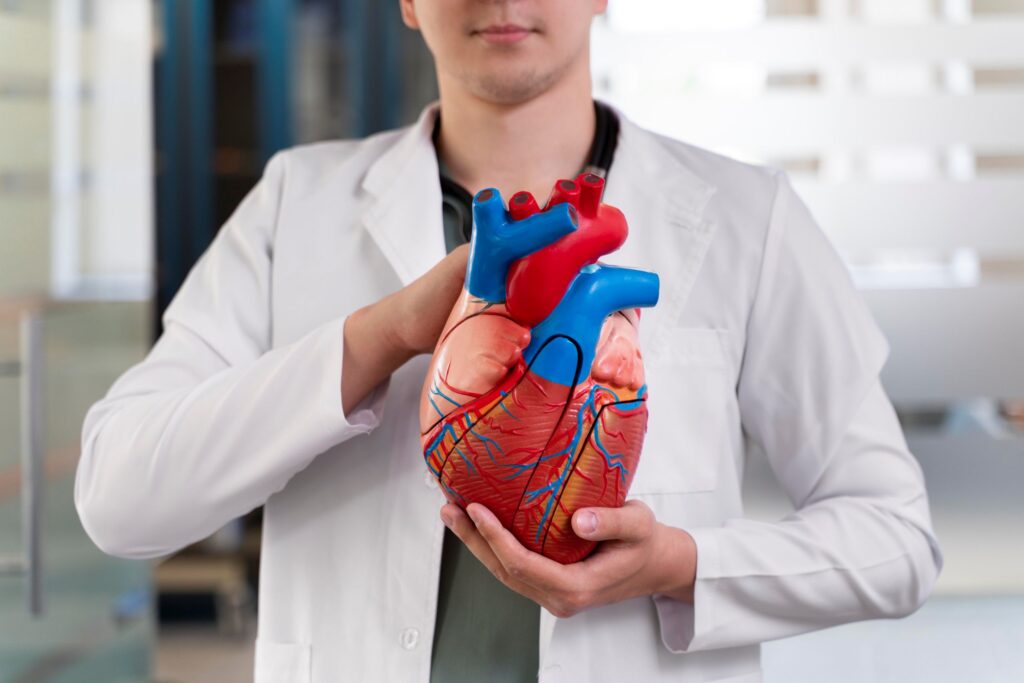
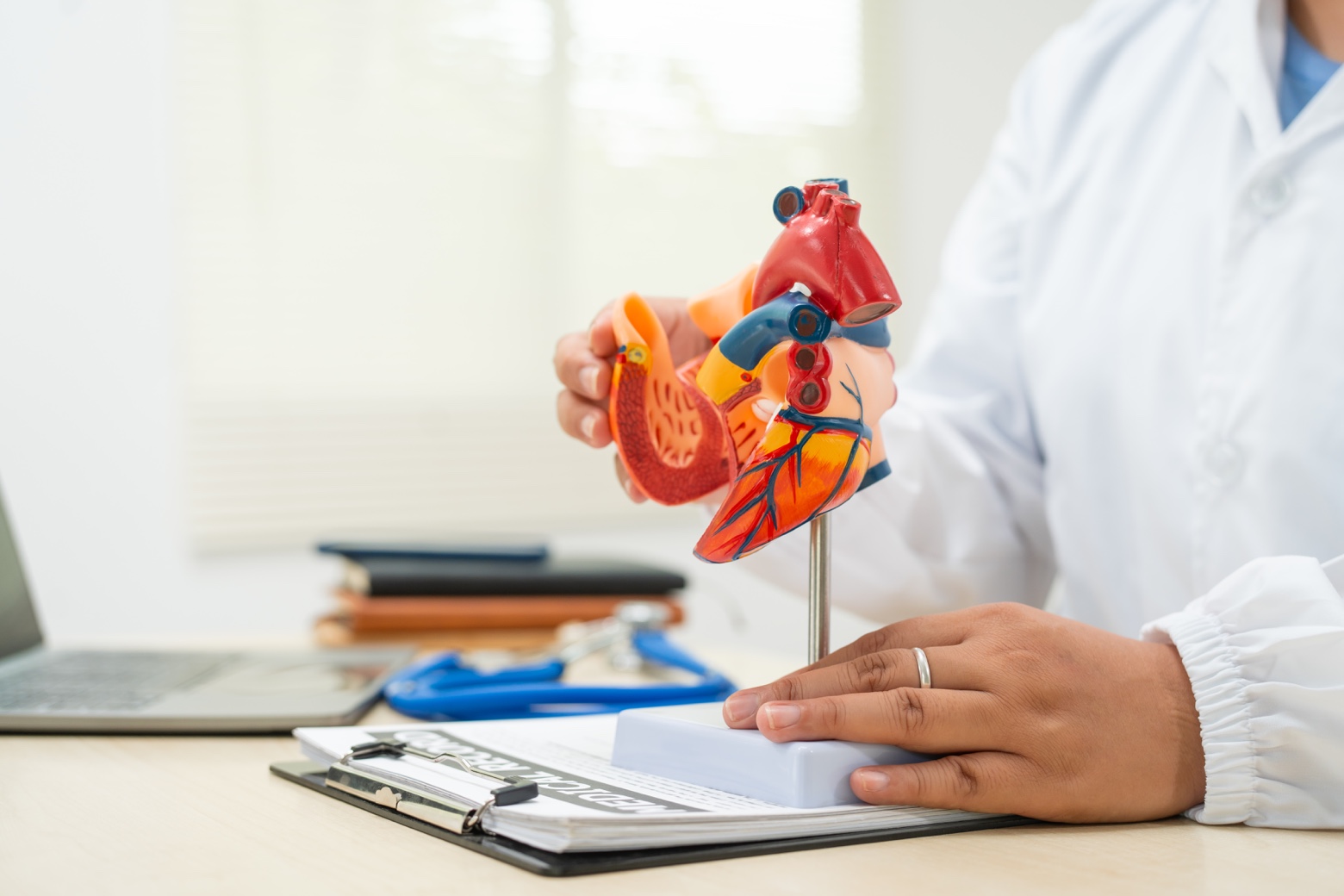
Myocardial infarction, commonly known as a ‘heart attack,’ is one of the leading causes of death worldwide. It occurs when blood flow to the heart is blocked, causing irreversible damage to the heart muscle. This blockage, usually caused by the formation of a blood clot over a cholesterol plaque in a coronary artery, deprives the heart of oxygen and nutrients, which can lead to the death of heart tissue. This process, known as ischemia, is the basis of myocardial infarction and its devastating consequences.
Atherosclerosis is the gradual buildup of plaque in the arteries, and this is the main underlying cause of the blockage. When the plaque ruptures, it triggers the formation of a clot that can completely obstruct the artery, preventing oxygen-rich blood from reaching the heart muscle. The resulting damage can weaken the heart and impair its ability to pump blood effectively, which can lead to serious complications such as heart failure, arrhythmias, and even death.
Symptoms of myocardial infarction
The symptoms of a myocardial infarction can vary from person to person, and may even differ between men and women. Some individuals may experience mild symptoms, while others may present more severe symptoms. It is crucial to recognize any possible warning signs and seek immediate medical attention. The initial symptoms can be subtle and easily confused with other conditions, such as indigestion or anxiety. These include:
Chest discomfort:
a feeling of pressure, tightness, pain, or burning in the center of the chest that lasts more than a few minutes or that disappears and returns.
Upper body discomfort:
pain or discomfort in one or both arms, the back, neck, jaw, or stomach.
Shortness of breath:
feeling of shortness of breath or difficulty breathing deeply.
As the myocardial infarction progresses, the symptoms may become more intense and include:
Cold sweat: excessive and sudden sweating.
Nausea: feeling of stomach upset and nausea.
Lightheadedness: feeling dizzy, weak, or loss of consciousness.
It is important to note that women are more likely to experience atypical symptoms, such as nausea, vomiting, back pain or jaw pain, rather than the classic chest pain. Anyone experiencing any of these symptoms should seek immediate medical attention.
Classification of myocardial infarction
Myocardial infarctions are classified based on the changes observed in an electrocardiogram (ECG) and the levels of certain cardiac enzymes in the blood. This classification helps doctors determine the extent of damage to the heart muscle and to guide treatment.
ST-segment elevation myocardial infarction (STEMI): this type of heart attack, often referred to as a ‘massive heart attack,’ is characterized by a complete blockage of a major coronary artery. The ECG shows a characteristic elevation of the ST segment, which is a specific part of the heart’s electrical waveform. STEMI usually causes significant damage to the heart muscle and requires immediate treatment to restore blood flow.
Non-ST-segment elevation myocardial infarction (NSTEMI): in this case, the blockage of the coronary artery may be partial or temporary. The ECG does not show ST-segment elevation, but may show other changes, such as ST-segment depression or T-wave inversion. NSTEMI generally causes less damage to the heart muscle than STEMI, but still requires urgent treatment.
Causes of myocardial infarction
The main cause of myocardial infarction is atherosclerosis, cholesterol and other substances in the walls of the coronary arteries. This buildup of plaque narrows the arteries and reduces blood flow to the heart. Over time, the plaque can harden and rupture, triggering the formation of a blood clot that can completely block the artery.
There are several risk factors that increase the likelihood of developing atherosclerosis and, consequently, of suffering a myocardial infarction. Some of these factors are modifiable, meaning they can be controlled through lifestyle changes, while others are non-modifiable, such as age and family history.
Modifiable risk factors:
Smoking.
High blood pressure (hypertension).
High cholesterol (hypercholesterolemia).
Diabetes.
Obesity.
Lack of physical activity.
Unhealthy diet.
Stress.
Non-modifiable risk factors:
Age (risk increases with age).
Family history of heart disease.
Sex (men have a higher risk than women).
Controlling modifiable risk factors can significantly reduce the risk of having a heart attack.
Complications of myocardial infarction
A myocardial infarction can have serious health consequences, both in the short and long term. Some of the most common complications include:
Heart failure: the damaged heart cannot pump enough blood to meet the body’s needs. This can cause fatigue, shortness of breath, and swelling in the legs and feet.
Arrhythmias: arrhythmias are irregular heartbeats. They can be mild or life-threatening. Some types of arrhythmias can increase the risk of stroke, which is an interruption of blood flow to the brain.
Rupture of the heart muscle: it is a rare but potentially life-threatening complication.
Pericarditis: it is the inflammation of the sac that surrounds the heart (pericardium). It can cause chest pain and other symptoms.
Sudden cardiac death: myocardial infarction can cause sudden death from cardiac arrest.
It is crucial to seek immediate medical attention if a heart attack is suspected to minimize the risk of complications.
Diagnostic tests for myocardial infarction
Accurate and timely diagnosis of a myocardial infarction is essential to start treatment as soon as possible and minimize damage to the heart. Doctors use a combination of tests to confirm the diagnosis:
Electrocardiogram (ECG): this test records the electrical activity of the heart. In a heart attack, the ECG may show specific changes that indicate damage to the heart muscle. These changes may include ST segment elevation (in the case of STEMI) or ST segment depression (in the case of NSTEMI). The ECG is a fundamental tool for quickly diagnosing a heart attack. It allows doctors to quickly identify the presence of ischemia or damage to the heart muscle.
Blood tests: blood tests are used to detect the presence of cardiac markers, proteins that are released into the bloodstream when the heart muscle is damaged. Troponin is the most widely used cardiac marker for the diagnosis of myocardial infarction. Their blood levels increase in the hours following a myocardial infarction and can remain elevated for several days. Other cardiac markers, such as creatine kinase (CK-MB), may also be useful for diagnosis. Blood tests are essential to confirm the diagnosis of myocardial infarction, especially in cases where the ECG is inconclusive. In addition to ECG and blood tests, other tests can be performed to assess heart damage and determine the best treatment strategy.
Coronary angiography: this invasive procedure uses a thin catheter that is inserted into an artery, usually in the groin or wrist, and guided to the coronary arteries. It allows visualization of the coronary arteries and detection of blockages by injecting a contrast dye into them, which allows them to be visualized on X-rays. HM Hospitales has several hemodynamics laboratories where anatomical and functional studies of the heart are performed by inserting thin catheters through the arteries and veins in the groin or arm.https://www.hmhospitales.com/especialidad/hematologia-y-hemoterapia/
Echocardiogram: this test can help assess heart function and detect areas of damage to the heart muscle. The echocardiogram shows the size and shape of the heart, the strength with which it pumps, and whether there are any problems with the heart valves.
Cardiac scintigraphy: this test uses a small amount of radioactive material to assess blood flow to the heart. The images can help identify areas with reduced blood flow.
Acting promptly when there are signs of a myocardial infarction is essential to begin appropriate treatment and minimize damage to the heart. At HM Hospitales, we have advanced technology and a specialized medical team for the diagnosis and treatment of myocardial infarction.
Treatment of myocardial infarction
The treatment for myocardial infarction focuses on restoring blood flow to the heart as quickly as possible to minimize damage to the heart muscle. Treatment options include:
Lifestyle changes: adopting a heart-healthy lifestyle is essential to prevent future heart attacks and improve overall heart health. Some important lifestyle changes include: quitting smoking, following a balanced diet, exercising regularly, and controlling blood pressure, cholesterol and chronic stress.
Medications: pharmacological treatment plays a crucial role in the management of myocardial infarction. Anticoagulants are used to prevent the formation of new clots and to stop the growth of existing clots, preventing coronary artery blockage from worsening. Antiplatelet drugs are also essential to prevent clot formation by inhibiting platelet aggregation. In some cases, thrombolytics are administered intravenously to dissolve clots blocking the coronary arteries and quickly restore blood flow. Beta-blockers are used to reduce heart rate and blood pressure, decreasing the workload of the heart and its oxygen demand. Nitroglycerin, administered sublingually, by spray, or intravenously, dilates the coronary arteries and improves blood flow to the heart. ACE inhibitors help relax blood vessels and lower blood pressure, while statins lower blood cholesterol levels to prevent plaque buildup in the arteries.
Percutaneous coronary interventions (PCI): PCI are minimally invasive procedures performed in a cardiac catheterization laboratory to open blocked coronary arteries. Balloon angioplasty involves inserting a catheter with a small balloon at its tip into the blocked coronary artery. When the balloon is inflated, the plaque is compressed against the artery wall, restoring blood flow. Often, after angioplasty, a stent, a small metal mesh tube, is placed in the artery to keep it open and prevent future blockages.
Coronary bypass surgery: in cases where PCI is not feasible or has not been successful, coronary artery bypass surgery may be necessary. This surgical procedure involves using a blood vessel from another part of the body, such as the leg or chest, to create a new pathway for blood to reach the heart, bypassing the blocked coronary arteries. This bypass allows blood flow to be restored to the heart muscle and improves its function.
The specific treatment for myocardial infarction will depend on the severity of the infarction and the patient’s overall health. At HM Hospitales, we offer a wide range of medical treatments for myocardial infarction. Our team of specialists is dedicated to providing the best possible care to our patients.
Remember that this article is for informational purposes only and does not replace professional medical advice. If you suspect you have any signs of myocardial infarction, consult a specialist to obtain an accurate diagnosis and an appropriate treatment plan tailored to your needs.
Our doctors
Contact and make an appointment with the professionals in this area