Next-generation sequencing (NGS)
What is next-generation sequencing (NGS)?
Next-generation sequencing (NGS), also known as high-throughput sequencing, is a set of DNA sequencing technologies that have revolutionized research and diagnosis in medicine. Unlike Sanger sequencing, which can only sequence a small amount of DNA at a time, NGS allows millions or even billions of DNA fragments to be sequenced simultaneously, drastically reducing sequencing time and cost.
What is this diagnostic procedure for?
Next-generation sequencing (NGS) is used for a wide variety of purposes, including:
- Oncology:
- Identifying genetic mutations that drive cancer growth.
- Selection of targeted therapies that address specific mutations in cancer.
- Monitoring the response to cancer treatment.
- Detection of drug resistance.
- Genetics:
- Diagnosis of hereditary genetic diseases.
- Identification of carriers of genetic diseases.
- Whole genome analysis.
- Microbiology:
- Identification of infectious microorganisms.
- Analysis of antibiotic resistance.
- Research:
- Study of genetic diversity.
- Discovery of new genes and mutations.
Benefits of advanced technology in NGS
Next-generation sequencing (NGS) offers a number of key benefits thanks to the technology it uses:
- High throughput: it allows for the sequencing of millions or even billions of DNA fragments simultaneously.
- High speed: it drastically reduces the time needed to sequence DNA.
- Low cost: it reduces the cost of DNA sequencing.
- High sensitivity: it enables the detection of rare or low-frequency mutations.
Comprehensive analysis: it allows multiple genes or even the entire genome to be analyzed in a single test.
What does the procedure involve?
The next-generation sequencing (NGS) procedure is generally carried out as follows:
-
Preparation:
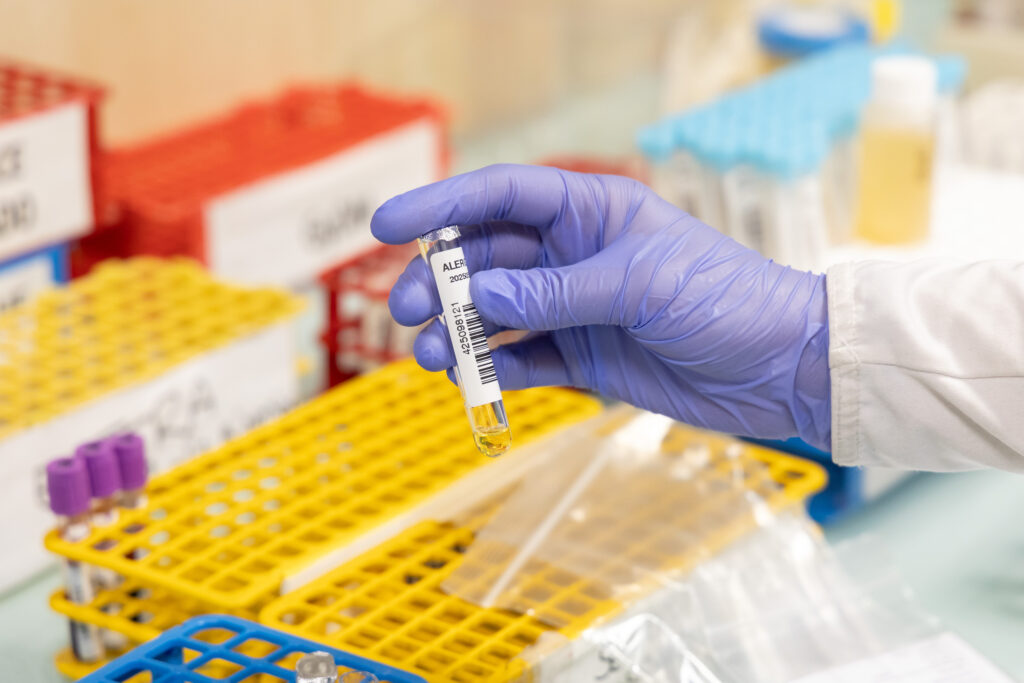
A DNA sample is required, which can be obtained from blood, tumor tissue, saliva, or other bodily fluids. You will be provided with specific instructions on how to collect the sample, if necessary. It is important to tell your doctor about all the medications you’re taking, including over-the-counter drugs and supplements.
-
During the procedure:
The sequencing process itself is performed in a specialized laboratory. You will not be present during this process. The laboratory will extract DNA from the sample, prepare a DNA library, perform sequencing, and analyze the data.
-
After the procedure:
Once the analysis is complete, your doctor will receive a report with the results. Your doctor will discuss the results with you and explain the implications for your health and treatment.
Recommendations for the procedure
Remember that it is important to adhere to the following recommendations to ensure the quality of the test and your comfort:
- Follow the sample collection instructions: carefully follow the instructions provided by your doctor or the laboratory staff for sample collection.
- Report medications: it’s important to tell your doctor about all the medications you’re taking, including over-the-counter drugs and supplements.
Are there any risks?
Next-generation sequencing (NGS) itself has no direct risks for patients, as it only requires a DNA sample. However, the test results can have significant implications for patients and their families, so it is important to discuss the possible results and their implications with a doctor.
To ensure your procedure runs smoothly, we ask that you arrive before the scheduled time. This will allow us to complete the necessary administrative and clinical preparation.
Before the procedure, we will give you the Informed Consent form, a document with important information that you must read and sign.
If your appointment is for an MRI, it is crucial that you inform us about the presence of pacemakers, metallic objects, prostheses (including dental prostheses), tattoos, or drug infusion devices such as insulin pumps.
These diagnostic tests are very safe, but as with any medical procedure, there is still the unlikely possibility of an incident.
Do you need to undergo this procedure?
Make an appointment