Liquid biopsy
What is a liquid biopsy?
A liquid biopsy is an advanced and minimally invasive technique that allows cancer to be analyzed using a sample of bodily fluids, such as blood, urine, or cerebrospinal fluid. This procedure detects fragments of circulating tumor DNA (ctDNA), circulating tumor cells (CTCs), or extracellular vesicles released by the tumor. It is a key tool in the diagnosis, monitoring, and personalization of cancer treatment.
What is this procedure for?
A liquid biopsy is primarily used for:
- Early diagnosis: It is used to detect genetic mutations related to cancer before symptoms appear.
- Clinical follow-up: It is used to monitor the evolution of cancer and evaluate the response to treatment.
- Relapse identification: It helps detect cancer recurrence after treatment.
- Personalized therapy: It is used to analyze the tumor’s molecular profile in order to adapt treatments to the specific characteristics of the patient.
- Metastasis studies: It is used to assess the spread of cancer to other parts of the body.
Benefits of the latest technology in robotic cancer surgery
The procedure analyzes samples of bodily fluids to detect cancer-related biomarkers. These biomarkers include circulating tumor DNA fragments, specific proteins, and tumor cells present in the blood. The data obtained allow genetic mutations to be identified, tumor heterogeneity to be studied, and its behavior to be monitored in real time.
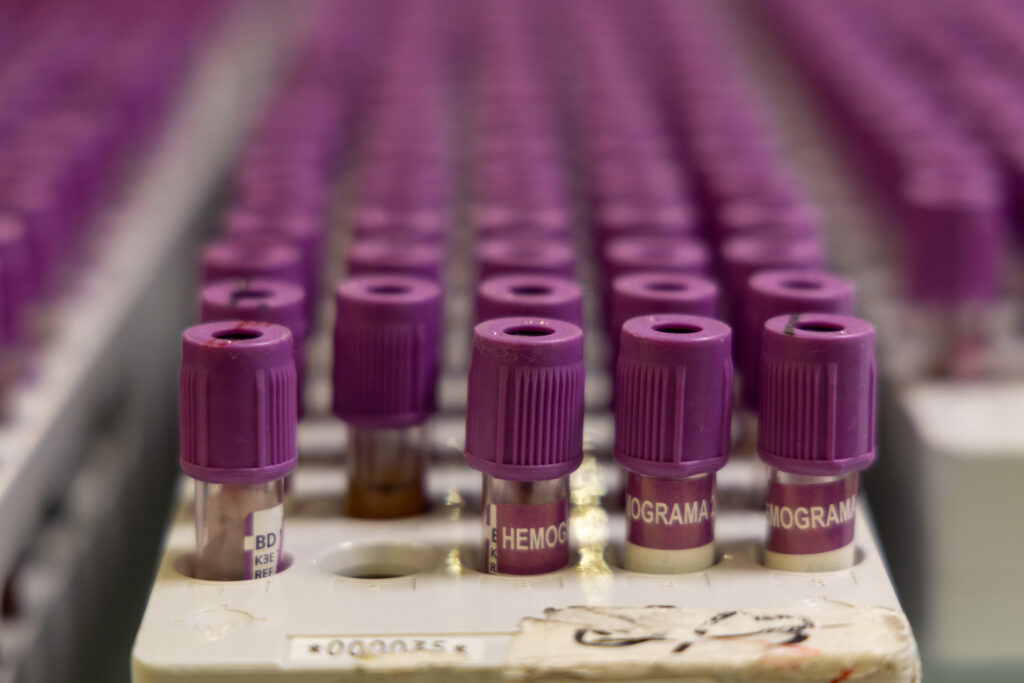
A liquid biopsy procedure involves:
-
Preparation:
During the initial consultation, your oncologist will review your medical history and analyze the results of previous tests, such as conventional biopsies or imaging studies. Next, you will undergo additional tests to identify the specific biomarkers that the liquid biopsy will seek to find.
-
During the procedure:
A small blood sample will be taken through a venipuncture. In some cases, other bodily fluids like urine or cerebrospinal fluid will also be analyzed. The sample will be processed in the laboratory using advanced techniques, such as genetic sequencing or digital PCR, to identify cancer-related biomarkers. The extraction takes between 5 and 10 minutes, while the analysis in the laboratory can take several days.
-
After the procedure:
You can resume your normal activities immediately after the sample is taken. The results will be analyzed and interpreted by a molecular oncology specialist and then sent to your treating physician. You will be advised to undergo regular liquid biopsies in order to monitor the progression of the cancer.
Recommendations for the procedure
In some cases, you will be advised to avoid eating for a few hours before the blood is taken. It is important that you inform your medical team if you are taking anticoagulants (blood thinners) or other medications that may affect the quality of the sample. In addition, be sure to follow all instructions carefully before, during and after the procedure to guarantee accurate results.
Are there any risks?
A liquid biopsy is a safe and minimally invasive procedure. However, there may be some minor considerations:
- Mild discomfort: You may experience mild pain or bruising at the site where the blood is drawn.
- Technical limitations: In some cases, the amount of biomarkers present in the sample may be insufficient for a complete analysis.
To ensure your procedure runs smoothly, we ask that you arrive before the scheduled time. This will allow us to complete the necessary administrative and clinical preparation.
Before the procedure, we will give you the Informed Consent form, a document with important information that you must read and sign.
If your appointment is for an MRI, it is crucial that you inform us about the presence of pacemakers, metallic objects, prostheses (including dental prostheses), tattoos, or drug infusion devices such as insulin pumps.
These diagnostic tests are very safe, but as with any medical procedure, there is still the unlikely possibility of an incident.