Central motor conduction study with TMS
What is a central motor conduction study with TMS?
A central motor conduction study using transcranial magnetic stimulation (TMS) is an advanced technique that assesses the functionality of the central nervous system, specifically the motor pathways. It uses non-invasive magnetic pulses to stimulate specific areas of the brain and measure the response in peripheral muscles. This procedure allows for the identification of alterations in motor conduction and the evaluation of the functional state of neuromotor pathways.
What is this procedure for?
Central motor conduction studies with TMS are primarily used in:
- Neurological diagnosis: to identify alterations in motor pathways related to diseases such as multiple sclerosis, spinal cord injuries, central neuropathies, among others.
- Assessment of movement disorders: it is used to analyze the impact of conditions such as Parkinson’s disease or dystonias in motor pathways.
- Clinical follow-up: it is used to monitor the evolution of neurological diseases and evaluate the effectiveness of treatments.
- Clinical research: it helps study brain plasticity and motor connections in different populations and pathologies.
Benefits of advanced technology in central motor conduction with TMS
TMS uses a device that generates brief, controlled magnetic pulses. These pulses stimulate specific areas of the brain, such as the motor cortex, and activate descending motor pathways. The response is measured using electrodes placed on peripheral muscles, allowing analysis of the speed and quality of motor conduction.
-
Preparation:
Before the procedure, your doctor will have a consultation with you to learn about your medical history and the symptoms you are experiencing. If you have previous tests, such as MRI scans or electromyographies, they will review them to obtain more information. On the day of the study, wear comfortable clothing without any metal components. Also, be sure to inform the medical team if you have a pacemaker, metal implants, or other electronic devices in your body.
-
During the procedure:
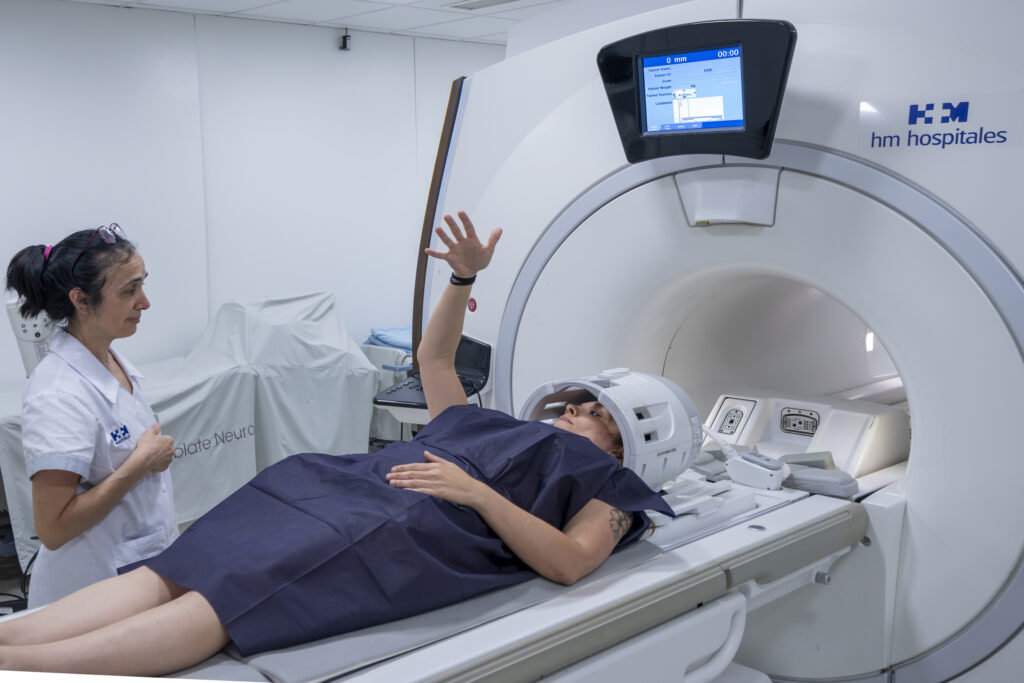
They will place you in a comfortable position, either sitting or lying down. Next, the doctor will use a magnetic stimulator to send pulses to the motor cortex of your brain. While this is happening, electrodes placed on your muscles will record the motor responses generated by the stimulation. The procedure usually lasts between 30 and 60 minutes.
-
After the procedure:
You can resume your normal activities immediately after the procedure. A neurophysiology specialist will analyze and interpret the results and send them to your doctor, who will explain the findings to you.
Recommendations for the procedure
Try to remain as still as possible during the procedure to ensure the accuracy of the results. In addition, follow all medical instructions before, during, and after the study.
Are there any risks?
The central motor conduction study with TMS is a safe and non-invasive procedure. However, there are some minor considerations:
- Mild discomfort: you may experience a tingling sensation or muscle contraction in the stimulated area.
- Mild headache: some people may experience temporary headaches after the procedure.
- Interference with electronic devices: TMS uses magnetic fields, so be sure to inform the medical team if you have any implanted electronic devices.
To ensure your procedure runs smoothly, we ask that you arrive before the scheduled time. This will allow us to complete the necessary administrative and clinical preparation.
Before the procedure, we will give you the Informed Consent form, a document with important information that you must read and sign.
If your appointment is for an MRI, it is crucial that you inform us about the presence of pacemakers, metallic objects, prostheses (including dental prostheses), tattoos, or drug infusion devices such as insulin pumps.
These diagnostic tests are very safe, but as with any medical procedure, there is still the unlikely possibility of an incident.