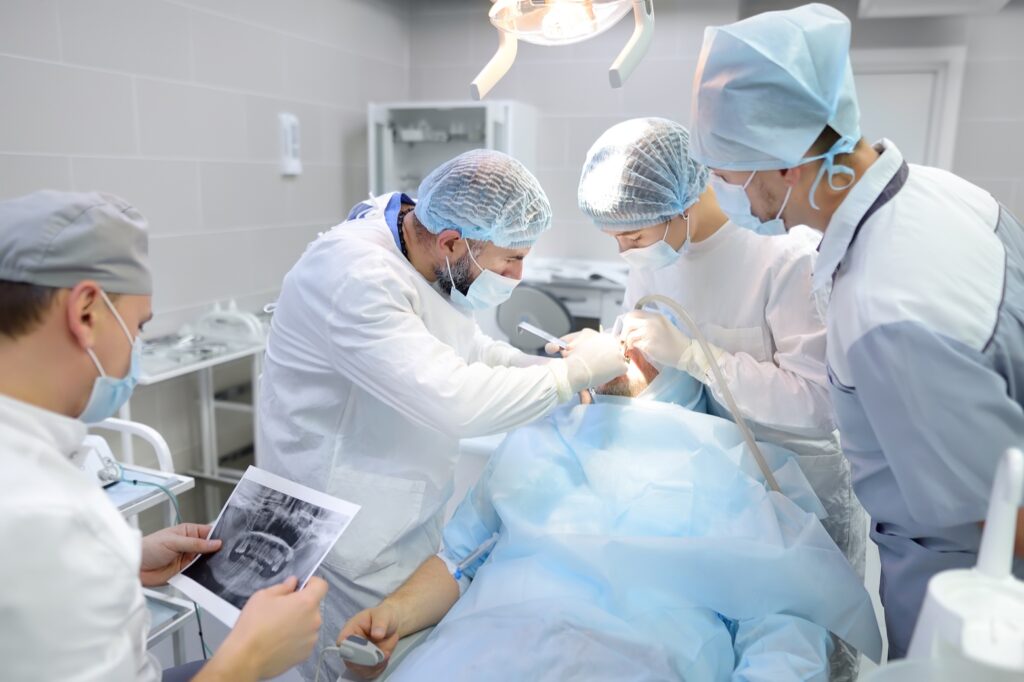
Jaw surgery, also known as orthognathic or maxillofacial surgery, is a surgical procedure aimed at correcting issues with the alignment of the jaw and upper jaw (maxilla).
This surgery not only improves facial aesthetics, providing a more harmonious smile and a balanced profile, but it can also address functional problems that affect quality of life, such as difficulty chewing, speaking, breathing, or even sleeping.
If you have undergone or are planning to undergo jaw surgery, it’s natural to wonder what the recovery will be like. This article explains what to expect after surgery and provides tips to make your recovery as quick and comfortable as possible.
Reasons to consider maxillofacial surgery
Before diving into recovery, it’s essential to understand what orthognathic surgery entails. This procedure involves making cuts in the jaw and/or maxilla bones to reposition them to improve their alignment. The surgery is performed through the mouth, which avoids visible scars on the skin.
The need for jaw surgery can arise for various reasons:
- Bite problems (malocclusion): The upper and lower teeth do not fit together correctly, causing difficulty chewing, speaking, or maintaining proper oral hygiene.
- Facial disproportion: When there is an imbalance in the size or position of the jaw or maxilla, which can affect facial harmony and impact self-esteem.
- Breathing problems: In some cases, jaw misalignment can obstruct the airways, leading to sleep apnea, snoring, or difficulty breathing through the nose.
- Pain and temporomandibular joint (TMJ) dysfunction: Orthognathic surgery can relieve pain and improve TMJ function in cases where joint problems are related to malocclusion.
What is the typical recovery like after maxillofacial surgery?

Recovery after jaw surgery is a gradual process that varies depending on the patient and the type of surgery performed. Factors such as the complexity of the procedure, age, general health, individual healing ability, and adherence to medical recommendations influence the time and manner of recovery.
Although each person experiences the postoperative period differently, most patients can expect a recovery that follows these phases:
- Hospitalisation: After surgery, you will remain in the hospital for 1 to 3 days to monitor your progress, administer intravenous medication to control pain and swelling, and ensure you can eat and hydrate properly.
- Swelling and bruising: It is expected to experience facial swelling, especially in the cheeks, around the eyes, and in the jaw area, as well as bruising. Swelling usually peaks 48-72 hours after surgery and gradually subsides over the following weeks.
- Pain: You may experience pain in the jaw, face, and mouth, which can be managed with painkillers. It is essential to take medication as prescribed by your doctor to avoid unnecessary discomfort and ensure your well-being during recovery.
- Soft diet: During the first few weeks, you must follow a soft or liquid diet to avoid straining the jaw and allow the bones to heal correctly. As the swelling decreases and the jaw recovers, you can gradually reintroduce more solid foods.
- Oral hygiene: Proper oral hygiene prevents infections and ensures proper healing. Your surgeon will provide specific instructions on how to brush your teeth, use dental floss, and rinse your mouth during the postoperative period.
- Limitation of physical activity: Avoid intense physical activity, heavy lifting, and contact sports for at least 6 weeks, or follow other medical instructions. The goal is to prevent sudden movements or impacts affecting the jaw.
Tips to speed up recovery after jaw surgery

After maxillofacial surgery, following your surgeon’s instructions for a successful recovery is essential. Additionally, some extra recommendations can help speed up the process and get you back to your routine as soon as possible. Here’s what you can do to feel better during recovery after jaw surgery:
- Rest: Feeling tired during the first few days after surgery is routine. Getting adequate rest allows your body to focus on recovery and healing. Sleep with your head elevated to reduce swelling and promote venous return.
- Apply cold compresses to swollen areas: During the first 2-3 days after surgery, use cold compresses on swollen areas. This will help reduce swelling, pain, and bruising. Remember to follow your doctor’s instructions regarding the duration and frequency of applications.
- Stay well-hydrated: Drinking plenty of water is key to staying hydrated, which promotes healing and helps prevent dry mouth. It also aids in digesting soft foods, which will be part of your diet during recovery.
- Follow a proper diet: A balanced diet rich in protein, vitamins, and minerals is essential to provide your body with the nutrients it needs to recover and strengthen. Opt for soft, easy-to-chew foods like purées, soups, and smoothies.
- Be patient with your recovery: Recovery after jaw surgery takes time. Don’t be discouraged if you don’t see immediate results; every slight improvement is a step toward your ultimate goal: a healthy, functional, and aesthetic smile. Remember, patience is part of the process.
- Communication: Don’t hesitate to contact your surgeon or medical team if you experience severe pain, excessive bleeding, fever, persistent swelling, difficulty breathing, healing problems, or other unusual symptoms.
Long-term benefits of maxillofacial surgery
Recovery after jaw surgery requires time and patience, but the long-term benefits make the process worthwhile. This surgery improves facial aesthetics and can transform your life in multiple ways. Below are some of its benefits:
- Improved chewing: Correcting the alignment of the jaw and maxilla makes it easier to chew food. This improves digestion and nutrient absorption, contributing to better overall health. If you’ve experienced difficulties eating, this surgery may be the solution you need to enjoy meals without discomfort.
- More straightforward speech: Proper alignment of the teeth and jaw improves pronunciation, speech clarity, and communication, both personally and professionally.
- Better breathing: In some cases, orthognathic surgery can improve nasal breathing by correcting issues in the upper airway. This leads to more restful sleep, fewer snoring episodes, and better oxygenation.
- Relief from TMJ pain and dysfunction: If you suffer from pain or problems in the temporomandibular joint, surgery can correct bite issues that cause these discomforts. Improving TMJ function can relieve pain when opening and closing the mouth and make chewing and other daily activities easier.
- Increased self-esteem: The benefits of this surgery go beyond functionality. Improved facial aesthetics and resolving functional issues can boost self-confidence, improve self-esteem, and enhance interpersonal relationships. Feeling good about yourself and enjoying a better quality of life are outcomes many patients experience after surgery.
Conclusion
Restore your oral health with maxillofacial surgery
Deciding to undergo maxillofacial surgery may seem daunting at first, but it’s important to remember that this intervention aims to improve your quality of life significantly. Not only will you be closer to the smile you desire, but you may also experience noticeable improvements in your oral health and overall well-being.
If you’re considering jaw surgery, having the correct information and support is crucial. Seek out experienced orthognathic surgeons who can address your concerns and guide you through every step of the process.
At HM Hospitales, we have a team of highly qualified maxillofacial surgeons with extensive experience in orthognathic surgery. We are passionate about what we do and are committed to providing you with the best possible care at every stage of the process.
Remember: This article is for informational purposes only and does not replace medical consultation. If you have any questions, consult a healthcare professional.