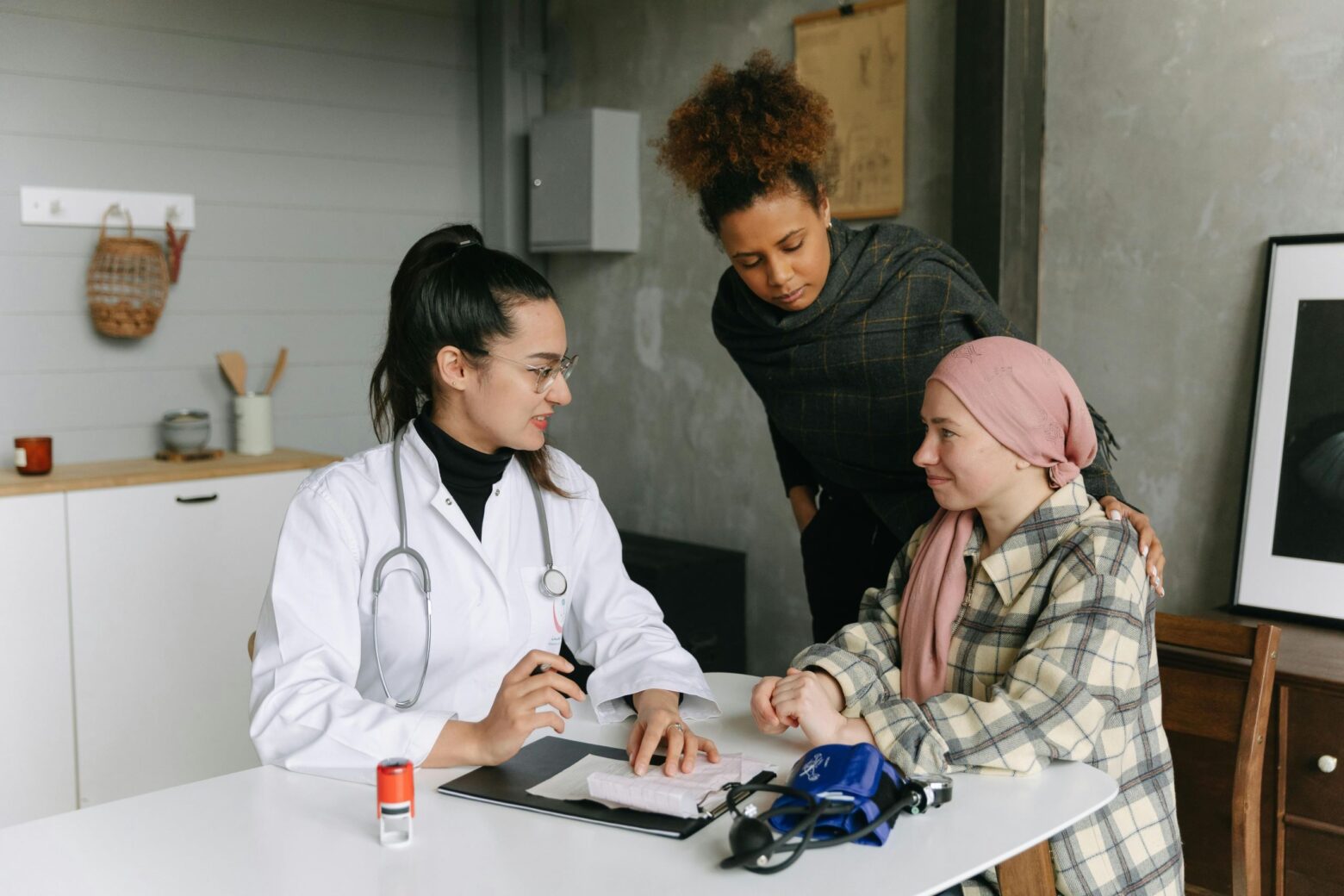
Breast cancer is one of the most common types of cancer among women in Spain. Although it cannot always be prevented, there are steps you can take to reduce the risk of developing it and improve the chances of detecting it at an early stage.
This article explains how to take care of your breast health and what signs to watch out for.
What is breast cancer?
Before discussing prevention, it’s essential to understand what breast cancer is. Breast carcinoma is the abnormal and uncontrolled growth of cells in breast tissue. There are several types of breast cancer, each with its characteristics:
- Ductal carcinoma in situ (DCIS): Limited to the milk ducts and has not spread to surrounding tissue.
- Invasive ductal carcinoma: The most common type. It begins in the milk ducts and can spread to other tissues in the body.
- Invasive lobular carcinoma: Originates in the milk-producing glands and can spread to other areas of the body.
- Inflammatory breast cancer: A rare and aggressive type that causes swelling and redness of the breast.
- Triple-negative breast cancer: An aggressive tumour that does not respond to traditional hormone therapies.
Understanding these types of breast cancer highlights the importance of early detection and prevention. The earlier the cancer is detected, the higher the chances of successful treatment.
Risk factors for breast cancer
Some risk factors for breast cancer cannot be modified, such as:
- Being a woman.
- Ageing.
- Family history of breast cancer.
- Genetic mutations (e.g., BRCA1 and BRCA2).
- Previous exposure to chest radiation.
However, there are other factors that we can influence:
- Being overweight or obese after menopause.
- Lack of physical activity.
- Alcohol consumption.
- Prolonged use of hormone replacement therapy.
Breast cancer prevention: healthy lifestyle habits

Preventing breast cancer starts with a healthy lifestyle. Adopting certain habits can help reduce your risk and improve your overall well-being. Below are some practical measures you can incorporate into your daily life to take care of your breast health:
- Maintain a healthy weight: Being overweight, especially after menopause, can increase estrogen levels, which raises the risk of breast cancer.
- Exercise regularly: Physical activity helps maintain a healthy weight and can reduce estrogen levels, potentially lowering the risk of breast cancer. Aim for at least 150 minutes of moderate or 75 minutes of intense weekly exercise.
- Limit alcohol consumption: Excessive alcohol consumption is linked to a higher risk of breast cancer. If you choose to drink, limit yourself to one daily drink in moderation.
- Follow a healthy diet: Prioritise foods like fruits, vegetables, whole grains, and lean proteins (chicken, fish, legumes), and limit processed foods and red meat.
- Avoid tobacco: Smoking is a general health risk. Although the link between smoking and breast cancer is not as straightforward as with other cancers, smoking is harmful to your overall health.
- Consider breastfeeding: If you have children, breastfeeding for at least six months may help reduce your risk of breast cancer.
- Limit hormone exposure: If you’re considering hormone replacement therapy for menopause, consult your doctor to weigh the risks and benefits.
Early detection: the key to a better prognosis
Early detection is crucial for improving treatment and survival rates. Breast cancer detected in its early stages has a much more favourable prognosis. That’s why knowing your body and being alert to any changes is essential.
Breast self-examination
Regular self-examinations can help you become familiar with your breasts and detect any unusual changes. Ideally, perform a self-exam once a month, preferably a few days after your period. Look for:
- Lumps or thickening in the breast or armpit.
- Changes in the size or shape of the breast.
- Dimpling or puckering of the breast skin.
- Changes in the nipple, such as inversion or discharge.
- Redness, scaling, or swelling of the breast skin.
Remember, most breast changes are not cancer, but it’s essential to have any abnormalities evaluated by a healthcare professional.
Mammograms and other screening tests
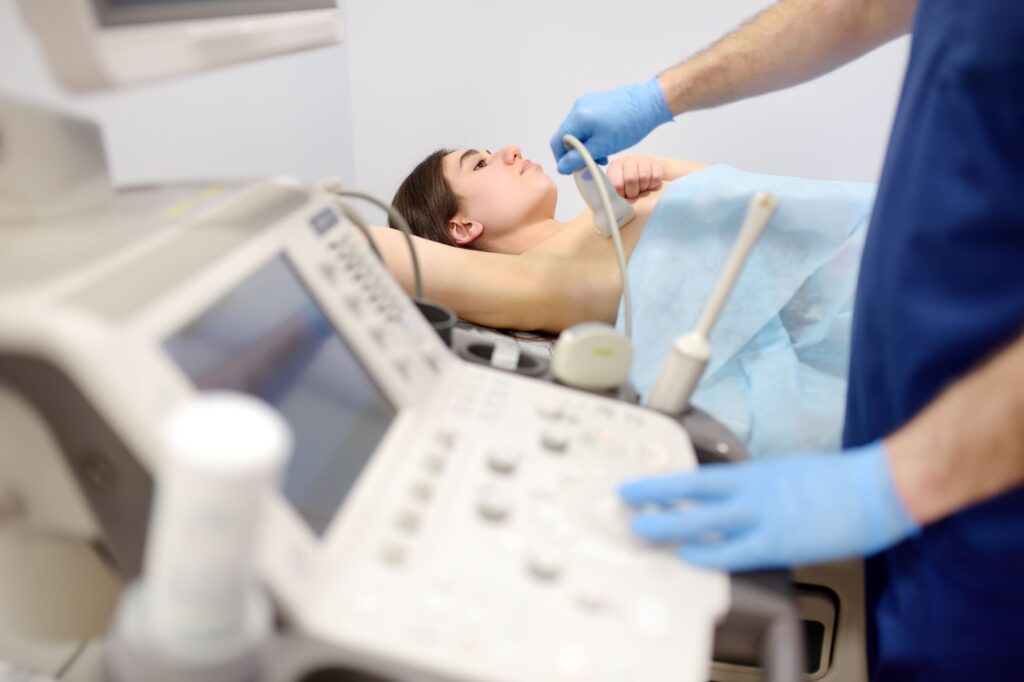
Regular mammograms are a crucial tool for early detection of breast cancer. In general, the recommendations are:
- If you’re between 40 and 49 years-old, talk to your doctor about when to start and how often you should have mammograms.
- If you’re between 50 and 74 years old, it’s recommended to have a mammogram every two years or annually if your doctor advises it.
- If you’re at high risk of breast cancer (e.g., due to family history or genetic mutations), you may need to start screening earlier and have it more frequently.
In addition to mammograms, other imaging tests such as breast ultrasound or MRI may be helpful in specific cases.
Early symptoms of breast cancer
Although early-stage breast cancer often doesn’t present symptoms, it’s important to be alert to the following signs:
- A new lump in the breast or armpit.
- Thickening or swelling of part of the breast.
- Irritation or dimpling of the breast skin.
- Redness or flaking of the nipple or breast skin.
- Nipple inversion or pain in that area.
- Nipple discharge other than breast milk.
- Any change in the size or shape of the breast.
- Pain in any area of the breast.
If you notice any of these symptoms, don’t panic, but it’s essential to consult your doctor as soon as possible.
Advances in breast cancer prevention
Research into breast cancer prevention and treatment continues to advance. Some promising developments include:
- Targeted therapies: Drugs that target specific characteristics of cancer cells.
- Immunotherapy: Treatments that help the immune system fight cancer.
- Improved genetic testing: To identify individuals at higher risk of developing breast cancer.
- Artificial intelligence: To improve the accuracy of mammogram interpretation.
At HM Hospitals, we are committed to offering the most advanced techniques in breast cancer prevention, diagnosis, and treatment.
The power of prevention is in your hands
It may seem obvious, but the power of prevention lies in your hands. Although we cannot prevent all cases of breast cancer, we can take steps to reduce our risk and detect it in its earliest stages. Adopting a healthy lifestyle, knowing your body, and having regular check-ups are fundamental to caring for your breast health.
Remember, your health is the most important thing. If you have any concerns about your risk of breast cancer or have noticed any changes in your breasts, don’t hesitate to consult our specialists at HM Hospitals. We are here to care for and provide you with the best possible medical attention.
Prevention and early detection are your best allies in the fight against breast cancer. Take care of your health because no one can defend you better than yourself.
Remember, this article is for informational purposes only and does not replace medical consultation. If you have any doubts, consult a healthcare professional.