
Running is one of the most popular, accessible, and healthy forms of exercise. From a light jog in the park to a marathon, running offers cardiovascular benefits strengthens the musculoskeletal system, and improves mood.
However, like any physical activity, it carries certain risks of injury. A proper focus on bodily care, correct technique, and actively listening to your body is key to enjoying running while minimising the risk of injury. In this article, we’ll explain the most common injuries among runners and provide tips to prevent and treat them, ensuring a healthy and enjoyable sporting practice.
Why Are Injuries So Common Among Runners?
Injuries in runners are frequent due to a combination of factors:
One of the most common is overtraining, a typical mistake among those looking to improve quickly. Excessive training puts the body under significant strain without giving it enough time to recover. Additionally, running long distances or increasing intensity too quickly can lead to overuse injuries.
Poor technique, such as bad posture or incorrect foot strike, also increases the risk of injury.
Lack of rest and insufficient recovery predispose the body to muscle fatigue and poor joint control, raising the likelihood of muscle tears and sprains.
Running regularly on hard surfaces exerts repeated impact on the joints, leading to pain and, over time, chronic injuries.
It’s essential to understand the importance of proper progression in training, allowing the body to adapt to increased load and to listen to the signals it sends. Pain is a sign of something wrong; ignoring it can worsen the situation and prolong recovery.
Plantar Fasciitis in Runners: Causes, Symptoms, and Prevention
Plantar fasciitis is an inflammation of the fibrous membrane that runs along the sole, from the heel to the toes. This tissue, known as the plantar fascia, supports the foot’s arch and absorbs impact when walking or running. In runners, plantar fasciitis is common due to repetitive stress on the fascia at the heel, which increases when wearing inadequate footwear or abruptly increasing training load or frequency.
Typical symptoms include heel pain, especially in the morning or when starting to walk, which improves after the first few steps, and stiffness in the foot’s arch. Diagnosis is usually based on a physical examination and the patient’s medical history. The doctor may palpate the plantar fascia to assess tenderness and the range of motion of the foot and ankle. In some cases, imaging tests such as X-rays or MRIs may be performed to rule out other conditions.
To prevent plantar fasciitis, it’s crucial to wear shoes with good arch support, regularly stretch the plantar fascia, avoid flat shoes, and perform specific exercises to strengthen the foot muscles. In some cases, orthotic insoles, physiotherapy, or corticosteroid injections may help reduce pain and speed up recovery.
Iliotibial Band Syndrome (ITBS): Causes, Symptoms, and Treatment
Iliotibial Band Syndrome (ITBS) is a common injury, especially among runners and athletes, causing pain on the outer side of the knee. This pain can become intense and affect the ability to run or engage in sports.
The iliotibial band is a connective tissue that runs from the hip to the tibia, crossing the knee. Its function is to help stabilise the leg while running or walking. In runners, the repetitive friction of the iliotibial band against the knee bone can cause inflammation and pain. The pain is often more intense when running downhill or increasing mileage. Diagnosis is typically based on a physical examination and the patient’s symptoms. The doctor may assess tenderness on the outer side of the knee and perform tests to evaluate the flexibility and strength of the hip and leg muscles.
Factors such as poor foot strike, faulty biomechanics (misaligned movements of the legs and hips), running on uneven or hard surfaces, and lack of flexibility in the iliotibial band can predispose runners to this injury.
Treatment for ITBS includes rest, ice, specific stretches for the iliotibial band, and strengthening exercises for the hip and leg muscles, supervised by a physiotherapist. In some cases, anti-inflammatory medications, corticosteroid injections to reduce inflammation, or custom orthotics to correct foot strikes may be necessary.
To prevent ITBS, it’s advisable to wear appropriate footwear, run on flat surfaces without slopes, and perform specific stretches for the iliotibial band. Additionally, strengthening the muscles of the back, hips, and legs can reduce tension in this structure, lowering the risk of inflammation and pain.
Achilles Tendinitis: How to Prevent and Treat This Injury
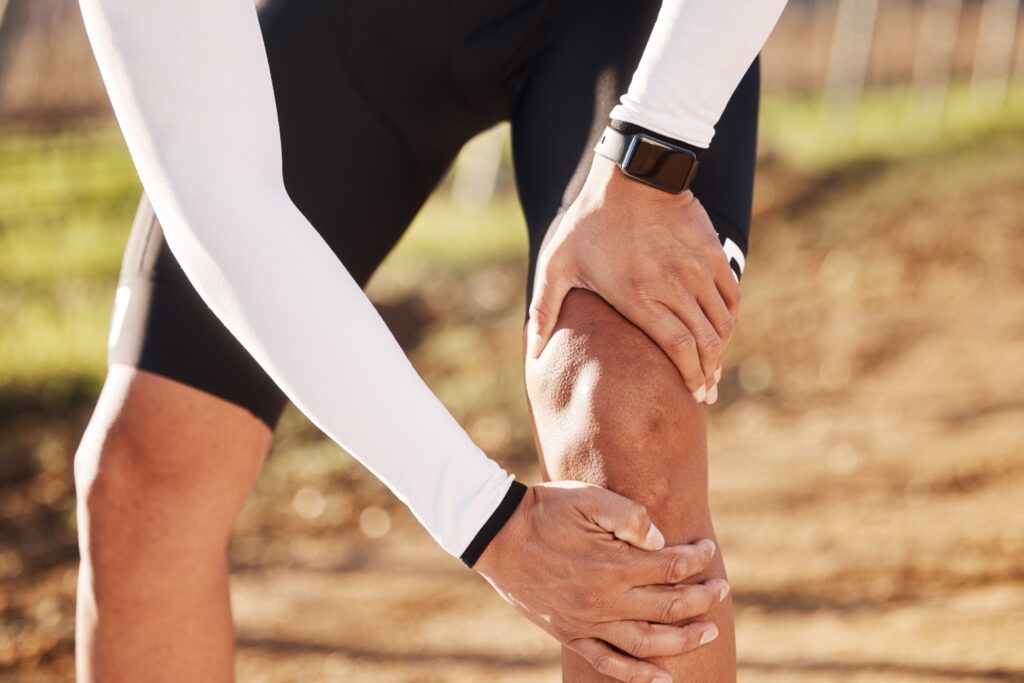
Achilles tendonitis is a common injury involving inflammation of the Achilles tendon, the largest tendon in the body, which connects the calf muscles to the heel bone. This injury is common among runners, and its causes are similar to those of other injuries: overuse, a sudden increase in training intensity, incorrect running technique, or inadequate footwear.
Symptoms include pain and tightness in the back of the heel, especially in the morning or after exercise. The pain may worsen when running uphill or during activities involving jumping.
Diagnosis is usually based on a physical examination, where the doctor assesses tenderness and thickness of the Achilles tendon. In some cases, imaging tests such as an ultrasound or MRI may be performed to confirm the diagnosis and assess its severity.
Preventing this painful injury is possible with some basic care:
- Strengthen the calf muscles: This helps reduce tension on the Achilles tendon.
- Stretch the tendon regularly: Incorporating specific stretches for the tendon can increase its flexibility and reduce the risk of inflammation.
- Wear appropriate footwear: Shoes with a heel can help decrease stress and tension on the Achilles tendon.
- Gradually increase training intensity: Avoid sudden changes in your training, as a rapid increase in workload is one of the leading causes of this injury.
- Avoid hard or uneven surfaces: Running on suitable terrain helps minimise impact on the tendon.
If you already have symptoms, treatment may include rest, ice to reduce inflammation, anti-inflammatory medications, heel lifts, physiotherapy, and, in severe cases, surgery.
Shin Splints: What Are They and How Do They Affect Runners?
Shin splints, known as “medial tibial stress syndrome,” involve inflammation of the periosteum, the shinbone membrane. This injury is common in runners, especially those who increase the intensity or duration of their training too quickly or run on hard surfaces. The pain felt along the front of the shin can be sharp or dull and worsen with physical activity.
Diagnosis is typically based on a physical examination and the patient’s medical history. The doctor will palpate the shinbone during the examination to assess tenderness and pain. In some cases, imaging tests such as X-rays or MRIs may be performed to confirm the diagnosis and rule out other conditions, such as stress fractures.
To prevent this injury, it’s essential to:
- Strengthen the calf muscles
- Wear appropriate footwear with good cushioning
- Progress gradually in training
Treatment includes rest, ice, anti-inflammatory medications, and stretching and strengthening exercises for the leg. Running on softer surfaces like grass or dirt can also help prevent shin splints.
Prevention Strategies to Avoid Common Running Injuries
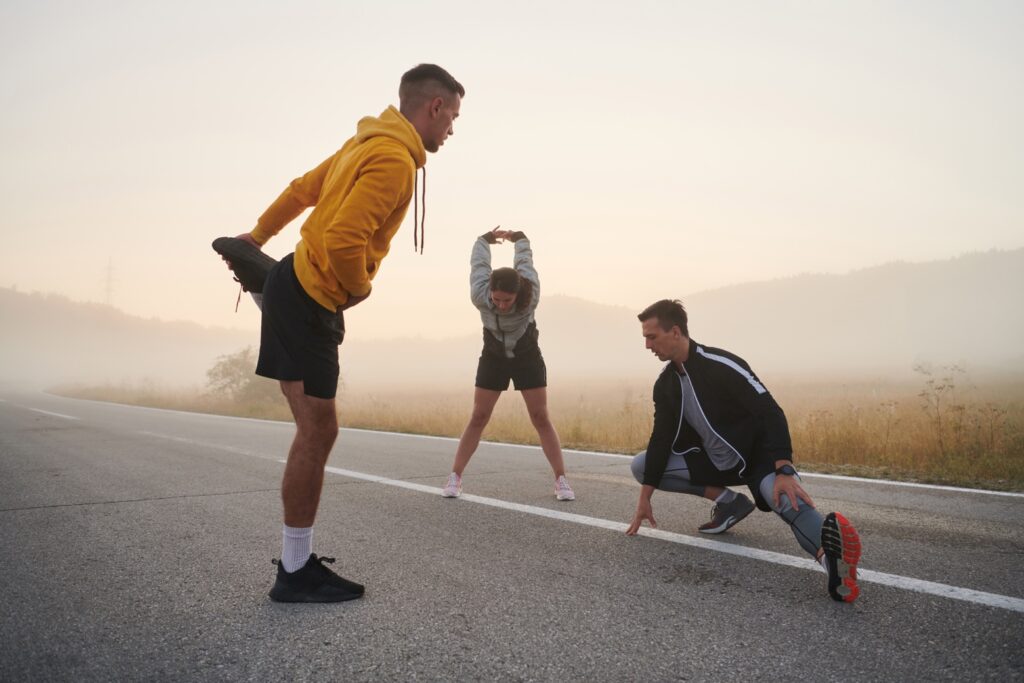
To reduce the risk of running injuries, adopting a proactive approach is essential. Below, we share a series of key strategies to lower the risk of injuries and stay active:
- Warm-up and cool-down: Starting each running session with a proper warm-up and ending with stretches helps prepare the muscles and joints for exercise and reduces the risk of injury.
- Wear appropriate footwear: Running shoes that provide support and cushioning are essential for protecting the feet and joints.
- Respect rest days: Rest is crucial for muscle recovery and preventing overuse injuries. Plan rest days into your training routine to allow the body sufficient time to recover.
- Strengthen muscles: Strengthening the muscles of the legs, glutes, back, and abdomen helps stabilise the joints, improving performance and reducing the risk of running injuries.
- Cross-training: Incorporating complementary activities, such as swimming or cycling, strengthens other muscle groups, preventing overuse of the joints and muscles used in running.
- Listen to your body: Pay attention to signals from your body, such as pain or fatigue, and adjust your training accordingly. Pushing the body beyond its limits can lead to injuries that become harder to treat.
Understanding common running injuries and how to prevent them is essential for enjoying a safe and long-lasting sporting practice. Good running technique, a balanced training plan, appropriate footwear, and attention to your body’s signals are key to minimising the risk of injury. Remember, prevention is the best strategy.
If you experience persistent pain or discomfort while running, don’t hesitate to consult the sports medicine specialists at HM Hospitals. Our team of professionals is here to help you diagnose and treat sports injuries, allowing you to return to physical activity safely and confidently.
Remember: This article is for informational purposes only and does not replace medical advice. If you have any concerns, consult a healthcare professional.